
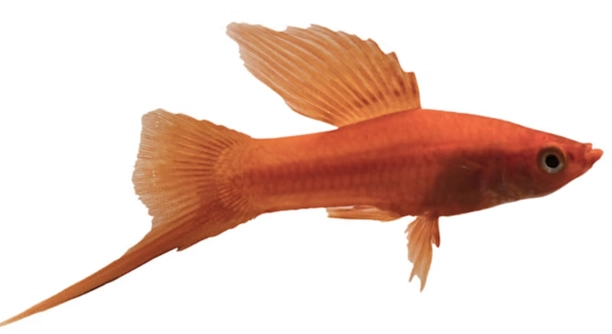
Swordtails are beautiful and hardy fish, but like all pets, they can sometimes fall ill. Knowing how to address common ailments can help ensure their well-being and keep your aquarium thriving.
There are several natural remedies that can effectively treat swordtail illnesses. These remedies often focus on improving water quality, boosting the fish’s immune system, and reducing stress. Natural treatments can be gentle yet effective when used correctly.
With the right care and remedies, you can help your swordtails recover and thrive. In this article, we’ll explore simple, natural methods to support their health and well-being.
1. Keep Your Tank Clean and Stable
Maintaining a clean and stable environment is the first step in preventing and treating swordtail illnesses. Poor water quality is often the root cause of many health problems. Regular water changes, cleaning the substrate, and ensuring proper filtration can go a long way. Test water parameters such as pH, ammonia, nitrites, and nitrates regularly to ensure they are in the appropriate range for swordtails. Swordtails thrive in temperatures between 72°F and 78°F, so maintaining a stable temperature is crucial. Make sure your tank isn’t overcrowded, as this can also increase the risk of diseases.
A stable environment reduces the stress that weakens your fish’s immune system. Water quality is key, and keeping it balanced ensures your fish can fight off infections naturally. Proper filtration and water changes make all the difference when it comes to healthy fish.
By keeping your tank clean and ensuring proper water quality, swordtails are more likely to resist common illnesses. Regular maintenance will reduce stress and improve their overall health, allowing them to thrive without frequent illness.
2. Provide a Balanced Diet
A healthy diet is essential for swordtails to fight off diseases. Offering a variety of foods helps boost their immune system and keeps them strong. Swordtails should be fed high-quality flakes, frozen or live foods like daphnia or brine shrimp, and occasional vegetable matter. Overfeeding can lead to health issues, so aim for a balanced feeding schedule and remove any uneaten food promptly.
Fish that are fed a balanced diet have stronger immune systems, making them more resilient to illnesses. Be mindful of their dietary needs, as inadequate nutrition can lead to weaker defenses and increased susceptibility to disease.
Feeding your swordtails properly ensures they are healthy and strong enough to resist common illnesses. A varied and balanced diet will help keep them in top condition, reducing the likelihood of future health issues.
3. Use Salt Baths for Healing
Salt baths are an effective natural remedy for many swordtail illnesses. The salt helps reduce stress, promotes healing, and can kill harmful bacteria on the skin. Dissolve aquarium salt in water and gently place your swordtail in the solution for about 5 to 10 minutes, monitoring for any signs of distress.
Make sure to use aquarium salt, not table salt, as it is designed specifically for fish and won’t harm your tank’s ecosystem. Salt baths should not be a long-term solution but can be helpful for short-term treatment. It’s important to use them sparingly.
Salt baths can aid in the recovery of your swordtail by reducing skin irritation and preventing infection. Always ensure the water temperature is suitable and never leave the fish in the bath for too long, as it may stress them out. With the right care, salt can help promote faster healing.
4. Introduce Natural Herbal Remedies
Herbal treatments can support swordtail health in a gentle, natural way. Plants like Indian almond leaves, garlic, and aloe vera are commonly used to boost fish immunity and soothe irritation. Indian almond leaves release tannins that help fight bacterial infections and promote healing.
Garlic is known to have antifungal properties and can be added to the diet or water to help fight internal parasites. Aloe vera can be used topically on external wounds. These natural remedies are safe and effective when used correctly, providing your swordtail with an extra layer of protection against illness.
Adding natural remedies like garlic, aloe vera, or Indian almond leaves to your swordtail’s tank can enhance their overall health. These plants and herbs act as natural disinfectants and promote a balanced, healthy environment. Used correctly, they can speed up recovery and prevent future illnesses.
5. Maintain Proper Tank Temperature
Maintaining the right water temperature is essential for swordtail health. A stable temperature range of 72°F to 78°F ensures that swordtails stay active and healthy. Fluctuations in temperature can cause stress and make them more susceptible to illness. Use a reliable heater to maintain consistency.
When the water temperature is too high or low, swordtails become stressed and their immune system weakens. Stress can lead to various illnesses, so keeping the temperature within the recommended range will prevent many common health issues. Regularly check your tank’s temperature to avoid sudden changes.
6. Quarantine New Fish Before Adding to the Tank
Quarantining new fish is an important practice to prevent introducing diseases into your tank. Keeping new swordtails in a separate quarantine tank for a few weeks ensures they are healthy before joining the main aquarium. This reduces the risk of spreading any potential infections.
Introducing new fish without quarantine can lead to the spread of parasites or bacteria to the rest of your fish. By isolating new arrivals, you give them time to show any signs of illness, which helps protect your current fish population from contamination.
FAQ
How do I know if my swordtail is sick?
Swordtails are generally hardy fish, but there are a few signs to watch for when they’re not feeling well. Look out for changes in behavior, such as swimming erratically, hiding more than usual, or having difficulty swimming. Physical signs include faded colors, clamped fins, bloating, or white spots on the body. If you notice any of these symptoms, it’s important to act quickly and address the potential illness.
What is the best way to treat a swordtail with swim bladder disease?
Swim bladder disease is often caused by constipation, bacterial infections, or water quality issues. To treat this, start by improving water conditions with regular changes and ensure the water temperature is stable. If constipation is suspected, feed the swordtail a blanched pea to help clear the digestive system. In more severe cases, you might need to use aquarium salt or antibiotics, but always consult a vet before using medications.
How often should I change the water in my swordtail tank?
Water changes are critical for maintaining swordtail health. Typically, 20-25% of the tank water should be changed once a week. This helps remove waste, control toxins, and maintain proper water quality. If your tank is heavily stocked, you might need to change the water more frequently. Always test the water after changes to ensure the parameters remain stable.
Can salt be harmful to swordtails?
Salt is beneficial for swordtail health when used correctly, but it can be harmful if overused. Aquarium salt can help treat certain illnesses and boost recovery, but too much salt can stress the fish and disrupt the delicate balance of the tank. Always follow recommended dosage instructions and avoid using salt for long periods.
What should I do if my swordtail has external parasites?
If you suspect external parasites such as ich or velvet, it’s important to act quickly. One effective treatment is raising the water temperature slightly, as many parasites cannot survive in higher temperatures. Adding aquarium salt to the tank may also help. If the issue persists, consider using a medication specifically designed for external parasites, following the instructions carefully.
Can swordtails recover from fin rot?
Yes, swordtails can recover from fin rot if caught early and treated properly. Start by improving the water quality, as fin rot is often a result of poor water conditions. Isolate the sick fish if necessary and add aquarium salt to help promote healing. In severe cases, antibiotics may be required, but always consult a professional before using them.
How can I prevent stress in my swordtails?
Swordtails are sensitive to stress, which can lead to illness. To prevent stress, keep the water temperature stable and maintain good water quality with regular changes. Avoid overcrowding the tank and provide plenty of hiding spots for the fish. Additionally, ensure they have a balanced diet and aren’t disturbed by sudden movements or loud noises.
Is it safe to use medications for swordtail illnesses?
Medications should be used cautiously, as they can have side effects or harm the beneficial bacteria in your tank. Always read the instructions carefully and only use medications when necessary. Sometimes, natural remedies like aquarium salt or herbal treatments are sufficient to address the issue. If the illness persists, consider consulting a vet who specializes in fish.
What is the best temperature for swordtails?
Swordtails thrive in a water temperature between 72°F and 78°F. Keeping the tank temperature stable within this range promotes overall health and prevents stress. Avoid sudden temperature fluctuations, as this can weaken your swordtail’s immune system and make them more prone to illness.
How do I treat internal parasites in swordtails?
Internal parasites are common in fish and can cause symptoms such as bloating or difficulty swimming. To treat internal parasites, you may need to use medicated food or add a specific parasite treatment to the water. Be sure to follow the recommended dosage to avoid harming your fish. Regular water changes and maintaining good water quality are also essential for helping swordtails recover.
Can swordtails get diseases from other fish?
Yes, swordtails can contract diseases from other fish, especially if they are introduced without proper quarantine. Many fish diseases are transferable between species, so it’s always a good idea to isolate new fish for a few weeks before introducing them to your main tank. Regularly check the health of all fish to prevent the spread of illness.
Final Thoughts
Taking care of swordtails involves more than just feeding them and keeping the tank clean. By paying attention to their environment, diet, and overall health, you can significantly reduce the risk of illness. Water quality is the most important factor; without it, even the best care won’t be enough. Regular maintenance, including water changes and monitoring water parameters, helps create a stable and healthy environment for swordtails. If they show signs of illness, quick action and natural remedies, like salt baths or herbal treatments, can often make a big difference.
Swordtails are resilient fish, but they can still fall prey to illnesses if conditions are not ideal. Stress is a major contributor to many health problems, so ensuring the tank is not overcrowded and that the temperature stays stable is essential. By providing a balanced diet with a variety of foods and keeping their tank conditions optimal, swordtails are more likely to stay healthy. Being proactive in managing potential problems will prevent many common issues and ensure your swordtails live long, happy lives.
If your swordtail becomes sick, don’t panic. Start by assessing the water quality and making sure everything is in balance. Many illnesses can be prevented or treated with simple, natural remedies. If the situation doesn’t improve, or if the illness worsens, consulting with a fish vet or expert can provide guidance. Swordtail care may seem overwhelming at times, but with a little effort, they can thrive in your tank.

Hello,
If you enjoy the content that we create, please consider saying a "Thank You!" by leaving a tip.
Every little bit helps us continue crafting quality advice that supports the health, happiness, and well-being of pets around the world, for pets of all shapes, sizes, and species.
We really appreciate the kindness and support that you show us!