
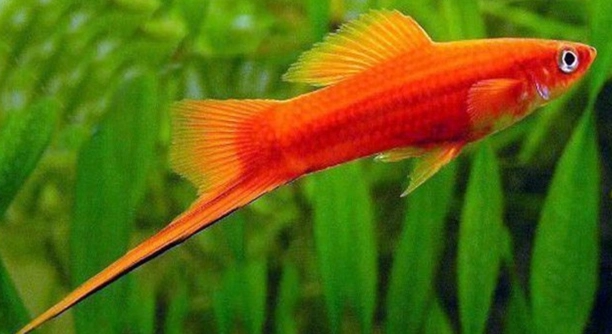
Swordtails are popular freshwater fish known for their vibrant colors and active nature. Many aquarium owners wonder about their behavior and abilities, including how well these fish can navigate in low-light conditions or darkness.
Swordtails, like many fish species, have limited ability to see in the dark. They rely more on their sense of touch and the movement of water to navigate when there is little light.
Understanding how swordtails manage low-light conditions can help ensure they live comfortably in their tanks. Their unique ways of sensing their environment are fascinating and may surprise many fish enthusiasts.
How Swordtails Navigate Without Perfect Vision
Swordtails have eyes that are adapted to seeing well in environments with moderate light, but their vision is limited in dark conditions. In low-light settings, these fish rely more on their other senses to get around. Swordtails are equipped with a lateral line system, which helps them detect vibrations in the water. This system is vital for them to sense nearby objects, prey, or even potential threats. Their ability to detect changes in water movement compensates for their lack of detailed vision when it’s dark. In well-lit environments, their vision is adequate to navigate and spot food, but in darkness, this system takes over.
Their reliance on vibration and water flow is not unusual for fish. Most species use a similar technique to navigate in the wild. Swordtails, however, have adapted this system to their advantage, especially in their native environments, where light can be scarce at times.
This adaptation helps them thrive in their natural habitats and in aquariums with lower lighting. By using their senses other than sight, swordtails are able to function even in challenging conditions.
Light Conditions and Swordtail Behavior
Swordtails are more active in well-lit conditions.
When light is dim, swordtails often reduce their activity. They become less active and tend to hide more, likely because they can’t rely on their vision as much. This shift in behavior helps them avoid potential dangers and find a safe spot to rest until the lighting improves. In a well-lit aquarium, they are typically swimming around, interacting with the environment and other fish. Understanding their light sensitivity can help aquarium owners create a suitable environment for them.
Swordtails and Their Sensory Adaptations
Swordtails rely on their lateral line system for navigation in low-light environments. This sensory adaptation allows them to detect vibrations in the water, helping them move around and sense nearby objects, food, or threats. It compensates for the lack of vision in dark conditions, ensuring they can still function.
In dark settings, the lateral line system becomes the primary method for detecting changes in the water around them. The small sensory cells along the fish’s body pick up on vibrations, enabling swordtails to detect movement, such as the approach of a predator or the presence of prey. This system is extremely sensitive and helps them navigate even when sight isn’t possible.
Swordtails’ reliance on their lateral line system makes them less dependent on light for survival. This ability is essential for their daily routines, whether in the wild or in aquariums. It ensures that they can find food, avoid danger, and maintain a sense of awareness even when light conditions are poor.
Swordtail Tank Conditions
To keep swordtails comfortable, their tank should mimic their natural habitat as closely as possible.
While swordtails do well in moderate lighting, it’s important not to keep the tank too dark. Providing a balance of light and shade will help them feel secure and active. Plants, rocks, and tank decor can create areas of shade where swordtails can hide if they feel the need. Keeping the water clear and well-oxygenated helps maintain the lateral line’s effectiveness, allowing them to use their senses properly.
A tank with too little light can make swordtails feel stressed and inactive. A good lighting setup, such as low to moderate-intensity aquarium lights, encourages healthy behavior. Additionally, swordtails prefer a slightly warmer temperature, around 72°F to 78°F, which enhances their comfort and sensory capabilities. Proper filtration is also essential, as clear water makes it easier for swordtails to use their lateral line system without distraction. When these factors are taken into consideration, swordtails can thrive in a home aquarium.
Swordtail Vision vs. Other Fish Species
Swordtails’ vision is limited in dark environments compared to some other fish.
Unlike certain species that rely more heavily on their vision, swordtails use other senses to compensate. This makes them less dependent on sight, especially in low-light or dark conditions. Their sensory systems are well-suited for navigating these environments.
For comparison, many species of fish, like catfish, have specialized vision for dark conditions, often due to their habitat. Swordtails, however, are adapted for brighter environments and use their lateral line system to navigate when vision fails. This adaptation helps them thrive where lighting fluctuates.
Maintaining Healthy Swordtail Senses
Providing the right environment enhances swordtails’ ability to use their senses.
For swordtails to thrive, it’s important to maintain clean water and a balanced light cycle. Too much light can stress them, while too little can limit their ability to navigate. A well-oxygenated, stable tank is key for optimal sensory function. Regular maintenance helps swordtails feel secure.
Why Swordtails Rely on Touch and Movement
Swordtails’ reliance on touch and movement in low light is crucial for survival.
In dark or murky waters, swordtails sense vibrations through their lateral line, making it essential for avoiding obstacles, detecting food, and even communicating with other fish. Without this ability, their survival would be much more challenging in their natural habitats.
FAQ
Can swordtails see in complete darkness?
Swordtails cannot see in complete darkness. Like many fish, they have limited vision in low-light conditions. Their eyes are adapted to function in moderately lit environments, and in complete darkness, they rely on their lateral line system to detect vibrations in the water, which helps them navigate and sense nearby objects.
How well do swordtails see in low-light environments?
Swordtails can see well in low-light environments, but their vision isn’t as sharp as in brighter conditions. In dim settings, they can still detect movement, but their sight is limited compared to species specifically adapted for darker habitats. They depend on their sense of touch and water vibrations to navigate better.
Do swordtails need light to survive?
Swordtails do not require constant light to survive, but a balanced light cycle is important for their health. Light helps them stay active and find food, but they also need periods of darkness to mimic their natural habitat and avoid stress. Too much or too little light can negatively impact their behavior and health.
How can I improve my swordtail’s vision in low light?
You can’t directly improve swordtail’s vision in low light, as it’s limited by their biology. However, ensuring they have a proper light cycle can help. Swordtails thrive in moderate light conditions, and providing a well-lit environment, balanced with shaded areas, will support their overall health and behavior.
Can swordtails recognize other fish in the tank?
Swordtails have limited visual recognition abilities but are capable of recognizing movement and basic shapes in their environment. They can likely identify other fish based on patterns of movement, but their ability to “recognize” them may be less advanced than in species with stronger vision. Their reliance on their lateral line system also aids in interactions with tank mates.
Are swordtails sensitive to water quality?
Yes, swordtails are quite sensitive to water quality. Poor water conditions can stress them out and affect their sensory abilities. Maintaining clean water, with regular water changes and good filtration, is important for their overall health. If the water becomes cloudy or contains toxins, it can impair their ability to navigate and sense their environment.
How do swordtails use their lateral line system?
Swordtails use their lateral line system to detect vibrations and water movement. This system allows them to “feel” their environment, helping them locate prey, sense changes in water flow, and avoid predators, especially in low-light conditions. It’s like a sixth sense, enabling them to survive and thrive in murky waters or at night.
Do swordtails have a good sense of hearing?
Swordtails don’t have ears like humans, but their lateral line system helps them detect vibrations, which includes sounds. While they may not “hear” in the traditional sense, they can sense pressure changes and movements in the water caused by sounds. This helps them avoid danger or find food.
Why do swordtails hide in the dark?
Swordtails tend to hide in the dark because they feel more secure in low-light conditions, where their vision isn’t as useful. It’s a natural survival tactic. In their native habitats, swordtails would seek shelter in murky waters or places with reduced light to avoid predators. In an aquarium, they may hide when they feel stressed or unsure about their environment.
Do swordtails prefer dark or light environments?
Swordtails generally prefer moderate light. They thrive in environments that mimic natural lighting conditions, where they can swim actively and feel secure. However, they can tolerate periods of darkness. Too much bright light can stress them, while too little can leave them feeling insecure and inactive.
What happens if a swordtail is kept in the dark for too long?
If a swordtail is kept in the dark for too long, it may become stressed and inactive. This is because, while they can use their other senses, they rely on some level of light for navigation, feeding, and social interaction. Prolonged darkness can disrupt their normal behavior, affecting their appetite and overall well-being.
Do swordtails need to be kept with other fish?
Swordtails are social fish and generally prefer being kept in groups with other swordtails or peaceful fish. They do not necessarily need other fish to survive, but they benefit from the social interaction and will be more active and healthy in a community tank. Keeping them with compatible tank mates reduces stress and encourages natural behavior.
Can swordtails adapt to low-light conditions over time?
Swordtails may adapt somewhat to low-light conditions, but their vision will still be limited in dark environments. They rely more on their lateral line system in these conditions, and their behavior may change, with them becoming more passive or hiding. However, if the low light is prolonged, it can impact their health and well-being.
How does the environment affect swordtail behavior?
The environment has a significant impact on swordtail behavior. Water quality, light levels, and tank decor all influence how they act. A well-lit tank with hiding places encourages natural behavior, while poor water quality or constant darkness can stress them out. Maintaining an appropriate environment helps swordtails feel safe and comfortable.
Do swordtails use their vision to find food?
Yes, swordtails use their vision to find food, especially in well-lit conditions. They can spot food and other fish based on movement and color. However, in low-light situations, they rely more on their lateral line to sense the movement of food and other fish, which helps them find nourishment.
Can swordtails be trained to respond to light?
Swordtails do not have a strong ability to be trained like some other animals. They may learn to associate certain lighting patterns with feeding time, but they are not as trainable as some other species. Swordtails rely more on instinct and their sensory systems than on learned behaviors.
Final Thoughts
Swordtails are fascinating fish with unique abilities that help them thrive in their environment. While they do have vision, it’s not as reliable in low-light or dark conditions. Instead, they rely heavily on their lateral line system to navigate, detect food, and avoid predators. This sensory system allows them to sense vibrations and changes in water flow, compensating for their limited sight. Swordtails are well adapted to their environment, using these natural abilities to live comfortably in both their natural habitats and aquariums with less light.
For aquarium owners, understanding swordtails’ sensory needs is key to creating a suitable tank environment. These fish do best in moderately lit tanks with areas of shade where they can hide if needed. Ensuring the water quality remains clean and properly filtered is also important, as it helps them use their lateral line system effectively. A well-maintained tank, with balanced light, good water conditions, and plenty of space, will help swordtails feel comfortable and stay healthy.
While swordtails may not be able to see in complete darkness, their ability to sense their surroundings through vibrations in the water makes them resilient creatures. With proper care and attention to their environmental needs, swordtails can thrive and continue to bring color and movement to your aquarium. Understanding their behavior, especially in low-light conditions, helps ensure they are provided with the best possible care. By creating the right environment, you can support their natural instincts and keep them healthy and happy for years to come.

Hello,
If you enjoy the content that we create, please consider saying a "Thank You!" by leaving a tip.
Every little bit helps us continue crafting quality advice that supports the health, happiness, and well-being of pets around the world, for pets of all shapes, sizes, and species.
We really appreciate the kindness and support that you show us!