
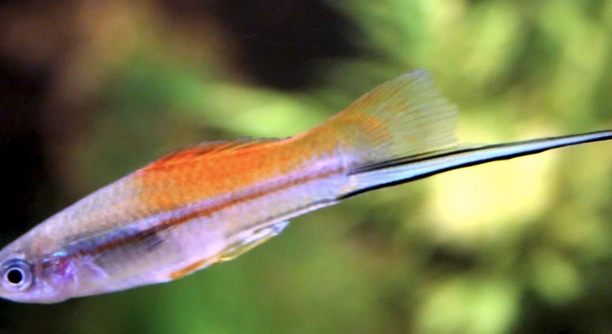
Swordtails are popular aquarium fish, known for their vibrant colors and active personalities. If you keep them as pets, you may have noticed their quick reactions to movement. It’s interesting to wonder just how sensitive they are to sudden changes in their environment.
Swordtails are capable of sensing sudden movements due to their well-developed visual and sensory systems. They rely on their eyes and lateral line system to detect vibrations in the water, allowing them to respond quickly to any movement.
Their sensitivity to sudden movements helps them stay alert to potential threats. This ability is essential for their survival in the wild, as it allows them to avoid predators and navigate their environment more effectively.
How Swordtails Detect Sudden Movements
Swordtails have sharp instincts when it comes to detecting sudden movements. These fish are equipped with a lateral line system that can pick up vibrations in the water. This system helps them sense even the smallest disturbances around them, alerting them to potential danger or changes in their environment. In addition to their lateral line, their keen eyesight also plays a crucial role. Swordtails are particularly sensitive to any quick or sudden motion, whether it’s caused by an approaching predator or the movement of something in their tank. This ability allows them to react quickly, darting away from potential threats or adjusting their position to maintain a sense of safety. Understanding how swordtails detect movement can help aquarium owners create a more comfortable, less stressful environment for them.
It’s not just the visual cues that help swordtails react quickly. The vibrations they sense are crucial to how they move. Their bodies can process these signals in a fraction of a second.
In their natural habitat, swordtails use these responses to stay safe from predators. In an aquarium, this same ability is helpful for avoiding obstacles or stressors like a sudden movement of hands or other animals. Swordtails are always aware of their surroundings, and their reactions can be observed when something unexpected occurs, such as a change in lighting or sudden tank disturbances. These behaviors show just how much they rely on their senses to navigate both the tank and any outside dangers. It’s a survival mechanism that is present even in the relatively controlled environment of an aquarium.
The Impact of Movement on Swordtail Behavior
Sudden movements in an aquarium can significantly affect swordtail behavior. Swordtails, like many other fish, tend to become more cautious or even stressed when they detect something out of the ordinary. The instinct to flee or hide becomes stronger when these fish sense danger. This heightened reaction may result in erratic swimming patterns or them darting into hiding spots. In some cases, repeated sudden movements can lead to long-term stress, which may affect their health and well-being.
A calm and predictable environment is best for swordtails. By minimizing sudden movements, you can help keep them calm and reduce the stress they experience. Over time, this will improve their overall health and happiness.
Swordtail Response to Environmental Changes
Swordtails react to more than just sudden movements; they’re sensitive to changes in their environment, such as water temperature or light. These fish have a strong connection to their surroundings and can often sense shifts even before they are fully visible to the human eye.
When the water temperature shifts or the lighting changes suddenly, swordtails may become more alert. Their natural instincts push them to respond to these shifts, sometimes with rapid movements or hiding. This heightened awareness helps them stay safe, as changes in their environment could signal potential danger. Even small fluctuations can trigger changes in their behavior, leading to an increase in swimming speed or more cautious movements.
Aquarium owners can reduce stress for swordtails by maintaining stable water conditions and avoiding sudden alterations. Keeping the tank’s temperature and lighting consistent can create a calmer environment for them, reducing the chances of stress-related behaviors. This leads to healthier fish that are less prone to illness and discomfort.
How Movement Affects Swordtail Health
Frequent, sudden movements can cause more than just temporary stress for swordtails. Over time, the constant alertness and anxiety can lead to physical health problems. Stress in fish can weaken their immune systems, making them more susceptible to diseases.
Swordtails may begin to show signs of stress, such as erratic swimming, loss of appetite, or even fading colors. This is an indication that they are under distress. Prolonged exposure to such conditions can result in lower lifespans, making it essential to minimize the amount of sudden movement in their environment.
Maintaining a calm, steady tank with gentle water flow and less frequent interaction with their space allows swordtails to live more peacefully. When they feel safe and secure, their bodies can focus on normal behaviors like feeding and socializing, rather than remaining in a state of constant alertness. This ensures that their overall health is maintained.
Swordtail Social Behavior and Movement Sensitivity
Swordtails are social creatures, often found swimming in groups. However, their sensitivity to movement also affects how they interact with one another. Sudden changes can disrupt their social dynamics, causing them to scatter or avoid each other temporarily.
Their quick responses are not only due to fear but also a natural part of their social behavior. Swordtails rely on the comfort of their group, and when something feels off, their instinct is to flee or hide. A sudden movement in their environment can make them lose sight of their companions, leading to confusion.
Creating a Calm Tank Environment
A calm environment benefits swordtails in more ways than one. When there is minimal disruption, they can focus more on their social interactions and natural activities like feeding or swimming freely. Stable tank conditions reduce stress and foster a healthier living space.
By controlling water parameters, limiting sudden movements, and ensuring proper tank setup, swordtails can thrive and feel secure. A predictable, quiet environment allows them to feel less threatened and more comfortable in their home.
FAQ
Can swordtails detect vibrations in the water?
Yes, swordtails can detect vibrations through their lateral line system. This system runs along their bodies and can pick up even the smallest movements or changes in the water around them. It helps them sense predators or obstacles, giving them a better chance to react quickly.
Do swordtails react to sounds in the tank?
Swordtails do not have ears like humans, so they don’t “hear” sound in the traditional sense. However, they can sense vibrations in the water caused by sound waves. These vibrations travel through the water, and the swordtail’s lateral line picks them up, helping them detect movement or changes in their environment.
How can I reduce stress for my swordtails?
To reduce stress, it’s important to maintain a stable tank environment. Keep the water temperature consistent, avoid sudden changes in light or water flow, and try to limit the amount of noise or movement around the tank. Swordtails will feel safer and more comfortable in a calm, predictable space.
What are signs of stress in swordtails?
When stressed, swordtails may swim erratically, dart around the tank, or hide more often. They may also lose their appetite, showing less interest in food. Their colors can fade, and they might appear less active. If you notice these signs, it’s a good idea to check the tank’s environment and see if anything might be causing the stress.
Can swordtails live with other fish in the same tank?
Yes, swordtails are generally peaceful and can live with other fish in a community tank. They do best with other non-aggressive species. However, they can become stressed if there is a lot of movement or if tankmates are overly aggressive. Make sure the other fish are compatible with swordtails for the best result.
Do swordtails need a lot of space to swim?
Swordtails are active swimmers and need enough space to move freely. A 20-gallon tank is generally a good size for a small group of swordtails. If the tank is too small or crowded, they may become stressed or show signs of aggression. The more space they have, the happier and healthier they will be.
How do swordtails sense danger?
Swordtails can sense danger through their vision and lateral line system. They detect movement, vibrations, or changes in water flow that might signal the presence of a predator. Once they sense danger, they may swim quickly to seek cover or dart to a different part of the tank.
Do swordtails have any special vision abilities?
Yes, swordtails have excellent vision, which helps them detect movements and changes in their environment. They can see in a wide range of light conditions, and their eyes are adapted to spot potential threats from a distance. Their sharp vision complements their lateral line system, making them very aware of their surroundings.
Can I calm swordtails with music or sound?
While swordtails are sensitive to vibrations, using music or sound to calm them may not have the desired effect. Most fish, including swordtails, don’t respond to music like humans do. It’s better to focus on providing a calm, stable environment with consistent water conditions rather than trying to soothe them with sound.
How long can swordtails live in a stable environment?
Swordtails can live up to 3-5 years if kept in a stable environment. Consistent water quality, the right temperature, and minimal stress are key factors in their lifespan. A well-maintained tank with good filtration and proper care will help them live out their full life expectancy.
Do swordtails need regular feeding to feel secure?
Yes, regular feeding is important for swordtails. Consistent feeding times help them feel more secure and establish a routine. Swordtails are active and need energy from food to maintain their health. Overfeeding, however, should be avoided, as it can lead to water quality issues and health problems.
Do swordtails prefer certain water conditions?
Swordtails prefer slightly alkaline water with a pH of around 7.0 to 8.0. The water temperature should be kept between 72°F and 82°F (22°C to 28°C). They also prefer moderately soft to hard water. Keeping the water parameters stable and within their ideal range will help swordtails thrive in the tank.
How can I prevent swordtails from being stressed by tank mates?
To prevent stress from tank mates, choose peaceful fish species that won’t compete aggressively for food or territory. Swordtails do well with other calm fish like guppies or tetras. Avoid pairing them with fin-nippers or overly aggressive fish. This will help maintain a peaceful and stress-free environment.
What is the best way to observe swordtail behavior?
The best way to observe swordtail behavior is by maintaining a quiet and calm environment around the tank. Avoid tapping on the glass or making sudden movements near the tank, as this could stress the fish. Regular observation during feeding times or when they’re relaxed will give you a good understanding of their behavior.
Can swordtails be trained to recognize their owners?
Swordtails are not as likely to form bonds with their owners in the same way some other pets might. However, they can become familiar with their feeding routine and may begin to associate you with food. Over time, they may approach you when you approach the tank, especially if they expect to be fed.
Are swordtails affected by the presence of other pets?
Yes, swordtails can be affected by the presence of other pets, especially if those pets are noisy or create vibrations around the tank. Cats or dogs nearby might cause swordtails to become stressed due to the sounds and movement they create. It’s best to place the tank in a quiet area to avoid unnecessary stress on the fish.
Do swordtails communicate with each other?
Yes, swordtails communicate with each other using body language and sometimes subtle movements. They might display aggressive behavior or courtship displays depending on the situation. These interactions help them establish social hierarchies or attract mates. Their sensitivity to movement also plays a role in these social exchanges.
How can I reduce the chance of stress in swordtails when cleaning the tank?
To minimize stress when cleaning the tank, try to move slowly and avoid startling the fish. Clean the tank during a time when the swordtails are less active, and try not to remove too much water at once. It’s also helpful to perform smaller, more frequent water changes rather than one large cleaning session.
Final Thoughts
Swordtails are sensitive creatures, and their ability to detect sudden movement plays a big role in how they interact with their environment. They use both their vision and lateral line system to sense changes, whether it’s from a predator or a change in water conditions. This sensitivity helps them stay alert and react quickly, which is essential for their survival. In an aquarium setting, this means they can become stressed if there are too many sudden movements or changes in the tank. Keeping their environment stable and calm is important for their health and well-being.
Providing swordtails with a peaceful tank is key to reducing stress and promoting good health. A stable water temperature, consistent lighting, and a clean tank all contribute to a more comfortable environment. Swordtails thrive when they feel safe, and this sense of safety comes from predictability in their surroundings. Avoiding sudden changes, whether it’s in water conditions or external movements, can help reduce anxiety for these fish. Regular care and attention to the tank environment will allow swordtails to live happier and healthier lives.
Overall, swordtails are resilient fish, but their sensitivity to movement and environmental changes requires a careful and consistent approach from their owners. By maintaining a calm, stable tank, swordtail owners can ensure their fish are not under unnecessary stress. It’s easy to overlook the small details, like water temperature and sudden movements, but they play a big part in the overall well-being of these active and colorful fish. With the right care, swordtails can thrive, showing off their beautiful colors and lively behavior in a healthy and peaceful environment.

Hello,
If you enjoy the content that we create, please consider saying a "Thank You!" by leaving a tip.
Every little bit helps us continue crafting quality advice that supports the health, happiness, and well-being of pets around the world, for pets of all shapes, sizes, and species.
We really appreciate the kindness and support that you show us!