
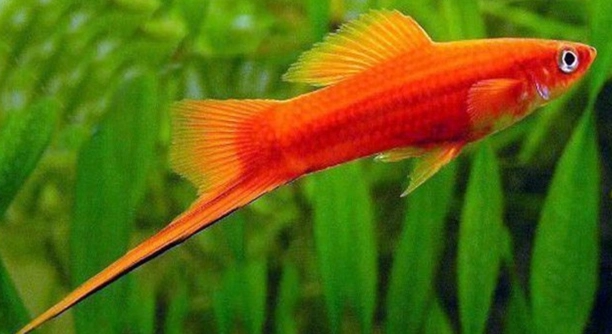
Many swordtail fish owners look for ways to enhance their pets’ health. A balanced aquarium environment and proper nutrition are essential. Including the right plants can also play a significant role in boosting their well-being.
Certain plants are known to promote swordtail health by providing hiding spots, oxygenation, and natural food sources. Plants like Java moss, hornwort, and Amazon sword offer benefits that help swordtails thrive in a healthy aquatic environment.
Adding plants to your tank can make a noticeable difference in your swordtails’ vitality and overall quality of life. Keep reading to learn which plants are best for their health and how to care for them.
Java Moss: A Simple, Effective Choice
Java moss is one of the easiest plants to care for, making it ideal for swordtail owners. This hardy plant thrives in a variety of water conditions and can grow in both low and high lighting. Swordtails will enjoy hiding within the moss, which offers shelter and a place to rest. Additionally, Java moss helps maintain water quality by absorbing excess nutrients, keeping the tank environment cleaner and healthier. The plant’s fine texture also provides a surface for biofilm growth, which swordtails may nibble on for extra nutrients.
Java moss does not require frequent trimming, making it a low-maintenance choice. Simply place it in areas where your swordtails like to swim or hide, and it will flourish with minimal effort. Over time, it will grow and spread, creating a lush, green backdrop for your fish. This plant can be easily attached to rocks or driftwood, which makes it versatile in any tank setup.
Swordtails naturally thrive in environments where they can find shelter. By adding Java moss, you provide them with a more enriching and comfortable habitat, helping improve their overall health.
Hornwort: A Fast-Growing Option
Hornwort is another great plant for swordtail tanks. Its rapid growth allows it to provide ample cover, improving the tank’s oxygenation levels. Swordtails enjoy swimming through its dense foliage, making it an excellent addition to their environment.
Hornwort thrives in both floating and rooted forms, giving you flexibility when setting up your aquarium. It grows quickly, which helps with water filtration, making it a great plant for tanks that may need extra assistance in maintaining water quality. Its dense structure provides a secure place for swordtails to hide and rest, helping them feel safe.
This plant can also serve as a food source, as it encourages the growth of biofilm and microscopic organisms that swordtails can graze on. By keeping the plant trimmed, it ensures healthy growth and maximum benefits for both your tank and fish.
Amazon Sword: A Staple for Your Swordtail Tank
The Amazon sword is a popular plant that can significantly enhance the well-being of your swordtails. With broad leaves and a deep root system, it provides a natural habitat for swordtails to explore. This plant helps oxygenate the water, offering a healthier environment for your fish. It thrives in medium to high light and needs regular care, including occasional trimming.
Amazon sword plants also aid in water filtration by absorbing excess nutrients, preventing algae overgrowth. It’s best to plant them in nutrient-rich substrates to ensure optimal growth. They can grow quite large, making them perfect for larger tanks or tanks with other plants. Swordtails tend to enjoy the shade under these large plants, which also offer hiding spots for added security.
Adding Amazon swords to your tank will give your swordtails ample space to swim and explore. The plant’s wide leaves provide shade, which can help reduce stress for the fish. With proper care, it will also last long, providing a lasting benefit to your swordtail’s health.
Anubias: The Low-Maintenance Hero
Anubias is another great plant for swordtail tanks, especially for those looking for minimal care. It thrives in low to moderate light and can be attached to rocks or driftwood. Its slow growth makes it an ideal plant for a more controlled aquarium.
Anubias is resilient and requires little attention to grow. It doesn’t need to be planted in the substrate, making it easier to position in your tank. The plant’s thick, leathery leaves provide excellent cover and hiding spots for swordtails. Its natural growth pattern allows it to blend seamlessly into any tank setup, offering both aesthetic and functional benefits.
Swordtails enjoy resting under Anubias leaves, where they feel protected. The plant also helps with water filtration by absorbing excess nutrients. Its low maintenance and ability to survive in various conditions make it a reliable choice for any aquarium. With minimal effort, you’ll have a thriving, healthy environment for your swordtails.
Duckweed: A Tiny Powerhouse
Duckweed may be small, but it can offer many benefits to your swordtail tank. This floating plant grows quickly, helping to absorb excess nutrients and keep the water clean. It also provides shade and surface cover, which swordtails appreciate.
Due to its rapid growth, duckweed helps combat algae buildup by limiting the amount of light that reaches the water’s surface. This plant doesn’t need to be rooted in substrate, making it easy to float freely across your tank. While duckweed may need occasional thinning, it’s a great addition for maintaining water quality.
In addition to its water-purifying capabilities, duckweed offers a surface for swordtails to rest and graze. The tiny floating leaves encourage the growth of biofilm, which serves as a supplemental food source. When used alongside other plants, duckweed will help create a healthier, balanced environment for your fish.
Water Sprite: A Flourishing Addition
Water sprite is a fast-growing plant that offers swordtails plenty of cover. It thrives in a range of water conditions and provides oxygenation, helping improve the overall tank environment. Swordtails enjoy swimming through its delicate, lacy leaves, which create a natural and stress-free environment.
This plant’s rapid growth helps keep the water clear by absorbing excess nutrients. It grows quickly, so it can easily outcompete algae for space and light. While it’s not difficult to maintain, regular pruning is necessary to prevent it from overwhelming the tank. It’s best to plant it in nutrient-rich soil for optimal growth.
Water sprite can also act as a natural food source for swordtails. The plant encourages the growth of biofilm, which swordtails often graze on. Adding water sprite to your tank will help improve the water quality while providing your fish with the shelter they need.
Marimo Moss Balls: Tiny but Mighty
Marimo moss balls are unique, easy-to-care-for plants that provide swordtails with hiding spaces. Their round, velvety appearance adds a charming touch to your tank while benefiting water quality. Swordtails enjoy resting near these moss balls.
Marimo moss balls help absorb toxins from the water, acting as natural filters. They also promote water circulation as they slowly roll around the tank. These plants are particularly useful in smaller aquariums where other plants may not fit. Their simple care routine—just occasional rinsing—makes them a hassle-free addition to any setup.
Vallisneria: Long, Graceful Leaves
Vallisneria is an excellent plant to add height and structure to your tank. Its long, flowing leaves provide a perfect hiding place for swordtails. This plant thrives in various water conditions and can grow quite tall, creating a lush backdrop.
FAQ
What are the best plants for swordtail fish health?
The best plants for swordtail health are those that provide cover, oxygenation, and help maintain water quality. Java moss, hornwort, Amazon sword, and Anubias are all great options. These plants not only offer hiding spots but also contribute to a healthier tank environment by absorbing excess nutrients and providing a natural food source through biofilm growth.
Can swordtail fish live in a tank without plants?
While swordtails can survive in a tank without plants, their overall health and well-being will improve with the addition of live plants. Plants help maintain water quality, provide oxygen, and offer hiding spots, which reduce stress and promote natural behavior. A plant-free tank may require more frequent water changes and monitoring of water conditions.
How do plants help improve water quality in a swordtail tank?
Plants play a crucial role in improving water quality by absorbing excess nutrients, such as nitrates and phosphates, which can cause algae growth. They also help oxygenate the water, benefiting both the swordtails and other aquarium inhabitants. Additionally, plants can help stabilize the pH levels in the tank, creating a more balanced environment.
Do swordtails need live plants to be happy?
Swordtails do not absolutely need live plants to be happy, but they thrive in environments that mimic their natural habitat, which often includes plants. Live plants enhance their tank by offering hiding spots, reducing stress, and encouraging natural behaviors such as grazing. Plants also help with water quality, making the tank more comfortable for your fish.
How can I keep my plants healthy in a swordtail tank?
To keep your plants healthy, ensure they have the right lighting, nutrients, and water conditions. Some plants, like Java moss and Anubias, require low to moderate light, while others, like Amazon swords, need more intense lighting. Regularly trim plants to encourage growth and prevent them from becoming overgrown. Using a good substrate and adding a balanced fertilizer will also support healthy plant growth.
Are there any plants that are harmful to swordtail fish?
Generally, most aquarium plants are safe for swordtail fish. However, plants with sharp edges, such as certain types of Hygrophila, may cause injury if the swordtails swim into them. Additionally, plants that are treated with pesticides or chemicals should be avoided, as these can harm the fish. Always rinse plants thoroughly before introducing them to your tank to remove any harmful substances.
Can I use floating plants in a swordtail tank?
Floating plants like duckweed, water lettuce, and water sprite can be a great addition to a swordtail tank. These plants offer shade, reduce light penetration, and absorb excess nutrients, all of which help maintain a healthier tank. However, they can grow quickly and may need to be thinned periodically to prevent them from covering the surface entirely.
What lighting do swordtail plants need?
The lighting requirements for swordtail plants depend on the specific species. For low-maintenance plants like Java moss and Anubias, low to moderate light is sufficient. More demanding plants like Amazon swords require bright, full-spectrum lighting. It’s important to adjust your lighting based on the type of plants you have to ensure they thrive.
How often should I change the water in a tank with live plants?
In a tank with live plants, water changes should still be done regularly, but the frequency may be reduced compared to a plant-free tank. Aim for a 25-30% water change every 1-2 weeks. Plants help filter the water, but regular changes are still necessary to keep nutrient levels balanced and maintain optimal water quality.
Do swordtails need plants for breeding?
While plants are not strictly necessary for swordtail breeding, they can provide the perfect environment for successful reproduction. Plants offer cover for the fry to hide from adult fish, increasing their chances of survival. Additionally, plants provide a more natural setting, which encourages the swordtails to breed in the first place.
Can swordtails eat plants?
Swordtails are primarily omnivores, which means they may nibble on some plants in the tank, especially if they are low on other food sources. However, they generally prefer algae, biofilm, and other small organisms found on the plants rather than the plants themselves. Choosing hardy plants like Anubias or Java moss will help prevent excessive damage from grazing.
Are there any specific plant types swordtails prefer?
Swordtails tend to prefer plants with broad leaves, such as Amazon sword, that provide hiding spots and create natural territories. Plants with fine textures, like Java moss, are also appealing as they offer a place to hide and graze. Plants that mimic their natural habitat will be the most beneficial for their health and well-being.
How do I introduce new plants into my swordtail tank?
Before adding new plants, rinse them thoroughly to remove any pesticides, chemicals, or pests. Place them in areas of the tank where your swordtails can benefit from their presence, such as near the substrate or floating on the surface. Be mindful of how the plants interact with the water flow and lighting to ensure they thrive.
Can plants help swordtails with stress?
Yes, plants can significantly reduce stress in swordtails by providing hiding spots and creating a more natural environment. Swordtails are naturally curious and enjoy exploring their surroundings, so having plants in the tank encourages this behavior. Plants also create a more visually stimulating environment, which can keep your swordtails engaged and comfortable.
Should I trim my plants regularly?
Regular trimming of plants is important for maintaining a healthy and well-maintained aquarium. Overgrown plants can block light and reduce the growth of other plants. Trimming helps to keep the plants at a manageable size, preventing them from taking over the tank. It also encourages new growth and keeps the tank looking tidy.
Can I grow plants in a swordtail tank without a substrate?
Yes, many plants can grow in a swordtail tank without a substrate, especially those that can be attached to rocks or driftwood, such as Anubias or Java moss. Floating plants like duckweed or water sprite do not need substrate either. However, rooted plants like Amazon swords or Vallisneria typically require a nutrient-rich substrate to thrive.
Final Thoughts
When it comes to swordtail health, adding plants to their tank offers numerous benefits. Live plants create a more natural environment, helping swordtails feel secure and reducing stress. Plants provide hiding spots, which are essential for swordtails, especially when they are young or need some privacy. Having the right plants also improves the water quality by absorbing excess nutrients, which reduces the likelihood of algae growth. This leads to a cleaner and healthier aquarium overall. Plants, like Java moss or Anubias, also give swordtails opportunities to graze, which promotes their health and well-being. The benefits go beyond decoration; they are a crucial part of maintaining a thriving environment for swordtails.
It is important to choose the right plants based on your tank’s size and the swordtail’s specific needs. Some plants, such as Amazon sword or Vallisneria, grow tall and require space, while others, like Marimo moss balls or Water sprite, are better suited for smaller tanks. Consider the lighting and water conditions in your tank before choosing plants. Some plants need bright light, while others thrive in lower light. By selecting the appropriate plants, you create an environment that mimics the swordtail’s natural habitat, improving their chances for a long, healthy life. Regular maintenance of both plants and tank water quality ensures a balanced ecosystem, where swordtails can thrive.
Incorporating live plants into a swordtail tank is not only aesthetically pleasing but also supports the fish’s physical and mental health. Plants make the tank more visually appealing and create a more dynamic environment where swordtails can explore and behave naturally. The right combination of plants can help maintain a stable ecosystem, providing your swordtails with the conditions they need to stay happy and healthy. Whether you’re a beginner or an experienced aquarium keeper, adding plants is a simple and effective way to enhance the well-being of your swordtail fish.

Hello,
If you enjoy the content that we create, please consider saying a "Thank You!" by leaving a tip.
Every little bit helps us continue crafting quality advice that supports the health, happiness, and well-being of pets around the world, for pets of all shapes, sizes, and species.
We really appreciate the kindness and support that you show us!