
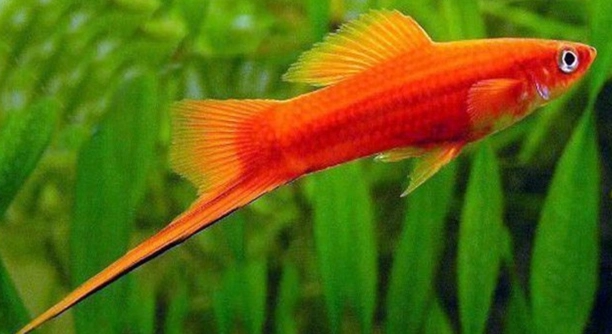
Swordtails are beautiful fish, but it can be alarming when you notice them floating upside down. Understanding the cause of this behavior can help keep your pet healthy and thriving in its aquarium environment.
Swordtails may float upside down due to issues such as swim bladder disease, water quality problems, or stress. These factors can cause buoyancy problems, disrupting the fish’s ability to maintain proper orientation. Immediate action is necessary.
By understanding the underlying causes, you can take steps to address the issue and ensure your swordtail’s well-being.
Understanding the Cause of Floating Upside Down
Swordtails are typically active and upright swimmers, so when they float upside down, it can be a sign of something wrong. One common cause is swim bladder disease, a condition that affects the fish’s ability to control its buoyancy. This disease can be caused by various factors such as overfeeding, injury, or infection. The swim bladder, responsible for regulating buoyancy, may malfunction and cause the swordtail to float uncontrollably, even upside down. While this is often seen in many species of fish, it is particularly concerning in swordtails.
When you spot this issue, check the water conditions immediately. Poor water quality, including incorrect pH levels, temperature, or high ammonia/nitrite levels, can stress your swordtail and affect its swimming abilities. Even slight imbalances can cause problems like floating upside down. To avoid this, ensure the tank is properly maintained, and the water is tested regularly to keep it at optimal levels.
Maintaining healthy water conditions is essential to preventing this issue. Regular tank cleaning, water changes, and proper filtration are key in keeping your swordtail safe and happy.
Swim Bladder Disease
Swim bladder disease can be caused by overfeeding, improper diet, or bacterial infections. It disrupts the buoyancy control in fish, making it difficult for them to swim upright. In severe cases, your swordtail might stay upside down or struggle to swim properly.
To treat swim bladder disease, it is recommended to adjust your swordtail’s diet and avoid overfeeding. You may also try fasting your fish for a few days to help reset its digestive system. If symptoms persist, consulting with a veterinarian who specializes in fish may be necessary to rule out any infections or other medical concerns.
Water Quality and Stress
Stress can be a major factor in your swordtail’s abnormal swimming behavior. Poor water quality can contribute to stress, affecting both the fish’s physical health and behavior. High levels of ammonia, nitrites, or an incorrect temperature can lead to your swordtail becoming weak and unable to swim properly.
Stress also weakens the immune system of the fish, making it more vulnerable to infections that can further impact its buoyancy. Ensuring a stable, clean environment with the right water parameters will help your swordtail thrive. It’s important to test the water regularly and adjust filters, lighting, and temperature accordingly.
Overfeeding and Diet
Overfeeding is a common cause of swim bladder issues. When a swordtail eats too much, it can develop digestive problems that affect its swim bladder. Undigested food in the gut can push on the swim bladder, causing buoyancy issues. Make sure to feed your swordtail only what it can consume within a few minutes.
A healthy diet for swordtails includes high-quality flakes or pellets, supplemented with live or frozen foods. Avoid feeding them too much, as excess food leads to bloating. It’s important to maintain a regular feeding schedule, offering small amounts to prevent overfeeding and digestive distress, which may cause upside-down swimming.
Injuries and Stress Factors
Physical injuries from sharp tank decorations or aggressive tankmates can cause your swordtail to float upside down. If your swordtail was involved in a scuffle or scratched on a decoration, internal damage could lead to buoyancy problems. These injuries can affect the fish’s ability to regulate buoyancy properly.
Stress caused by environmental factors such as overcrowding, aggressive tankmates, or sudden changes in temperature can weaken the swordtail’s immune system. This makes it more prone to infections or illnesses that affect the swim bladder. Minimizing stress and providing a stable, peaceful environment is essential for your swordtail’s health.
Water Temperature and pH Levels
Inconsistent water temperature can cause your swordtail to experience stress, leading to issues with buoyancy. Swordtails thrive in temperatures between 72-82°F (22-28°C). If the water is too hot or too cold, it can negatively affect their health, causing them to swim upside down.
Maintaining a steady water temperature is essential for the swordtail’s well-being. Invest in a reliable heater and thermometer to ensure the water stays within the optimal range. Also, check pH levels, which should be between 7.0 and 8.0 for healthy swordtails. Fluctuations in pH can contribute to stress and buoyancy problems.
Preventing Further Issues
To prevent further problems, regularly test the water and make adjustments as needed. Keep an eye on your swordtail for signs of distress or unusual behavior. If the issue persists despite improving water conditions and diet, a visit to an aquatic vet may be necessary to diagnose any underlying health concerns.
Tank Size and Overcrowding
Overcrowding can create stress for swordtails, leading to a host of problems, including difficulty swimming properly. It is important to provide enough space for each fish to move freely. A general rule is at least 10 gallons of water per swordtail.
FAQ
Why is my swordtail swimming upside down?
A swordtail swimming upside down is often a sign of swim bladder disease or poor water quality. Swim bladder disease is caused by factors such as overfeeding, infections, or injuries. The swim bladder, which helps the fish maintain buoyancy, may be damaged or malfunctioning. Poor water conditions, like incorrect temperature, pH, or high ammonia levels, can also stress your fish and cause abnormal swimming behavior. Regularly testing your water and monitoring your fish’s health can help prevent these issues.
How can I fix swim bladder disease in my swordtail?
To fix swim bladder disease, start by adjusting your swordtail’s diet. Reduce the amount of food given and try fasting for a few days. Afterward, offer easy-to-digest foods like boiled peas, which can help clear out any blockage in the digestive system. If overfeeding is the cause, ensure you feed only small amounts and remove any uneaten food from the tank.
Can stress cause my swordtail to float upside down?
Yes, stress is a significant factor that can cause swordtails to float upside down. Stress can result from overcrowding, aggressive tankmates, sudden changes in water temperature, or poor water quality. This stress weakens the fish’s immune system, making it more susceptible to infections that can affect the swim bladder. Keep your tank peaceful, maintain water conditions, and avoid overstocking to minimize stress on your swordtail.
What temperature should I keep the water for my swordtail?
Swordtails thrive in a water temperature range of 72-82°F (22-28°C). Temperatures outside of this range can cause stress and health problems for your fish, including issues with buoyancy and overall well-being. Use a reliable heater and thermometer to maintain a steady temperature within the ideal range.
How often should I clean the tank to prevent swimming issues?
To keep your swordtail healthy, clean the tank at least once a week. Regular water changes (about 25% of the tank’s water) help maintain good water quality. Use a good filtration system to remove waste and prevent toxic buildup. Always test water parameters like ammonia, nitrites, and nitrates to ensure they’re at safe levels.
Can my swordtail’s swimming behavior be caused by an injury?
Yes, injuries caused by sharp objects or aggressive tankmates can affect your swordtail’s swimming behavior. A physical injury might cause internal damage that disrupts the fish’s buoyancy. If your fish has visible wounds or signs of aggression from other fish, separate them from aggressive tankmates and allow them time to heal.
What should I do if my swordtail’s swim bladder issue doesn’t improve?
If your swordtail’s condition doesn’t improve after taking steps like adjusting its diet, fasting, or improving water quality, it may be time to consult a veterinarian specializing in fish. A professional can check for underlying issues such as infections or other illnesses that may require specific treatments. It’s important to address any ongoing health issues as soon as possible to prevent further complications.
How can I prevent my swordtail from floating upside down in the future?
Preventing floating upside down starts with maintaining good water quality. Test the water regularly for ammonia, nitrites, and pH. Ensure the water temperature is consistent and within the recommended range. Avoid overfeeding your swordtail, and provide a balanced diet. Keep the tank clean and avoid overcrowding, as these factors will help keep your swordtail healthy.
Can I treat swim bladder disease with medications?
While swim bladder disease can sometimes be treated with medications, it’s important to first rule out environmental factors like poor water quality. If swim bladder disease is caused by an infection, consult with a fish vet for the appropriate medication. Medications can help treat bacterial infections, but maintaining proper water conditions and diet is essential for long-term recovery.
Should I quarantine my swordtail if it’s floating upside down?
Yes, quarantining your swordtail is a good idea if it’s floating upside down, especially if you suspect it may be sick or suffering from swim bladder disease. Isolate the fish in a separate tank with optimal water conditions. This will help reduce stress and prevent the spread of potential diseases to other fish in the main tank. Monitor the fish closely for any signs of improvement or worsening.
Is it okay to feed my swordtail peas to help with swim bladder disease?
Yes, feeding your swordtail peas can help with swim bladder disease. Peas are easy to digest and can help clear out any blockages in the digestive system that may be affecting the swim bladder. Boil the peas and remove the skins before offering them to your swordtail. This is a gentle and natural way to help alleviate swim bladder issues.
Can overcrowding cause swim bladder problems?
Overcrowding is a common cause of stress in fish, including swordtails. When there are too many fish in a tank, it can lead to poor water quality, increased aggression, and higher levels of stress. Stress weakens the immune system, making the fish more prone to diseases like swim bladder problems. Ensure there is enough space for each fish to thrive and avoid overcrowding.
How long does it take for swim bladder disease to heal in a swordtail?
The healing time for swim bladder disease varies depending on the cause and severity. If the issue is related to overfeeding or constipation, it may improve in just a few days with dietary adjustments. However, if the condition is due to an infection or injury, recovery may take longer and require medication. Keep monitoring your swordtail’s behavior, and continue to provide optimal water conditions to help with recovery.
Final Thoughts
If your swordtail is floating upside down, it’s important to identify the root cause of the issue. Swim bladder problems are often caused by factors such as overfeeding, poor water quality, injuries, or stress. Addressing these factors promptly can help improve your fish’s condition and restore its normal swimming behavior. Regularly testing water parameters like temperature, pH, and ammonia levels is a simple way to ensure your swordtail’s environment is optimal. By maintaining a balanced diet and avoiding overcrowding, you can prevent many of the common issues that affect swordtails.
It’s crucial to understand that swordtails, like all fish, thrive in stable environments. If the water quality is poor or fluctuates, your swordtail will likely show signs of distress. Maintaining a clean tank, performing regular water changes, and keeping the water within the right temperature range are all essential for keeping your fish healthy. Monitoring your swordtail’s health and behavior daily can help catch any problems early. If the issue persists despite these efforts, a visit to a vet who specializes in fish can provide more detailed guidance and potential treatments.
Finally, it’s important to be patient while addressing any health issues your swordtail may face. Recovery can take time, especially if the problem is related to an internal condition like swim bladder disease or stress. By providing a calm, stress-free environment and ensuring your swordtail receives the right care, you’ll increase the chances of a successful recovery. Keeping a consistent feeding schedule and improving the overall tank conditions will help prevent future problems, leading to a happier, healthier swordtail.

Hello,
If you enjoy the content that we create, please consider saying a "Thank You!" by leaving a tip.
Every little bit helps us continue crafting quality advice that supports the health, happiness, and well-being of pets around the world, for pets of all shapes, sizes, and species.
We really appreciate the kindness and support that you show us!