
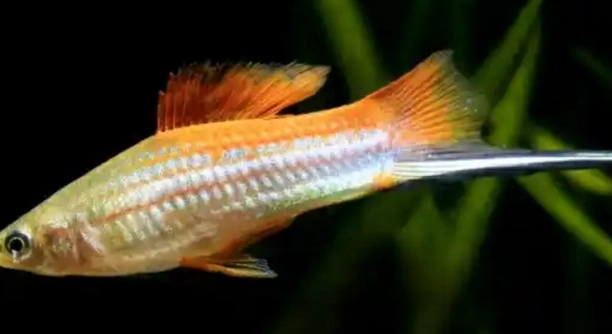
Swordtails are popular aquarium fish, known for their vibrant colors and active nature. If you’re a swordtail owner, you might be wondering whether they need bubblers or air pumps in their tank for optimal health.
Swordtails do not strictly require bubblers or air pumps, as they can thrive in a well-maintained tank with proper filtration. However, additional aeration can help maintain oxygen levels, especially in densely populated tanks or warm water setups.
Ensuring your swordtail’s tank has sufficient oxygen levels will support their well-being. Keep reading to learn about different ways to maintain a healthy, oxygen-rich environment for your fish.
Why Swordtails May Need Additional Aeration
Swordtails are active swimmers and enjoy tanks with good water circulation. In a well-maintained aquarium, the filtration system usually provides enough oxygen. However, if your tank is heavily stocked or you keep the water temperature higher, oxygen levels might drop, which can lead to stress for your swordtails.
The need for additional aeration depends on the conditions in your aquarium. A small tank with few fish generally doesn’t need a bubbler or air pump. But, if you have a larger tank, overcrowding, or an abundance of plants, oxygen levels may decrease. Overheated water can hold less oxygen, making it harder for fish to breathe.
In these cases, adding an air pump or bubbler can help maintain a healthy environment. These devices improve water movement, increasing oxygen levels and helping to distribute it evenly throughout the tank. The movement also prevents stagnant water, which can promote harmful bacteria growth.
How to Ensure Proper Oxygenation
Monitoring your swordtail’s environment regularly is crucial. Pay attention to water quality and temperature to ensure oxygen stays at healthy levels. Keeping your tank clean and using a reliable filtration system will also help.
If you notice your swordtails staying near the surface or breathing rapidly, it could be a sign that the oxygen levels are low. Adding aeration will make a noticeable difference.
When to Add an Air Pump or Bubbler
If your swordtail tank has a high fish density or warm water, additional aeration is a good idea. Low oxygen levels can stress the fish, leading to health problems. Watch for signs like rapid breathing or fish staying near the surface.
Adding a bubbler or air pump improves oxygen circulation in the tank, which is essential for the overall health of your swordtails. An air pump can also help reduce dead spots where water circulation is poor. These spots can become breeding grounds for harmful bacteria, affecting your swordtail’s well-being. With consistent oxygen flow, swordtails will be more active and stress-free.
While adding extra aeration can help, it’s important not to overdo it. Too much water movement can stress your fish, especially if they prefer calmer waters. Adjusting the flow to a level where it supports oxygen without creating too much turbulence is key. Keep an eye on their behavior to find the right balance.
The Best Aeration Options for Swordtails
When choosing an aeration device, you have several options. Air pumps, sponge filters, and bubblers are common choices. Each serves the same purpose but can differ in how they affect the tank’s environment.
Air pumps are the most straightforward option. They are affordable and easy to install, pushing air into the tank through tubing. A sponge filter is another great choice, especially for smaller tanks. It not only helps with aeration but also provides mechanical filtration, cleaning the water at the same time. Bubblers, on the other hand, are decorative and can create a calming visual effect with bubbles rising from the bottom. However, they do not provide as much water movement as air pumps or sponge filters.
Choosing the right option depends on the size of your tank and the fish species. For larger tanks, a strong air pump is ideal. For smaller tanks, sponge filters can handle both aeration and filtration, making them an efficient solution. Ensure the aeration device you choose matches the specific needs of your swordtails.
Signs That Your Swordtails Need More Oxygen
If you notice your swordtails are frequently swimming near the surface or gasping for air, it’s a clear sign that oxygen levels might be too low. These behaviors can indicate that the fish are struggling to breathe.
Rapid gill movement and unusual swimming patterns also point to oxygen deprivation. Swordtails are generally active, so if they seem sluggish or are spending more time at the top of the tank, it may be time to improve the water’s oxygen levels. Adding a bubbler or air pump will help solve this problem.
Benefits of Aeration for Swordtails
Aeration helps maintain the right oxygen levels in the tank, promoting healthy fish behavior and preventing stress. It also improves water circulation, reducing dead spots where harmful bacteria can grow. Swordtails benefit from cleaner water and stable conditions. Aeration also helps with better filtration by distributing water evenly, ensuring that the entire tank stays oxygenated.
Choosing the Right Flow for Your Tank
When deciding on the right aeration equipment, consider the flow rate. Too much flow can stress swordtails, while too little can leave oxygen levels low. Finding a balance that keeps the water oxygenated without creating turbulence is key for swordtail health.
FAQ
Do swordtails need an air pump?
Swordtails do not necessarily require an air pump, but adding one can be beneficial. If your tank is small or has few fish, the water might naturally have enough oxygen. However, in larger tanks or tanks with higher temperatures, extra aeration is useful to maintain proper oxygen levels. An air pump ensures that oxygen is distributed throughout the tank, helping to prevent stress on the fish.
Can a bubbler be used instead of an air pump?
Yes, a bubbler can be used as an alternative to an air pump. While a bubbler may not provide as strong of a water movement, it still helps with oxygenation by allowing air to rise through the water. A bubbler is especially effective in smaller tanks or when you want to add some visual appeal with rising bubbles. However, for tanks that need stronger aeration, an air pump may be the better choice.
What are the signs of low oxygen levels in a swordtail tank?
Signs of low oxygen include swordtails swimming near the water surface, gasping for air, or having rapid gill movement. Swordtails are generally active fish, so if they appear sluggish or spend excessive time near the top of the tank, it could indicate a lack of oxygen. This behavior can also result in increased stress, leading to health issues.
How often should I check the oxygen levels in my swordtail tank?
It’s a good practice to check the oxygen levels of your tank periodically, especially if you have a crowded aquarium or high water temperatures. For smaller or well-maintained tanks with a stable filter, you may not need to check oxygen levels as frequently. However, if you notice any unusual behavior in your swordtails, it’s a good idea to check. Test kits for dissolved oxygen can be purchased to monitor levels more accurately.
Can swordtails live without a filter and air pump?
Swordtails can survive without an air pump, especially if the tank is well-maintained and the water is oxygenated naturally. However, a filter is essential for keeping the tank clean and removing harmful substances. A filter helps maintain water quality and supports the overall health of your fish. While an air pump may not be a strict necessity in some cases, a good filtration system is vital.
Are sponge filters better than air pumps for swordtails?
Sponge filters are an excellent choice, especially for smaller tanks. They offer both filtration and aeration in one device. This can help improve water quality and provide oxygen to the tank, making them ideal for swordtails and other small fish. Sponge filters are quieter than air pumps, making them a good option for aquariums where noise is a concern. However, for larger tanks or tanks with more fish, a stronger air pump may be needed.
Do swordtails require high water movement?
Swordtails don’t require high water movement, but they do thrive in a tank with moderate circulation. Strong currents can stress swordtails, so it’s important to ensure that the water movement isn’t too intense. A light to moderate flow will help provide oxygenation and keep the water clean, which is important for their health.
How do I know if my swordtail tank is properly oxygenated?
If your swordtails are swimming actively and staying in the middle or bottom of the tank rather than staying near the surface, it’s a good indication that the oxygen levels are sufficient. Additionally, if the fish aren’t showing signs of stress, such as rapid breathing or lethargy, you can be confident that the oxygen levels are in a good range.
Can adding too much aeration harm swordtails?
Yes, excessive aeration can create strong currents that stress your swordtails. While aeration is important, it’s crucial not to overdo it. Swordtails prefer moderate water flow, so if the water is too turbulent, it can cause them to struggle or even lead to exhaustion. Monitor your fish and adjust the aeration devices to create a balanced environment that supports their natural behavior.
Should I use a heater along with the aeration system?
Using a heater in your swordtail tank is a good idea if you live in a cooler climate, as swordtails thrive in temperatures between 72°F and 82°F (22°C to 28°C). However, the heater should be set to the appropriate temperature for your fish. While a heater helps regulate the tank’s temperature, it’s important to remember that warmer water holds less oxygen. If using both a heater and an aeration system, monitor the water closely to ensure it stays oxygenated while maintaining the correct temperature.
Can swordtails live in a tank with low aeration?
Swordtails can live in a tank with low aeration, but their health may decline over time due to insufficient oxygen. In tanks with low aeration, oxygen levels can drop, causing stress and increasing the likelihood of disease. While they may initially survive, it’s best to ensure that the water is adequately oxygenated to support their overall well-being.
What is the best type of air pump for a swordtail tank?
The best air pump for a swordtail tank depends on the size of your aquarium and the number of fish. For smaller tanks, a low-flow air pump is sufficient. For larger tanks, opt for a more powerful air pump that can circulate oxygen effectively without causing too much turbulence. Ensure that the air pump you choose is suitable for the tank’s volume to avoid under or over-aerating.
Can I use a filter to provide aeration?
Yes, many filters come with built-in aeration, especially sponge filters. These filters push water through a sponge, which creates water movement and introduces oxygen. However, for larger tanks or tanks with many fish, additional aeration may be needed. A standard filter helps with water cleanliness, but if oxygen levels are low, a separate air pump or bubbler might be necessary.
Do swordtails need aeration in a planted tank?
In a planted tank, plants naturally contribute to oxygenation during the day through photosynthesis. However, at night, plants consume oxygen, and the tank may require additional aeration to maintain healthy oxygen levels. If your tank is heavily planted, monitor the fish’s behavior and consider adding aeration if necessary, especially during the night when plants aren’t producing oxygen.
Final Thoughts
When it comes to swordtails, providing the right oxygen levels is crucial for their health and well-being. While swordtails don’t necessarily require an air pump or bubbler to survive, these devices can make a big difference, especially in larger or heavily populated tanks. The key is understanding when additional aeration is needed. Signs like swimming near the surface, rapid gill movement, or lethargy indicate that your swordtails may need more oxygen. In these cases, adding an air pump or bubbler can help improve their quality of life by ensuring they have access to enough oxygen throughout the day and night.
Aeration also helps to improve water circulation and filtration. This not only benefits your swordtails but also helps maintain the tank’s overall water quality. Without adequate water movement, harmful substances like ammonia and nitrates can build up, putting additional stress on your fish. So, using an air pump or bubbler can help keep the water cleaner and prevent potential health issues. For tanks with a higher bioload or in warmer climates, a more powerful aeration system might be necessary to keep oxygen levels stable and promote a healthier environment for your swordtails.
Overall, the goal is to create a balanced environment where your swordtails feel comfortable and healthy. If your tank has proper filtration and oxygenation, your fish will thrive. While it’s possible for swordtails to live without air pumps or bubblers in certain conditions, adding one can enhance their environment, leading to happier, more active fish. Always monitor your swordtails for signs of stress and adjust your tank’s aeration as needed to ensure they remain in good health.

Hello,
If you enjoy the content that we create, please consider saying a "Thank You!" by leaving a tip.
Every little bit helps us continue crafting quality advice that supports the health, happiness, and well-being of pets around the world, for pets of all shapes, sizes, and species.
We really appreciate the kindness and support that you show us!