
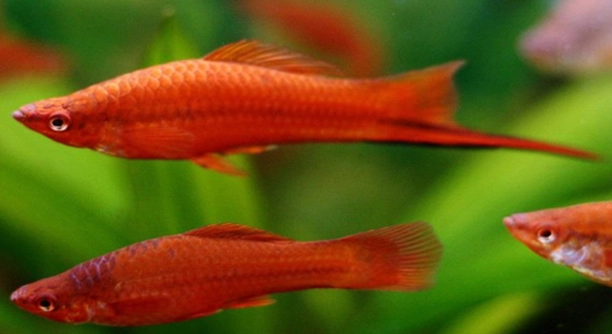
Sometimes, you may notice that your swordtail fish isn’t swimming as much as usual. This can be concerning for any aquarium owner. Understanding the possible reasons behind this behavior is important for ensuring your fish stays healthy and happy.
The main reasons your swordtail may not be moving much include stress, poor water conditions, illness, or insufficient space. Stressful environments, fluctuating water temperatures, or the presence of aggressive tankmates can make your fish more lethargic.
Learning about these factors will help you create a better environment for your swordtail and keep them active and thriving in their tank.
Stress and Its Impact on Your Swordtail
Stress can significantly affect your swordtail’s behavior and health. Fish are sensitive to changes in their environment, and even small shifts can cause them to become more passive. Factors like loud noises, sudden movements, or changes in the tank’s surroundings can lead to anxiety. Swordtails, in particular, may respond to stress by swimming less, hiding, or acting sluggish. Ensuring a calm and peaceful environment will help reduce their stress levels and keep them active.
The right conditions and a peaceful atmosphere are crucial to their well-being. By creating a comfortable habitat, you will see your swordtail regain its energy.
To reduce stress in your swordtail’s tank, consider limiting sudden changes in lighting and water temperature. A consistent and stable environment encourages active and healthy fish. Make sure to provide plenty of hiding spots and peaceful tankmates to avoid aggression. Proper care will help your swordtail feel secure and active again.
Water Conditions Matter
Water conditions play a vital role in the health of your swordtail.
The ideal water temperature for swordtails is between 72°F and 78°F. If the water is too warm or cold, they may become sluggish. Additionally, regular water changes are essential to maintain a healthy tank. High levels of ammonia or nitrites can harm your fish, causing them to become lethargic.
Illness or Disease
If your swordtail is sick, it can lead to reduced movement.
Common illnesses like fin rot or swim bladder disorder can make your swordtail lethargic. Symptoms of illness include faded colors, swelling, or abnormal swimming patterns. It’s important to act quickly if you notice these signs. Isolating the sick fish in a separate tank can help prevent the spread of disease to others.
Many diseases can be treated with proper medication and water changes. If your swordtail is showing signs of illness, checking the water quality and monitoring the fish closely is essential. Consult a veterinarian for specific treatments based on the symptoms your fish is displaying.
Lack of Space
A crowded tank can lead to stress and a lack of movement.
Swordtails need enough space to swim freely, and a cramped environment may cause them to become inactive. Overcrowding can also lead to more aggression among fish, making your swordtail feel unsafe. Make sure your aquarium provides ample room for each fish to thrive. Ideally, each swordtail should have at least 10 gallons of water to swim comfortably.
If you find your swordtail is not moving much, it may be worth evaluating the tank’s space. Consider reducing the number of fish in the tank or upgrading to a larger one to give everyone enough room. A spacious tank helps to maintain better water quality and promotes happier, more active fish.
Poor Diet
A lack of proper nutrition can lead to a lethargic swordtail.
If your swordtail isn’t getting the right nutrients, it may show signs of fatigue and reduced movement. Feed your fish a balanced diet of high-quality flakes, pellets, and occasional live food. Poor nutrition can also lead to weakened immune systems, making them more prone to illness.
Ensuring that your swordtail is fed appropriately will keep them energized and healthy. A varied diet with essential vitamins and minerals will help prevent inactivity. Skipping proper meals can lead to undernourished fish that don’t have the energy to swim around and explore their tank.
Tank Mates
The presence of aggressive tankmates can cause your swordtail to become stressed and less active.
Swordtails are generally peaceful but may become stressed if placed with aggressive fish. Tankmates that chase, nip, or bully your swordtail can lead to inactivity. It’s important to choose tankmates that are peaceful and compatible with swordtails to avoid these problems.
When choosing tankmates for your swordtail, make sure they have similar temperaments. Avoid fish that might intimidate or harm your swordtail, as a peaceful environment promotes healthier, more active fish.
FAQ
Why is my swordtail swimming in circles?
Swimming in circles can be a sign of stress or a neurological issue. Swordtails, like other fish, may swim erratically if they feel stressed from overcrowding, poor water quality, or aggressive tankmates. It could also indicate a swim bladder disorder or other illness affecting their balance. Check your tank conditions, ensure the water is clean, and remove any aggressive fish. If the behavior persists, a visit to an aquarium vet is recommended for a proper diagnosis.
How can I tell if my swordtail is stressed?
Stress in swordtails is usually noticeable through changes in behavior. A stressed fish may become less active, hide more often, or display unusual swimming patterns. Their colors might fade, and they may stop eating. Check for signs like these and try to identify possible stressors, such as poor water quality, too many fish, or aggressive tankmates. Reducing stress factors can help improve their health.
Can swordtails get lonely?
Swordtails are social fish, but they generally don’t experience loneliness in the same way humans do. They do better when kept in groups, as this provides them with a sense of security and allows for natural social behavior. However, it’s important not to overcrowd the tank, as this can lead to stress. Keeping at least two swordtails together is recommended for their well-being.
How long do swordtails live?
Swordtails typically live between 3 to 5 years with proper care. Their lifespan depends on factors such as water quality, diet, tank conditions, and genetics. Keeping your swordtail in a well-maintained tank with optimal water conditions and a balanced diet will help them live a long, healthy life. Regular maintenance and monitoring of their environment can prevent many issues that shorten their lifespan.
Can swordtails breed in a community tank?
Yes, swordtails can breed in a community tank, but this may lead to an overpopulation issue if not managed. Female swordtails can store sperm and breed multiple times from a single mating. If you don’t want fry, consider separating males and females or adding a breeding trap. Otherwise, fry will be born and can quickly multiply, leading to overcrowding. Keep an eye on their numbers to prevent this.
What are the signs of a healthy swordtail?
A healthy swordtail will have vibrant colors, clear eyes, and active swimming behavior. They should swim gracefully and interact with other fish without showing signs of distress. Healthy swordtails will also have a good appetite and won’t hesitate to feed. Regular water changes and a balanced diet are key to keeping your swordtail healthy and active.
Why is my swordtail not eating?
If your swordtail is not eating, it could be due to several factors. Stress, water quality issues, or illness are common causes. Changes in the tank’s environment or diet can also affect their appetite. Make sure the water temperature is stable, the tank is clean, and check for any signs of illness. If the issue continues, consider consulting an aquarium vet to rule out any health concerns.
How often should I feed my swordtail?
Swordtails should be fed once or twice a day, offering only what they can eat in a few minutes. Overfeeding can lead to poor water quality and health issues, so be mindful of how much food you provide. Vary their diet with high-quality flakes, pellets, and occasional live food to keep them well-nourished and happy. Avoid feeding them large amounts at once, as this can cause digestive problems.
Can swordtails live with other fish?
Yes, swordtails are generally peaceful and can live with other species in a community tank. They are social fish that thrive in the company of others, but it’s essential to choose compatible tankmates. Avoid aggressive or territorial fish, as they may cause stress and discomfort. Peaceful species like tetras, guppies, or other livebearers are good companions for swordtails.
How do I improve my swordtail’s water conditions?
Improving your swordtail’s water conditions involves regular water changes and maintaining proper water parameters. Keep the water temperature between 72°F and 78°F, and make sure the pH is around 7.0 to 8.0. Regularly check for ammonia, nitrites, and nitrates, ensuring they stay within safe levels. Use a reliable filter to keep the water clean and aerated, and avoid overfeeding, which can affect water quality.
What do I do if my swordtail has fin rot?
Fin rot is a common disease in aquarium fish, often caused by poor water quality or bacterial infections. If your swordtail shows signs of fin rot, such as frayed or discolored fins, you should treat the tank with an antibiotic or antifungal medication. It’s important to improve the water conditions immediately by performing a water change and maintaining proper filtration. If the condition worsens, consult a veterinarian for further treatment options.
How can I tell if my swordtail is pregnant?
Pregnant swordtails display a noticeable gravid spot near their abdomen, which becomes darker as the pregnancy progresses. They may also become rounder in shape as they carry their developing fry. Pregnant swordtails may also reduce their activity levels and spend more time near the bottom of the tank. If you suspect your swordtail is pregnant, consider setting up a breeding tank or using a breeding box to protect the fry.
What should I do if my swordtail is behaving aggressively?
Aggression in swordtails is often caused by territorial disputes, overcrowding, or tankmates that stress them out. If your swordtail is acting aggressively, consider rearranging the tank decor to break up sightlines and reduce territorial behavior. Ensure there are enough hiding spots and adequate space for each fish. If the aggression persists, consider removing the aggressive fish or providing a larger tank.
How do I prevent my swordtail from jumping out of the tank?
Swordtails can sometimes jump out of the tank, especially if they feel stressed or if the water conditions are unsuitable. To prevent this, make sure your aquarium has a secure lid or cover. Check that the water temperature and quality are stable, as sudden changes can make the fish feel threatened. Keeping the tank covered reduces the risk of escape and protects your swordtail from harm.
Final Thoughts
Swordtails are generally hardy fish, but they can face various issues that affect their behavior and overall health. Understanding the reasons behind inactivity, like poor water quality, stress, or poor nutrition, can help you address these problems quickly. Regularly checking water parameters, feeding them a balanced diet, and providing an environment with suitable tankmates are essential to keeping your swordtail healthy. If you notice any unusual behavior, it’s always a good idea to investigate the cause as early as possible to prevent long-term health issues.
Taking care of a swordtail doesn’t need to be complicated. By maintaining good water quality, providing a varied diet, and ensuring the tank is a safe space for them to thrive, you can help your fish live a long and healthy life. Swordtails are relatively easy to care for when you pay attention to their basic needs. Be sure to monitor their behavior, as changes may signal an issue that requires your attention. For example, if your swordtail isn’t swimming much or seems stressed, there may be underlying issues with its environment that need to be addressed.
In conclusion, swordtails are beautiful, active fish that can make a great addition to your aquarium. When their needs are met, they will be lively and enjoyable to watch. However, it’s important to be mindful of factors like tank size, water conditions, and tankmates, as these can directly impact their health and activity levels. By providing the right care and keeping a close eye on their behavior, you can ensure that your swordtail remains a happy, healthy part of your tank.

Hello,
If you enjoy the content that we create, please consider saying a "Thank You!" by leaving a tip.
Every little bit helps us continue crafting quality advice that supports the health, happiness, and well-being of pets around the world, for pets of all shapes, sizes, and species.
We really appreciate the kindness and support that you show us!