
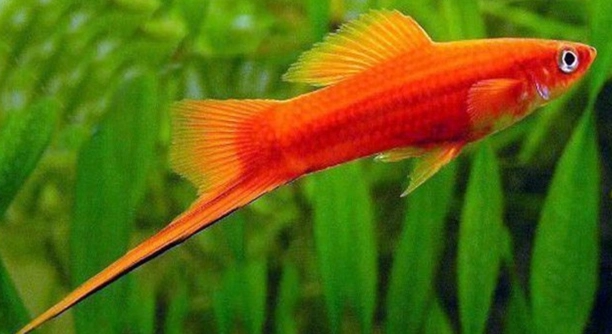
Do your swordtails sometimes huddle in the corner or hide behind plants, making you wonder if something’s off in their tank?
Swordtails often hide together due to stress, poor water quality, overcrowding, or feeling threatened by tank mates. These behaviors are typically linked to environmental discomfort, and identifying the root cause is important for improving their overall well-being.
Learning why this happens can help you create a better environment and keep your swordtails active, visible, and healthy.
Common Reasons Swordtails Hide Together
Swordtails hiding together is often a sign that something in their environment isn’t right. Poor water quality, sudden changes in temperature, or high ammonia levels can all cause stress. When swordtails are stressed, they may huddle in groups and stay out of sight. This helps them feel safer, especially if they sense danger or discomfort. Aggressive tank mates can also cause swordtails to seek refuge together. If your tank has more dominant fish, swordtails might be hiding to avoid conflict. Another factor could be the tank layout. If there aren’t enough hiding places, swordtails may cluster in one corner where they feel secure. It’s important to check each of these areas carefully to understand why your fish are hiding. Ensuring the right environment helps them feel comfortable enough to swim freely and stay active throughout the day. Regular observation makes it easier to notice changes and fix problems early.
Make sure your tank is not overcrowded. Too many fish can lead to tension and stress.
Proper spacing, gentle tank mates, and consistent water conditions are key. A clean tank and good lighting can also encourage swordtails to feel more relaxed and visible. Watching them thrive feels rewarding.
How to Help Them Feel Safe Again
Start by testing your water parameters. A basic test kit will check ammonia, nitrite, nitrate, and pH. If any of these levels are off, take action right away. Regular water changes, ideally once a week, help maintain stability. Make sure the tank is large enough for the number of fish you have. Swordtails need room to swim and space to claim territory. Rearranging the decor or adding plants can help create more hiding spots and reduce aggression. Keep the temperature stable, ideally around 72–82°F, and avoid sudden changes. If you suspect bullying, observe interactions and consider separating aggressive fish. Sometimes, adding a few more swordtails can actually help if your current group is too small—this spreads out attention and reduces stress. Small changes can lead to a big improvement in behavior, and over time, your swordtails will likely become more active and visible as they settle into a secure routine.
Behavioral Patterns to Watch For
When swordtails start hiding, pay attention to other behaviors like clamped fins, loss of appetite, or sluggish swimming. These signs can tell you more about what’s going wrong, especially when paired with their hiding habits.
If your swordtails are hiding but still swimming in short bursts and eating normally, they might just be adjusting to something new, like a recent water change or tank rearrangement. But if they’re staying hidden for long periods, ignoring food, or showing dull colors, it’s likely something more serious. A healthy swordtail is usually curious, swims in the open, and interacts with other fish. Hiding paired with isolation or erratic movement may point to illness or fear. It’s also worth checking if other fish are chasing or nipping at them, which could explain the behavior. Observing closely helps you respond faster and adjust their environment before things get worse.
Some swordtails become more reserved after stressful events like transportation or tank transfers. Give them time and monitor progress.
Keep the tank lights on a timer and avoid tapping on the glass. Loud noises or sudden movement outside the tank can also lead to hiding. Try to keep their space calm and consistent throughout the day.
Environmental Factors to Adjust
Hiding behavior often improves once the tank environment is adjusted. Even small details like filter strength or tank lighting can make a difference. Bright lights or strong currents can overwhelm swordtails, causing them to seek shelter together.
Check the flow from your filter and adjust it if needed. Some swordtails prefer calmer water and will hide if the current is too strong. Add floating plants or tall decorations to break up light and give them shaded areas. Make sure your tank has enough space for swimming and separate hiding spots for each fish. Remove aggressive species if they’re making others uncomfortable. If possible, keep swordtails in groups of at least three to reduce anxiety. Feeding them at the same time every day also helps them build trust in their routine. When all their basic needs are met, swordtails become more comfortable and confident in exploring their space again.
Social Dynamics in the Tank
Swordtails often respond to their social setting. If they feel outnumbered or threatened, they may stick together and hide more often to feel secure.
Adding more peaceful fish or rearranging the tank can sometimes reset the balance. This helps reduce stress and gives swordtails more confidence.
Illness and Health Concerns
Illness is another reason swordtails may begin hiding. Look for signs like white spots, ragged fins, or rapid breathing. These could point to issues such as ich, fin rot, or internal parasites. When fish feel unwell, they often isolate themselves to rest or avoid confrontation. Quarantine sick fish when needed and begin treatment quickly. Use medications carefully and only when necessary, and always follow directions. Test your water frequently, since many illnesses are tied to poor conditions. A healthy diet also supports a stronger immune system. Offering high-quality flakes or pellets, along with frozen or live treats, can make a noticeable difference in recovery.
When Hiding Becomes Normal
Some swordtails are naturally more reserved and may just prefer shaded corners. As long as they eat well and show no other symptoms, it’s often nothing to worry about.
FAQ
Why are my swordtails hiding all of a sudden?
Sudden hiding is often caused by a recent change in their environment. This might include a new tank mate, a shift in water temperature, a big water change, or a rearrangement of decorations. Even changes outside the tank, like noise or movement, can trigger a stress response. When swordtails feel unsafe, they naturally retreat to shaded or covered areas until they feel secure again. This behavior should ease once they’ve adjusted, but if it doesn’t, it’s worth checking for other signs like illness or bullying.
Can swordtails hide because of bullying?
Yes, bullying is a common reason. Swordtails are usually peaceful, but certain tank mates—especially fin-nippers or territorial fish—can harass them. Males also sometimes become aggressive with each other when kept in small groups or without enough females. A bullied swordtail will often hide, avoid food, and stay near the bottom or behind decorations. To fix this, monitor interactions closely and consider removing the aggressive fish or adding more hiding places. You might also need to separate males or increase the number of females to ease tension.
Is it normal for swordtails to hide during the day?
While swordtails are typically active during the day, some hiding is normal, especially if the lighting is too bright or there are few shaded areas. They enjoy having shelter to retreat to when they need a break. However, if your fish are hiding all day and avoiding food or other fish, that’s not typical. In those cases, check for stress, illness, or water quality issues. Providing floating plants, caves, or tall decorations can help them feel safer and come out more often.
How can I tell if my swordtail is hiding because of illness?
Ill swordtails usually show other signs besides hiding. Look for physical changes like faded color, clamped fins, spots, or visible wounds. Behavioral clues like staying at the surface or bottom, fast gill movement, or refusing food can also indicate something is wrong. If you see any of these signs along with hiding, test the water right away and isolate the fish if needed. Treat any clear symptoms with appropriate medication, but try to avoid overmedicating unless you’re sure what the issue is.
Do swordtails need specific hiding spots in their tank?
Yes, swordtails benefit from having plants, caves, or other decorations where they can rest or hide if needed. Even active fish enjoy having safe areas. This helps reduce stress and allows them to feel more in control of their environment. Without any hiding spots, swordtails may become anxious and more prone to illness. Live or silk plants, driftwood, and small caves work well. Spread these features throughout the tank so all fish have access without overcrowding one area.
Should I be worried if multiple swordtails are hiding together?
If multiple swordtails are hiding at the same time, it’s usually a sign of shared stress. This could be due to a sudden scare, poor water conditions, or harassment from another fish. When swordtails group together and stay hidden, they’re trying to protect themselves. This behavior is especially common when there’s not enough cover in the tank, causing them to crowd the same safe spot. Test your water, check for aggression, and give them more space to spread out. Once the stressor is gone, they’ll likely start swimming normally again.
What’s the best way to stop my swordtails from hiding?
Start by checking the water quality. Poor parameters are the most common cause of stress. Then review the tank setup—make sure it’s not too crowded, there are enough hiding spots, and the current isn’t too strong. Avoid sudden changes in lighting or temperature, and stick to a routine feeding schedule. If aggression is the issue, rehome the troublemakers or rearrange the tank to reset territorial behavior. The goal is to create a calm, balanced space where all fish feel secure. Over time, your swordtails will feel safe enough to return to open swimming.
Final Thoughts
Swordtails are known for being active, colorful fish, so it can feel concerning when they suddenly begin hiding. This behavior isn’t always a major problem, but it’s important to look at what might be causing it. In many cases, hiding is simply a response to something new or stressful in the tank. It could be due to a recent move, a new tank mate, a loud sound, or even a water change. Swordtails prefer calm surroundings, and when they feel uncertain, hiding gives them a sense of safety. Observing their body language, feeding habits, and interactions with others can help you figure out if something more serious is going on.
When swordtails hide together, it often points to a shared problem in their environment. They may be reacting to poor water quality, aggressive tank mates, or a lack of shelter. Fish rely heavily on their surroundings to feel secure, so a tank with minimal plants, rough lighting, or strong water currents can create stress. These small details matter. Sometimes it takes just a few changes—like adjusting the filter flow or adding floating plants—to help swordtails relax and return to their usual behavior. Watching them come out of hiding after a simple adjustment can be a good sign that you’re on the right track.
Taking the time to understand your swordtails’ behavior can make a big difference in their health and comfort. If you notice something off, it’s okay to make small changes, monitor the tank closely, and give them time to adjust. There’s no need to overreact, but it’s always better to check than to ignore signs that might point to a larger issue. Swordtails are fairly hardy and will usually bounce back once they feel safe again. Just keep an eye on your tank’s setup, stay consistent with maintenance, and make sure all your fish are getting along. A peaceful environment helps keep hiding to a minimum and encourages your swordtails to stay active, social, and healthy over time.

Hello,
If you enjoy the content that we create, please consider saying a "Thank You!" by leaving a tip.
Every little bit helps us continue crafting quality advice that supports the health, happiness, and well-being of pets around the world, for pets of all shapes, sizes, and species.
We really appreciate the kindness and support that you show us!