
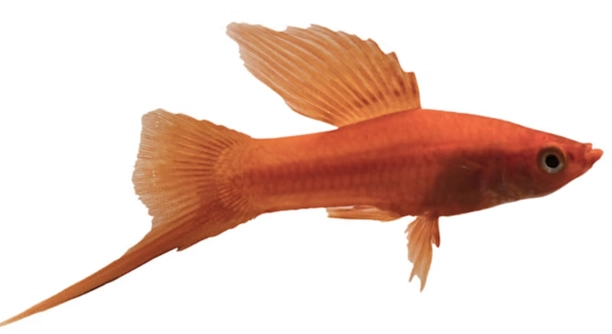
Swordtails are popular fish in many home aquariums, known for their colorful appearance and active behavior. If you’re new to caring for them, you might be wondering how they handle changes in water temperature, especially cooler conditions.
Swordtails generally prefer warmer water temperatures between 72°F and 82°F (22°C – 28°C). Exposure to cooler water, especially below 70°F (21°C), can lead to stress, weakened immune systems, and other health issues for these fish.
Knowing how cooler water affects your swordtails can help you keep them healthy. We’ll explore ways to manage water temperature and ensure your fish stay happy in their environment.
Swordtails’ Ideal Water Temperature
Swordtails thrive in warm water temperatures, ideally between 72°F and 82°F (22°C – 28°C). This range allows them to swim comfortably, breed, and stay active. If the water dips too low, it can lead to stress and even health problems like weakened immune systems. Cold water lowers their metabolism, making it harder for them to digest food, and can also cause them to become lethargic. Swordtails are particularly vulnerable to temperature fluctuations, as they are naturally found in tropical areas. Keeping the water stable and within their preferred range is crucial for their long-term well-being.
If your swordtails are exposed to water that’s too cold, it can lead to issues like sluggish movement and loss of appetite. Cold temperatures can also trigger diseases, leaving them more vulnerable to infections.
Monitoring the temperature in your tank is essential to maintaining healthy swordtails. Consider investing in a reliable aquarium heater to keep the water within the right range. A consistent temperature will help avoid unnecessary stress and improve the overall health of your fish.
How Cold Water Affects Swordtails
Swordtails can tolerate a slight decrease in temperature but not prolonged exposure to cold water. When the water falls below 70°F (21°C), they may start to show signs of stress, such as fading colors or increased breathing rates. Over time, the fish’s immune system weakens, making them more susceptible to infections.
Cold water not only affects their activity levels but also influences their ability to reproduce. Swordtails prefer warmer water to breed, and colder temperatures can halt their breeding process entirely. Reduced reproduction rates may lead to fewer new fish in your tank, which can impact the balance of your aquarium.
For swordtails to live a healthy life, it is important to monitor the water temperature regularly. You can use a thermometer to ensure the water stays within the recommended range. A heater can help maintain a steady temperature, preventing sudden drops that could stress your fish.
How to Maintain the Right Water Temperature
Maintaining the right water temperature for your swordtails is simple but requires consistent monitoring. A quality aquarium heater can help regulate the temperature and prevent it from fluctuating. Regular checks with a thermometer will ensure that the water stays within the ideal range.
An aquarium heater can be adjusted to maintain the desired temperature, but it’s important to choose one that fits the size of your tank. Heaters are available in various wattages, so make sure you get the right one to avoid overheating or underheating the water. Additionally, using a thermometer will give you peace of mind that the temperature remains stable throughout the day and night.
Make sure to place the heater in an area of the tank where the water circulates well. If the water is stagnant around the heater, it may not heat evenly. Avoid placing the heater near the filter or pump, as this can cause uneven heat distribution. A steady temperature is key to keeping your swordtails healthy.
Signs of Stress from Cold Water
Swordtails are highly sensitive to water temperature changes, and they show signs of stress when the water is too cold. You may notice them swimming slowly or hanging near the bottom of the tank, looking lethargic. They might also stop eating altogether.
Temperature-induced stress can have a long-term effect on your swordtails. If left untreated, these signs may escalate to more serious health issues like weakened immune systems or fin rot. Additionally, cold water can lower their overall energy, making them more prone to infections. It’s important to address any sudden drops in temperature as soon as possible to prevent further complications.
Keep an eye out for changes in behavior and appearance, such as faded colors or clamped fins. These can indicate that your swordtails are struggling with the cold. When you notice these signs, it’s time to adjust the tank temperature and provide a more comfortable environment for your fish.
Adjusting Water Temperature Quickly
If the water temperature drops too low, you need to raise it gradually. Sudden changes can stress your swordtails further. Use your heater to slowly bring the temperature back into the ideal range, ideally no more than 2°F (1°C) per hour.
If you need to increase the temperature quickly, avoid turning the heater up too high in one go. Doing so can shock the fish, making them even more stressed. A steady, gradual increase is safer for them and will help minimize the risk of additional health problems. Allow the water to adjust to the proper level without drastic changes.
Small adjustments will ensure the temperature stays within range. If you’re worried about fluctuations, adding an aquarium controller or timer can help regulate the heater’s operation. This ensures the water temperature stays steady without sudden drops or increases, reducing the risk of stress on your fish.
The Role of Aquatic Plants
Aquatic plants in your tank can help maintain a stable environment for your swordtails. They contribute to water quality by absorbing excess nutrients and providing natural hiding spots. Plants also aid in oxygenating the water.
In addition to stabilizing the water temperature, plants help improve the overall health of your tank. They create a more natural, comfortable environment where swordtails can swim and explore. Live plants, like Java Fern or Anubias, thrive in warmer water and will not only improve the aesthetics of your aquarium but also reduce stress for your fish. Their presence can make the tank feel less artificial and more like a home for your swordtails.
Tank Maintenance and Temperature Control
Regular tank maintenance is crucial to keeping the water temperature stable. Clean your filter and replace any dirty components, as they can affect the heater’s efficiency. Also, clean the substrate to remove debris that may obstruct water flow.
Maintaining good water quality will help your swordtails stay healthy. Regular water changes also help regulate temperature fluctuations and prevent unwanted buildup of harmful chemicals. Make sure to use a water conditioner when changing water to avoid shocking your fish with different pH or hardness levels. A well-maintained tank not only keeps your swordtails comfortable but also makes it easier to manage their environment.
FAQ
Can swordtails survive in cold water?
Swordtails are tropical fish and do best in warm water temperatures, typically between 72°F and 82°F (22°C – 28°C). They can survive in slightly cooler water for short periods, but prolonged exposure to temperatures below 70°F (21°C) can cause stress and health issues. It’s best to avoid letting the water drop too low, as it affects their metabolism and immune system.
How do I know if my swordtails are stressed due to cold water?
If your swordtails are stressed due to cold water, you may notice signs like slow swimming, lack of appetite, and hiding more than usual. They might also have faded colors, clamped fins, or increased breathing. If the cold stress continues, it can lead to more severe health problems, so it’s important to act quickly to restore the correct temperature.
How can I raise the water temperature for my swordtails?
To raise the water temperature, use an aquarium heater and adjust it gradually. Sudden temperature increases can shock your fish, causing more stress. Aim for a gradual increase of 1-2°F (0.5-1°C) per hour. Be sure to monitor the temperature with a thermometer and avoid sharp fluctuations, as stability is key.
What is the best way to maintain the water temperature?
The best way to maintain the water temperature for your swordtails is to use a reliable aquarium heater and a thermometer. A heater will help keep the water within the ideal range of 72°F to 82°F (22°C – 28°C). Regularly check the temperature to ensure that it’s consistent, and consider using a heater with an automatic shut-off to avoid overheating. A thermometer placed in the tank will give you an accurate reading at all times.
Can swordtails breed in cooler water?
Swordtails prefer warmer water for breeding. Cold water can halt the breeding process, and swordtails are less likely to reproduce in temperatures below 70°F (21°C). If you want to encourage breeding, maintaining the temperature within their ideal range will help stimulate their natural breeding behavior. A consistent warm environment encourages successful spawning.
What other factors affect swordtail health besides water temperature?
Besides water temperature, swordtails’ health is also influenced by water quality, diet, and tank size. Keeping the water clean and free of toxins is essential for preventing diseases. Providing a balanced diet of high-quality fish food will keep them strong and healthy. Additionally, ensure your tank is large enough for the fish to swim comfortably, and avoid overcrowding, which can lead to stress and health issues.
Can I add other fish to a tank with swordtails in cooler water?
Adding other fish to a tank with swordtails in cooler water is not recommended, as many fish species are also sensitive to temperature changes. Swordtails do best in stable conditions, so adding fish that prefer cooler water may cause additional stress for both the swordtails and the new fish. If you’re considering tankmates, make sure they are compatible with the temperature range swordtails need.
What are the symptoms of swordtails getting sick from cold water?
When swordtails are sick due to cold water, they may show several symptoms, such as loss of appetite, lethargy, and unusual swimming patterns. Their colors may fade, and they may hide more than usual. In severe cases, they could develop skin lesions or white spots, which may indicate fungal or bacterial infections. Cold water weakens their immune system, making them more prone to illness.
How often should I change the water to keep swordtails healthy?
Regular water changes are important for maintaining swordtail health. Typically, you should change about 20-30% of the water every week. This helps to keep the water quality high, preventing the buildup of harmful substances and maintaining a stable temperature. Be sure to treat tap water with a conditioner to remove chlorine and other chemicals that may harm your fish.
Do swordtails need a heater in warmer climates?
Even in warmer climates, it’s a good idea to use a heater to maintain a consistent water temperature. Temperatures can fluctuate throughout the day, and a heater helps keep the water stable, especially during the night or colder months. A heater ensures that the swordtails’ environment remains within their preferred temperature range, promoting better health and activity.
How do I know if the water temperature is too high for swordtails?
If the water temperature is too high for swordtails, they may show signs of distress, like rapid breathing, staying near the surface, or even gasping for air. Prolonged exposure to high temperatures (above 82°F or 28°C) can lead to stress, decreased oxygen levels, and even death in extreme cases. To avoid overheating, make sure your heater has a temperature control feature and keep an eye on the water’s temperature using a thermometer.
Can swordtails adapt to cooler temperatures over time?
Swordtails are not naturally adapted to cooler water, and prolonged exposure to low temperatures can cause chronic stress. They may become weak and vulnerable to diseases. While swordtails can tolerate short periods of cooler water, they are not built for long-term adaptation. Maintaining a warm environment is key to keeping them healthy.
Final Thoughts
Swordtails are beautiful and active fish, making them a popular choice for many aquarium owners. However, they require a stable, warm environment to thrive. Their ideal temperature range is between 72°F and 82°F (22°C – 28°C), and maintaining this temperature is crucial for their health. If the water temperature drops too low, swordtails can experience stress, become more vulnerable to diseases, and lose their ability to reproduce. It’s important to make sure that the water stays within this range consistently.
To ensure swordtails are happy and healthy, regular maintenance of the aquarium is key. Invest in a reliable aquarium heater and thermometer to maintain the right temperature. A heater helps regulate the water, preventing sudden drops in temperature, while a thermometer lets you monitor the tank’s conditions at all times. Additionally, keeping the water clean and performing regular water changes will help maintain the overall health of your fish. A healthy environment is not only beneficial for the swordtails but also for any other fish or plants in the tank.
Swordtails are hardy fish but still sensitive to their environment. While they can handle brief changes in water temperature, constant exposure to cold water can have negative effects on their health. The best approach is to avoid drastic temperature fluctuations and provide a stable, warm habitat for them to thrive. With proper care, your swordtails will remain vibrant, active, and healthy.

Hello,
If you enjoy the content that we create, please consider saying a "Thank You!" by leaving a tip.
Every little bit helps us continue crafting quality advice that supports the health, happiness, and well-being of pets around the world, for pets of all shapes, sizes, and species.
We really appreciate the kindness and support that you show us!