
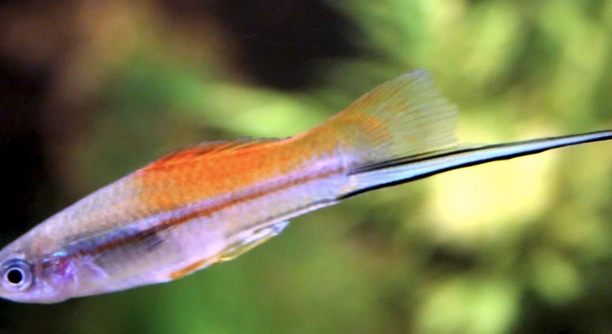
Swordtails are popular fish known for their vibrant colors and lively personalities. However, keeping them healthy can sometimes be tricky, especially when it comes to temperature. Temperature plays a major role in their well-being.
Swordtails require a stable water temperature to thrive. Mistakes in temperature management can lead to stress, illness, and even death. Common issues include fluctuating temperatures or not adjusting water conditions according to the seasons.
Understanding how temperature affects your swordtail’s health can help you avoid these mistakes. This knowledge will ensure your fish remain happy and healthy.
Mistake #1: Allowing Temperature Fluctuations
Swordtails are highly sensitive to sudden temperature changes. Small fluctuations in their environment can lead to stress, weakening their immune systems. Stress can cause them to become more vulnerable to diseases, which can ultimately shorten their lifespan. A steady water temperature between 72-82°F (22-28°C) is ideal for swordtails.
It’s important to keep their tank in a place where the temperature remains relatively constant. Avoid placing their tank near windows or heaters, where it might get too hot or cold during the day.
Investing in a reliable aquarium heater and thermometer is key. This way, you can monitor the temperature and make adjustments as needed. Regular checks ensure that swordtails remain in a comfortable environment, leading to healthier, more active fish.
Mistake #2: Ignoring the Effects of Seasonal Changes
Many people forget to adjust the water temperature during different seasons. In colder months, water can cool down too much for swordtails to thrive, especially if the tank isn’t heated.
For this reason, a heater becomes essential during winter months. Even in warmer seasons, temperature rises can create stress. Maintaining the correct temperature range year-round is critical to keeping your swordtails in peak health. Regularly checking the water temperature ensures that seasonal shifts don’t catch you off guard.
Mistake #3: Not Using an Aquarium Heater
Some swordtail owners skip using an aquarium heater, assuming the room temperature is enough. This can lead to issues, especially in tanks without a consistent heat source. Without a heater, it’s hard to maintain the stable temperature swordtails need to thrive.
Even though swordtails can handle a range of temperatures, having a heater helps avoid extreme shifts that could stress them out. Many heaters come with built-in thermostats to keep the water within the ideal range. Regularly checking the heater ensures it’s working properly and not overheating or malfunctioning.
With the right heater, you can create a more stable environment for your swordtails. The added control will prevent sudden drops in temperature, keeping your fish healthier and more active. It’s one of the easiest ways to ensure they stay comfortable in their home.
Mistake #4: Overlooking Water Testing
It’s easy to focus on temperature but forget that water quality also plays a major role. Regular water testing, including checking pH, ammonia, nitrites, and nitrates, ensures swordtails aren’t exposed to harmful conditions. Without proper water checks, even the best temperature management can be ineffective.
Maintaining good water quality helps prevent illnesses related to temperature stress. A balanced, clean tank with the right temperature promotes long-term health for your fish. You can use testing kits to monitor the water or rely on your local aquarium store for help.
Mistake #5: Using the Wrong Thermometer
Relying on inaccurate thermometers can lead to poor temperature management. Some thermometers are hard to read or give fluctuating results, which makes it difficult to maintain a consistent environment for swordtails.
Choose a thermometer that gives precise readings. Digital or stick-on thermometers are often more accurate and easier to read. Place the thermometer in the tank where it can give you an accurate picture of the water’s temperature.
Regular checks can help you catch any issues early, ensuring a stable environment for your swordtails.
Mistake #6: Not Gradually Adjusting Temperature Changes
Sudden temperature changes can shock swordtails, leading to stress or even death. If you need to change the water temperature, it’s best to do it gradually over a few hours.
Rapid changes make it difficult for your fish to adjust, so take your time. Slowly increase or decrease the temperature in small increments. This allows your swordtails to adapt and stay comfortable during the process.
FAQ
How do I know if my swordtail’s water temperature is too high or too low?
Swordtails thrive in water temperatures between 72-82°F (22-28°C). If the temperature goes above this range, swordtails may become stressed, stop eating, or become lethargic. On the other hand, if the water is too cold, they may become sluggish and more susceptible to illness. If you notice these behaviors, check your thermometer to see if the temperature is within the ideal range. A consistent, stable temperature is key to keeping your swordtails healthy.
What are the best aquarium heaters for swordtails?
A good aquarium heater should be reliable, easy to set up, and able to maintain a steady temperature. Look for heaters with built-in thermostats to avoid overheating. Submersible heaters are often a good choice as they provide even heat distribution. Brands like Eheim and Fluval are known for making high-quality aquarium heaters. It’s important to choose one that matches your tank size to ensure proper heating.
Can I use a single thermometer for multiple tanks?
It’s best to have a thermometer in each tank. Even though a thermometer can be moved between tanks, it’s difficult to monitor multiple tanks consistently with just one. Having a separate thermometer in each tank will allow you to regularly check the temperature, ensuring that each tank remains stable.
How often should I check the water temperature?
Checking the water temperature once a day is a good habit to maintain, especially during significant weather changes. If you’re using a reliable heater with a thermostat, it may not be necessary to check it every time. However, during major shifts in weather, it’s a good idea to monitor it more closely.
What happens if the water temperature fluctuates too much?
Frequent temperature fluctuations can cause stress to swordtails, leading to weaker immune systems and a greater chance of disease. Swordtails are hardy, but constant fluctuations make them more vulnerable. Keeping a steady temperature helps prevent these issues and ensures a healthier environment for your fish.
Can swordtails live in cooler water?
Swordtails can survive in cooler water, but it’s not ideal for their long-term health. Temperatures below 72°F (22°C) can cause stress and make them more susceptible to illness. It’s important to keep their tank within the recommended temperature range to ensure they remain active and healthy.
Can I use a heater with a filter in the tank?
Yes, it’s common to use both a heater and a filter in the same tank. Just ensure that the heater is placed in an area where it won’t be blocked by decorations or the filter’s output. Proper placement allows the water to circulate evenly and maintain a stable temperature throughout the tank.
How do I gradually adjust the temperature if I need to change it?
If you need to adjust the temperature, do so gradually by increasing or decreasing it by a few degrees over several hours. Sudden changes can shock your swordtails and lead to stress. Using an adjustable aquarium heater makes this process easier, as it allows you to control the temperature more precisely.
Can swordtails tolerate warmer water than 82°F?
Swordtails can tolerate slightly warmer water, but temperatures above 82°F (28°C) can stress them and reduce their lifespan. If the temperature exceeds this range for long periods, swordtails may become sluggish and prone to illness. It’s better to keep the water at a steady temperature below this threshold to ensure their health.
What should I do if the water temperature is too low?
If the water temperature is too low, turn on the aquarium heater and allow it to gradually warm up. Avoid making rapid changes, as this can stress your fish. If the temperature drop is significant, you might want to perform a partial water change with warmer water to help bring the temperature up more quickly.
How do I prevent overheating in my aquarium?
To prevent overheating, avoid placing your aquarium near direct sunlight, heaters, or heat-producing appliances. Make sure the heater is functioning properly and isn’t malfunctioning. In warm months, you can also use a fan or air conditioning to keep the room cooler. Regularly check the water temperature to catch any potential overheating early.
Can I keep my swordtails in a tank without a heater?
While swordtails can survive in tanks without heaters, it’s not recommended for optimal health. Without a heater, it’s difficult to maintain a consistent temperature, and fluctuations may stress the fish. A heater helps stabilize the water temperature, keeping the environment ideal for swordtails, especially in colder seasons.
Do I need to adjust the temperature when doing a water change?
Yes, when performing a water change, it’s important to match the temperature of the new water to the existing tank water. Adding cold water to a tank that’s too warm can cause shock to the swordtails. Similarly, if the tank is too cold and you add warm water, it can lead to stress. Always check the water temperature before adding new water to the tank.
Final Thoughts
Maintaining the right water temperature for your swordtails is essential to their health and well-being. These fish thrive in stable conditions, and temperature fluctuations can cause unnecessary stress or even lead to illness. By investing in a good aquarium heater and thermometer, you can easily maintain a consistent environment. This simple step will make a big difference in ensuring your swordtails live long, healthy lives. Keeping the water temperature in the ideal range will help your fish stay active, colorful, and strong.
It’s important to remember that swordtails are sensitive to sudden changes in their environment. This includes temperature, which is why it’s recommended to adjust water temperature gradually if needed. Sudden drops or increases in temperature can shock the fish, making them more vulnerable to diseases and stress. Regularly checking the water temperature, especially during changes in the seasons, will help you prevent any issues. A thermometer is an inexpensive tool that can save you a lot of trouble in the long run.
Finally, while temperature is one of the most important factors in caring for swordtails, it’s also crucial to maintain good water quality. Regularly test for ammonia, nitrites, and nitrates, and perform water changes as needed. Swordtails are hardy fish, but keeping them in a stable, clean environment is key to their overall health. By understanding the connection between temperature, water quality, and fish well-being, you can provide the best care for your swordtails and create a thriving aquarium.

Hello,
If you enjoy the content that we create, please consider saying a "Thank You!" by leaving a tip.
Every little bit helps us continue crafting quality advice that supports the health, happiness, and well-being of pets around the world, for pets of all shapes, sizes, and species.
We really appreciate the kindness and support that you show us!