
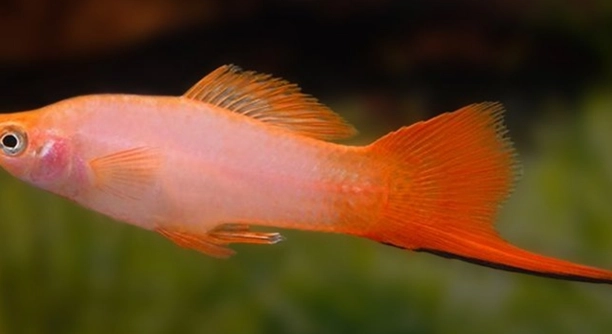
Swordtails are a popular species in home aquariums, admired for their lively behavior. Observing their preference for water movement can provide insights into how to create an ideal environment for their well-being.
Swordtails generally prefer water that is gently moving rather than still. This mimicry of natural conditions helps them feel more at ease and encourages healthy swimming behavior. Still water can often cause stress or poor water quality for these fish.
Understanding their preferences for water movement can improve their environment and overall health. Keeping these considerations in mind will help ensure a more comfortable and stable habitat for your swordtails.
The Benefits of Moving Water for Swordtails
Swordtails thrive in environments that resemble their natural habitats. In the wild, these fish are found in flowing rivers and streams. The constant movement helps oxygenate the water, reducing stagnation. It also encourages swordtails to swim actively, which is beneficial for their health and well-being. They tend to stay more engaged in environments with mild water movement, which provides both mental and physical stimulation.
Without movement, swordtails may become lethargic. In still water, oxygen levels can drop, leading to poor water quality. In turn, this can cause stress, decreased appetite, and even health issues like fin rot or fungal infections. They are more likely to develop these conditions when kept in stagnant water for extended periods. Additionally, stagnant water tends to accumulate waste and harmful substances more easily, creating an unhealthy environment for the fish.
Swordtails are naturally active swimmers, and they feel more comfortable in water that moves gently. Even a small filter or aerator can help mimic the flow they would experience in their natural surroundings. This movement keeps the fish engaged and healthy, preventing stress-related issues.
Setting Up the Right Environment
A simple water pump or filter can create the gentle flow swordtails need to thrive. It’s essential to make sure the current isn’t too strong, as this can overwhelm them. Finding the balance of water flow is key to creating a healthy environment for these fish.
Creating the perfect water movement for swordtails can be done with a combination of tools. While a filter is effective at keeping the water clean, the flow it creates can sometimes be too harsh. Using a sponge filter, an adjustable water pump, or even carefully placed decorations can help diffuse the current. This way, swordtails can enjoy the benefits of moving water without being stressed by excessive force. You can adjust the water movement based on the size and layout of the tank. It’s important to note that swordtails do best in aquariums with plenty of space to swim and explore. Maintaining proper water quality alongside gentle movement ensures their comfort and health. Consistent water changes and monitoring for waste build-up are also necessary to keep the habitat clean.
How to Adjust Water Movement in the Tank
The key to managing water flow for swordtails is to adjust it based on the size of your tank. Too much movement can stress the fish, while too little can lead to poor water quality. Finding that balance is essential for their well-being.
A sponge filter can help create a gentle, consistent flow of water. It’s ideal for tanks with swordtails, as it doesn’t produce strong currents. Adjusting the pump or filter flow can also make a big difference. If the current is too strong, try placing rocks or plants strategically to break it up. Keeping water movement moderate is important, so swordtails feel comfortable swimming without exhaustion. It’s also a good idea to regularly check water parameters to ensure the right oxygen levels are maintained.
Adding plants or tank decorations can also help diffuse the flow. This ensures the water moves gently without creating harsh currents that could stress your fish. Regularly cleaning the filter is also crucial to maintain water quality. The goal is to keep the water moving just enough to provide oxygen but not so much that it overwhelms the fish.
Monitoring Water Quality with Moving Water
Monitoring water quality is just as important as the movement itself. Moving water helps oxygenate the tank, but it’s also essential to keep an eye on waste levels. Swordtails, like other fish, are sensitive to poor water conditions.
When you have gentle water movement, oxygen levels are naturally kept higher, which benefits swordtails. However, moving water does not automatically mean clean water. Regular water testing is needed to ensure it remains within the ideal range. Ammonia, nitrite, and nitrate levels should be closely monitored, especially in tanks with live plants or a high fish load. Having a reliable filtration system that suits the water flow is key to maintaining healthy water quality. Keeping a consistent cleaning schedule will help reduce the risk of harmful substances building up in the tank.
Choosing the Right Filter for Swordtails
The right filter can make a significant difference in the water quality of your tank. For swordtails, a filter that offers gentle filtration is ideal. It should provide enough flow without overwhelming them. Adjustability is a key feature to look for.
Sponge filters are a great option for swordtails as they offer low water movement while still filtering effectively. If you prefer a more traditional filter, look for one with an adjustable flow rate. This way, you can ensure the water movement stays within the ideal range for swordtails. A reliable filter ensures cleaner water and a healthier environment.
Temperature Considerations for Swordtails
Swordtails prefer warm water, typically between 72°F and 82°F (22°C to 28°C). Maintaining a consistent temperature is crucial for their health. Fluctuations in water temperature can cause stress and make swordtails more susceptible to illness.
An aquarium heater is essential for maintaining the proper temperature range. It’s important to regularly monitor the water temperature with a thermometer to ensure it remains stable. Sudden drops or rises in temperature can weaken the immune system of swordtails. Keeping the temperature consistent helps promote their well-being and supports their natural behavior.
FAQ
Do swordtails need water movement to survive?
Yes, swordtails do better with water movement, as it mimics their natural habitat. Moving water helps with oxygenation, preventing stagnant conditions that can lead to poor water quality. Although they can survive in still water for short periods, it’s not ideal for their long-term health.
Can swordtails live in stagnant water?
Swordtails can survive in stagnant water for a while, but it can lead to stress, reduced oxygen levels, and a buildup of waste. Stagnant water can increase the risk of diseases and health issues. A gentle current is much healthier for them.
What kind of filter is best for swordtails?
A sponge filter works well for swordtails since it provides a gentle water flow and effective filtration. If you prefer a traditional filter, make sure it’s adjustable so that you can regulate the flow. Avoid filters with strong currents, as they can stress your swordtails.
How can I adjust the water movement for swordtails?
You can adjust water movement by using an adjustable filter or water pump. A sponge filter can also be a great choice. Make sure the current isn’t too strong. Plants, rocks, or tank decorations can also help diffuse the water flow, making it gentler for swordtails.
What is the ideal water temperature for swordtails?
Swordtails thrive in warm water temperatures between 72°F and 82°F (22°C to 28°C). Keeping the water within this range helps maintain their health and activity levels. It’s important to avoid sudden temperature changes, which can stress the fish.
Can swordtails live in cold water?
Swordtails are not suited for cold water. They prefer warm temperatures and can become stressed or ill if the water is too cold. If the water drops below 70°F (21°C) for an extended period, swordtails may become lethargic or more susceptible to disease.
How often should I change the water for swordtails?
It’s important to change 25-30% of the water in your swordtail tank every 1-2 weeks. This helps maintain water quality, removes waste, and replenishes essential minerals. Regular water changes prevent the buildup of harmful toxins like ammonia and nitrates.
Do swordtails need a lot of space in their tank?
Swordtails are active fish that require plenty of space to swim. A tank size of at least 20 gallons is recommended for a small group of swordtails. Overcrowding can lead to stress, poor water quality, and increased risk of disease.
How do I know if my swordtail is stressed?
Signs of stress in swordtails include sluggish swimming, loss of appetite, faded colors, or unusual behavior such as hiding. Stress can also be caused by poor water conditions, unsuitable tankmates, or rapid changes in the environment. Ensure that the tank is clean, the water parameters are ideal, and there are no aggressive tankmates.
Can swordtails live with other fish?
Yes, swordtails are generally peaceful and can coexist with other community fish. However, avoid keeping them with overly aggressive species. Swordtails are best kept with fish that prefer similar water conditions, such as tetras, guppies, and mollies. Always monitor the behavior of tankmates to ensure peaceful interactions.
What should I feed my swordtails?
Swordtails are omnivores and will eat a variety of foods, including flakes, pellets, and live or frozen foods like brine shrimp, daphnia, or bloodworms. A balanced diet is important for their health. Avoid overfeeding, as this can lead to water quality issues and obesity.
How do I breed swordtails?
Breeding swordtails is relatively easy. They are livebearers, meaning they give birth to live young rather than laying eggs. Provide plenty of hiding places in the tank for the baby swordtails, as adult fish may eat the fry. Maintaining clean water, proper nutrition, and a stable temperature will encourage successful breeding.
Do swordtails need plants in their tank?
While swordtails don’t require plants, they benefit from having them in their tank. Plants provide hiding spots, help oxygenate the water, and contribute to a more natural environment. Live plants can also help control algae growth and improve water quality by absorbing excess nutrients.
What should I do if my swordtail has fin rot?
Fin rot is usually caused by poor water quality or stress. To treat fin rot, start by improving the water quality with regular water changes and proper filtration. You may need to use an antibiotic treatment or consult a vet for further assistance. Ensure that the tank conditions are optimal for healing.
Can swordtails live in a tank with high salinity?
Swordtails prefer freshwater environments but can tolerate slightly brackish conditions. However, high salinity levels are not ideal for swordtails and can cause stress. If you have a brackish tank, it’s important to monitor the salinity levels and ensure they are within a range that swordtails can handle without issues.
How can I tell if my swordtail is male or female?
Male swordtails are typically more colorful and have longer, pointed tails. They also have a specialized fin called a gonopodium, which they use to fertilize females. Female swordtails are usually larger and less brightly colored, with a more rounded body shape.
Why is my swordtail hiding all the time?
Swordtails may hide if they are stressed, unwell, or feeling threatened. Ensure the tank environment is calm, and check for signs of disease or aggression from tankmates. Stress factors such as poor water quality, sudden changes, or overcrowding can also cause swordtails to seek shelter.
Are swordtails easy to care for?
Swordtails are relatively easy to care for, as long as their tank conditions are maintained. They don’t require complex care routines but do best with clean water, proper filtration, and a stable temperature. Regular feeding and water changes will keep them happy and healthy.
Can swordtails jump out of the tank?
Yes, swordtails are known to jump, especially if they are startled or stressed. To prevent them from jumping out, make sure your tank has a secure lid or cover. Additionally, avoid making sudden movements near the tank that could cause stress.
Final Thoughts
Swordtails are hardy and adaptable fish that thrive in stable environments. They do best in tanks with clean, filtered water and a consistent temperature range. Ensuring they have the right water movement and sufficient space will help keep them healthy and active. These fish are relatively low-maintenance, but their well-being depends on maintaining their tank conditions. If you follow the proper guidelines for tank setup, water quality, and feeding, swordtails can live a long, healthy life.
Understanding their natural preferences for water movement is key to keeping them happy. While swordtails can survive in still water, they are much better off in tanks with gentle currents. A filter with adjustable flow or a sponge filter can help create an ideal environment. Keeping the water temperature stable between 72°F and 82°F (22°C to 28°C) will also prevent stress and illness. Swordtails are active swimmers, so providing enough space for them to move freely is also essential.
Overall, swordtails are a great choice for both beginners and experienced fishkeepers. They are peaceful, easy to care for, and can coexist with many other community fish. Their lively nature and attractive appearance make them a popular choice in aquariums. With the right care and attention to their environment, swordtails can flourish, bringing both beauty and activity to your tank. By focusing on water quality, proper tank setup, and a balanced diet, you’ll be able to enjoy these fish for years to come.

Hello,
If you enjoy the content that we create, please consider saying a "Thank You!" by leaving a tip.
Every little bit helps us continue crafting quality advice that supports the health, happiness, and well-being of pets around the world, for pets of all shapes, sizes, and species.
We really appreciate the kindness and support that you show us!