
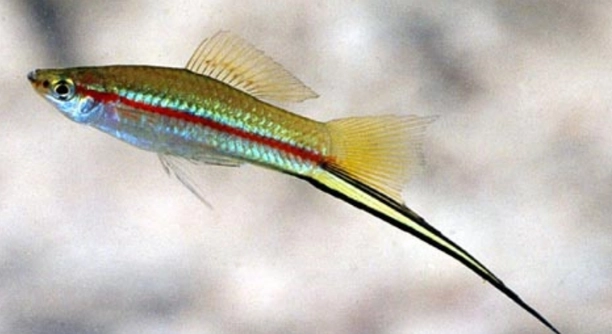
Swordtails and tetras are popular freshwater fish, each bringing unique colors and characteristics to an aquarium. They can make for an interesting combination in a community tank, but compatibility needs to be carefully considered to ensure a peaceful environment.
Swordtails and tetras can live together, but their compatibility depends on the specific species and tank conditions. Swordtails are active swimmers, while tetras prefer calmer areas. Adequate space and proper care can ensure harmony among these species in a well-maintained aquarium.
The right environment and tank setup can make all the difference in keeping swordtails and tetras together peacefully. Understanding their needs will help you create a harmonious community aquarium.
Swordtail and Tetra Compatibility Factors
When considering swordtails and tetras together, it’s important to account for their differences. Swordtails are generally peaceful but can become territorial, especially during breeding. Tetras, on the other hand, are usually calm and enjoy swimming in schools. However, some species of tetras may become stressed if a swordtail becomes too assertive. Choosing tetras that can handle the activity levels of swordtails is crucial to maintaining peace. Additionally, ensuring there is enough space in the tank is vital to prevent overcrowding, which could lead to aggression. A well-maintained tank with proper filtration will also help reduce stress on both species.
The environment plays a major role in the success of mixing swordtails and tetras. A tank that offers plenty of hiding spots and ample swimming space is ideal. This helps keep both species comfortable and minimizes the risk of territorial disputes.
Water parameters also influence compatibility. Swordtails prefer slightly alkaline water, while many tetras thrive in more acidic conditions. Balancing these preferences is key to ensuring both species are healthy. Keeping water temperature consistent between 72°F and 78°F will help both swordtails and tetras feel at ease.
Creating a Peaceful Tank
Setting up the right environment is essential when housing swordtails and tetras. This includes keeping the water clean and offering sufficient hiding spots for each species.
Swordtails and tetras may have differing water parameter preferences, but with proper attention, both can coexist peacefully. Swordtails are adaptable, but tetras need stable conditions to avoid stress. Make sure you adjust the water pH and hardness to suit both. The tank should have plants, rocks, and decorations to create territories for swordtails and give tetras plenty of places to hide and feel safe. A gentle filter system is also important to avoid disturbing the peaceful atmosphere. In addition, it’s best to keep a group of tetras to reduce stress caused by being alone. By giving them enough space and hiding spots, both species can thrive together.
Swordtails: Behavior and Care
Swordtails are generally peaceful but can be territorial, especially during breeding. They tend to be active swimmers, so they need ample space to move around. Keeping more females than males can help reduce aggression from male swordtails. Regular water changes and proper filtration are crucial for maintaining a healthy environment.
Swordtails are known for their vibrant colors and active nature, making them a great addition to community tanks. They are hardy fish that adapt well to different water conditions, but they do prefer a temperature range between 72°F and 78°F. They are omnivorous, so feeding them a balanced diet of flakes, pellets, and occasional live food will keep them healthy. It’s important to provide them with plants and decorations to mimic their natural habitat, which gives them hiding places and reduces stress.
While swordtails are generally easy to care for, they can sometimes display aggression if they feel overcrowded or threatened. Providing them with enough space and hiding spots can help keep them calm. Also, watch out for male swordtails during mating seasons; they can become more territorial and even chase other fish away. Maintaining a peaceful tank environment is essential for keeping them healthy and happy.
Tetras: Behavior and Care
Tetras are calm and social fish that prefer swimming in schools. They are smaller and more peaceful than swordtails but can be sensitive to water conditions. Keeping them in groups of at least six will reduce stress and allow them to thrive in a community tank.
Tetras enjoy water temperatures between 70°F and 80°F. While some species prefer slightly acidic water, many tetras are adaptable and can thrive in a variety of water conditions as long as pH levels stay stable. It’s important to offer them a diet rich in flakes, pellets, and occasional live foods to meet their nutritional needs. Providing a well-planted tank is beneficial for tetras, as it gives them places to hide and feel secure.
Tetras are peaceful but can become stressed if the tank is too crowded or if water parameters are unstable. Avoid keeping them with larger, more aggressive fish. They are known to swim in the middle and upper levels of the tank, so make sure they have enough room to move freely.
Tank Size for Swordtails and Tetras
Both swordtails and tetras require adequate swimming space. A minimum of a 20-gallon tank is recommended for small groups. Larger tanks are better, as they provide room for each species to establish their space. This helps minimize stress and territorial disputes.
For swordtails and tetras to coexist peacefully, the tank should be large enough to accommodate their activity levels. A 20-gallon tank works, but a larger tank gives more room to spread out. It’s essential to avoid overcrowding, as this can lead to aggression and stress, especially during breeding periods.
Water Conditions for Swordtails and Tetras
Swordtails and tetras have slightly different water preferences, but they can both thrive in a balanced environment. Swordtails prefer slightly alkaline water, while tetras thrive in more acidic conditions. A stable pH of 6.5 to 7.5 will accommodate both.
Monitoring water parameters closely is key to keeping both species healthy. Swordtails prefer slightly harder water, while tetras typically prefer softer water. Regular water changes and a good filtration system are crucial. Maintain stable temperature and pH levels to ensure both species are comfortable. Regular testing will help avoid any sudden shifts in water quality.
Tank Setup for Swordtails and Tetras
A well-planted tank with decorations provides plenty of hiding spaces for tetras and swimming areas for swordtails. Swordtails enjoy open spaces, while tetras like to hide among plants. This setup creates a natural environment that reduces stress.
FAQ
Can swordtails live with tetras?
Yes, swordtails can live with tetras under the right conditions. Swordtails are generally peaceful but may become territorial, especially during breeding. Tetras are calm fish that enjoy schooling and are less aggressive. To keep both species together successfully, ensure the tank is spacious enough, provide hiding spots, and monitor water parameters closely. It’s important to choose tetras that can tolerate the activity levels of swordtails, as some species might get stressed. Having plenty of plants and decorations in the tank will give both species areas to retreat when needed.
What tank size is best for swordtails and tetras?
A minimum of a 20-gallon tank is recommended for a small group of swordtails and tetras. However, larger tanks are better as they provide more space for each species to establish territories and swim freely. Overcrowding can lead to stress and aggression. A 30-gallon tank or larger will be ideal for ensuring a peaceful environment for both fish. More space also allows for better water circulation and filtration, which is essential for keeping the tank clean and healthy.
Do swordtails need to be kept in groups?
Yes, swordtails are social fish and thrive in groups. Keeping more females than males can help prevent aggression from male swordtails, especially during breeding periods. It’s best to have at least three females for every male. Having a group of swordtails reduces their stress levels and allows them to display their natural behavior. If kept alone, they might become more territorial or stressed, so it’s important to provide company for them in the tank.
Can tetras live alone?
While tetras are peaceful and social, they should not be kept alone. Tetras are schooling fish and feel more secure when kept in groups of at least six. When kept alone, they may become stressed, lose their color, and exhibit unusual behavior. A small school will allow tetras to feel safer and encourage natural behavior. Keeping them in groups also reduces stress and helps them stay active and healthy.
What should I feed swordtails and tetras?
Swordtails and tetras both have similar dietary needs. They are omnivores, so they will eat a mix of plant matter and protein. You can feed them high-quality flakes or pellets formulated for freshwater fish. Supplement their diet with live or frozen foods like brine shrimp, daphnia, or bloodworms. Offering occasional vegetables like spinach or zucchini will help meet their nutritional needs. It’s important not to overfeed them, as excess food can lead to poor water quality and health issues.
What is the ideal water temperature for swordtails and tetras?
Both swordtails and tetras thrive in water temperatures between 72°F and 78°F (22°C to 25°C). Maintaining a consistent temperature within this range is important to ensure both species are comfortable. Sudden temperature fluctuations can cause stress and make fish more susceptible to diseases. A reliable aquarium heater with a thermostat can help maintain the proper temperature. Regularly checking the temperature will also help prevent any unexpected shifts that could affect the health of the fish.
What are the common health issues for swordtails and tetras?
Swordtails and tetras are generally hardy, but they can suffer from common freshwater fish diseases. Some of the most common issues include fin rot, ich (white spot disease), and velvet disease. Keeping the tank clean and ensuring water quality is stable will help prevent these issues. If fish show signs of illness, such as lethargy, loss of appetite, or abnormal swimming behavior, it’s important to quarantine them and treat the illness promptly. Regular water changes, proper filtration, and maintaining a stable environment are key to preventing most health problems.
Do swordtails and tetras get along with other fish?
Both swordtails and tetras are peaceful and can coexist with many other species. However, it’s important to avoid keeping them with aggressive or very large fish, as they may become stressed or attacked. Swordtails and tetras do well with other peaceful fish, such as guppies, platies, or smaller cichlids. When choosing tankmates, consider the size, temperament, and activity levels of the fish to ensure they are compatible. Always monitor the behavior of all fish in the tank to ensure no one is being bullied or stressed.
How often should I clean the tank for swordtails and tetras?
Regular tank maintenance is essential to keep swordtails and tetras healthy. Perform partial water changes of about 25-30% every week to maintain good water quality. In addition, clean the substrate and remove any uneaten food or waste. The filter should be cleaned monthly to ensure it is working effectively, but avoid cleaning it all at once to maintain beneficial bacteria. Regular testing of water parameters, such as pH, ammonia, nitrites, and nitrates, will help keep the tank in optimal condition for both species.
Can swordtails and tetras breed in a community tank?
Both swordtails and tetras can breed in a community tank, but breeding may not always be successful in a mixed-species setup. Swordtails are livebearers, meaning they give birth to live young, while many tetras lay eggs. Swordtail males often display aggressive mating behavior toward females, which can be stressful. Tetras may also lay eggs in plants or on tank surfaces. If breeding is your goal, it’s best to provide a separate breeding tank or offer plenty of hiding places and dense plants where the fish can feel secure.
Final Thoughts
Swordtails and tetras can make great tank mates when kept in the right conditions. Both species are generally peaceful but do have different needs. Swordtails, being active swimmers, require space to move around, while tetras prefer hiding in plants and schooling with their own kind. A well-planned tank setup is essential for creating an environment where both species can thrive. Adequate space, proper water conditions, and suitable tank mates are key to ensuring the health and well-being of your fish.
The compatibility between swordtails and tetras largely depends on their individual temperaments and the environment provided. Swordtails can sometimes become territorial, especially during breeding, while tetras might feel stressed in tanks with overly aggressive fish. However, by ensuring the tank is spacious enough, keeping a good balance of both species, and providing plenty of hiding spots, they can coexist peacefully. A 20-gallon tank or larger with the right plants and decorations will give both species the opportunity to act naturally and reduce the risk of conflicts.
Regular maintenance and water quality checks are vital in keeping swordtails and tetras healthy. Both species are relatively hardy but can suffer from water quality issues if the tank is not properly maintained. By keeping the water clean, monitoring the tank’s temperature, and maintaining the correct pH levels, you can help prevent common health problems. With the right setup and care, swordtails and tetras can live together peacefully, offering a vibrant and active addition to any aquarium.

Hello,
If you enjoy the content that we create, please consider saying a "Thank You!" by leaving a tip.
Every little bit helps us continue crafting quality advice that supports the health, happiness, and well-being of pets around the world, for pets of all shapes, sizes, and species.
We really appreciate the kindness and support that you show us!