
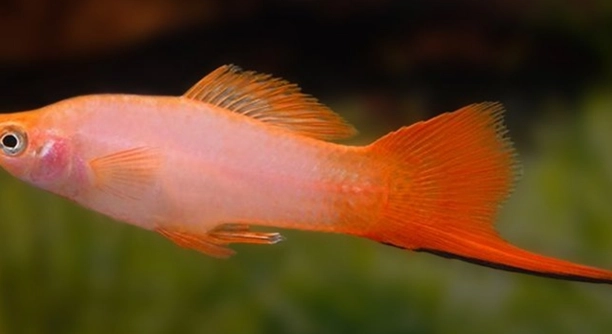
Are your swordtails racing around the tank, leaving you concerned about what might be causing their unusual behavior? Sudden changes like this can often signal something more than just energetic swimming.
Swordtails swim frantically due to stress, poor water conditions, overcrowding, or sudden environmental changes. These factors can disrupt their sense of safety and comfort, prompting erratic swimming behavior that may continue until the underlying issue is resolved.
Knowing the cause of this behavior helps you take quick action and create a healthier, more stable environment for your swordtails.
Common Reasons Behind Frantic Swimming
Frantic swimming in swordtails is often linked to water quality, tank overcrowding, and sudden changes in their surroundings. Poor water conditions, especially ammonia or nitrate spikes, can cause immediate stress. Overcrowded tanks also lead to territorial disputes and limited swimming space. These fish need a stable environment with proper filtration, regular water changes, and enough room to swim comfortably. Temperature fluctuations and sudden lighting changes may also cause stress responses. Introducing new tank mates too quickly or using harsh chemicals can further increase anxiety in these fish. Keeping a close eye on their behavior during these changes helps prevent escalation. Swordtails usually react to stress physically, and excessive swimming is one of their first warning signs. This behavior should not be ignored, as it reflects their discomfort. Observing these patterns early gives you time to adjust their environment and improve their conditions before the situation worsens or leads to long-term health issues.
Make sure the tank size is appropriate and avoid adding too many fish at once. Sudden shifts in their environment may cause unnecessary stress.
Check water temperature, pH, and ammonia levels regularly. Limit bright lighting and maintain a consistent routine to reduce anxiety triggers. Minor adjustments often lead to noticeable improvement.
How to Help Your Swordtail Calm Down
Remove any aggressive tank mates and reduce activity around the tank to create a calmer space. Even too much movement outside the aquarium can agitate sensitive fish.
Maintaining good tank hygiene plays a big role in preventing erratic swimming. Begin with weekly water changes, making sure chlorine and chloramine are neutralized before adding new water. Avoid overfeeding, as leftover food can affect water quality quickly. Use a test kit to monitor ammonia, nitrate, and nitrite levels closely. Swordtails thrive when water parameters remain steady. If levels spike, perform partial water changes more frequently and clean the substrate gently. Providing hiding spots with live plants or decorations also helps them feel secure. Avoid rearranging the tank too often, as sudden layout changes may confuse or unsettle them. Quarantine any new fish before introducing them to the main tank to reduce the risk of spreading disease. Consistency is key—keep lighting, feeding, and cleaning schedules predictable. With time and care, most swordtails return to normal swimming patterns once their environment is balanced and stress-free.
When Frantic Swimming Means Something More
Some cases of frantic swimming may be caused by illness or parasites. If your swordtail shows signs like clamped fins, color loss, or labored breathing, it’s best to act quickly and isolate the fish if needed.
Look closely for signs of ich, fin rot, or gill flukes. Ich often appears as tiny white spots on the body and fins, while fin rot causes frayed or discolored edges. Gill issues can lead to rapid gill movement and gasping near the surface. If you notice any of these symptoms, treat the tank using medication suitable for livebearers. Quarantine sick fish to prevent spreading, and raise the temperature slightly if treating ich—this can speed up the parasite’s life cycle, making treatment more effective. Avoid using strong chemicals unless absolutely necessary. Many treatments are stressful themselves, so closely monitor your fish during any medication process.
Behavioral changes without visible symptoms can also mean internal infections or chronic stress. Internal parasites may not show on the outside but can lead to fast swimming, hiding, or loss of appetite. Stress can build over time, especially in unstable environments. If you’ve ruled out water quality and external signs, consider internal issues. A vet or experienced aquarist may help with diagnosis.
Preventing Future Issues
Stability matters more than anything when caring for swordtails. Stick to a consistent cleaning routine, avoid drastic changes, and give your fish time to adjust to small tweaks in their environment.
Use a filter strong enough for your tank size and make sure it’s working properly. Poor filtration often leads to fluctuating water conditions, which stress swordtails. Maintain a feeding schedule with high-quality flakes, pellets, or frozen food, and avoid overfeeding. Adding plants or hiding spots helps reduce anxiety, especially in community tanks. Always research new tank mates before adding them. Not all fish are compatible, and sudden aggression may lead to fear and frantic movement. If your tank has bright lighting, consider dimming it slightly or adding floating plants to create shaded areas. Keep an eye on water parameters weekly, not just when problems appear. Taking small, consistent actions keeps your fish calm, healthy, and active without signs of distress.
Environmental Stress Triggers
Loud noises, vibrations, or sudden movements around the tank can startle swordtails and lead to frantic swimming. Placing the aquarium in a calm spot helps limit external stress and creates a more relaxed setting for them.
Keep lighting soft and avoid sudden changes in brightness. If possible, use a timer to create a steady light cycle.
Choosing the Right Tank Setup
A 20-gallon tank is a good starting point for swordtails, especially if you plan to keep a small group. These fish need horizontal swimming space, and a crowded setup can stress them quickly. Add live or silk plants, driftwood, and smooth decorations to provide shelter and resting spots without making the space feel too tight. Use a heater to maintain stable temperatures, ideally between 72–82°F. A gentle filter that doesn’t create strong currents works best for swordtails, as they prefer calm water. Gravel or sand substrate should be kept clean with regular siphoning to prevent waste buildup and spikes in toxins.
Final Tip to Keep in Mind
Watch your fish daily. Small changes in behavior often signal early issues before they become serious.
FAQ
What causes swordtails to swim erratically?
Swordtails swim erratically mainly due to stress, poor water quality, overcrowding, or sudden environmental changes. These factors can trigger a natural response to anxiety, causing them to swim frantically. Stress from bad water conditions, such as high ammonia or nitrite levels, is a common reason. Overcrowding in the tank can also cause swordtails to feel trapped, leading to excessive swimming as they try to escape. Sudden temperature shifts or rapid changes in lighting may also unsettle them.
How can I tell if my swordtail is sick?
Sick swordtails often exhibit physical signs like faded color, clamped fins, rapid gill movement, or loss of appetite. If you notice these symptoms, it’s essential to monitor their behavior closely. They may swim erratically or stay at the surface more often if they have breathing difficulties. Internal issues, such as parasites, can also cause these signs without visible external marks. Always check water quality and isolate the fish if necessary.
What is the ideal water temperature for swordtails?
Swordtails thrive in water temperatures between 72–82°F (22–28°C). Keeping the temperature stable is essential for their well-being. Sudden changes in temperature can stress them and cause erratic swimming. Use an aquarium heater with a reliable thermometer to maintain consistent warmth. It’s also important to avoid fluctuations in temperature caused by placing the tank near windows or air conditioning units.
Can tank mates cause swordtails to swim frantically?
Yes, tank mates can contribute to frantic swimming. Swordtails are peaceful but may feel threatened by aggressive or fast-moving fish. Territorial behavior, especially from other male swordtails or species with similar temperaments, can lead to stress. If the tank is overcrowded or if there’s a lack of hiding spots, swordtails may become anxious and start swimming erratically. Make sure the tank size is suitable for all inhabitants, and provide plenty of plants and decorations to help with hiding and territory marking.
How often should I change the water in my swordtail tank?
Water changes should be done regularly, typically once a week, to maintain healthy conditions. Aim to change about 25–30% of the water. This helps reduce the buildup of toxins like ammonia, nitrites, and nitrates. Use a water test kit to monitor these levels between changes. In tanks with high fish loads or poor filtration, more frequent changes may be necessary. Always condition new water before adding it to avoid chlorine or chloramine harm.
What should I feed my swordtails?
Swordtails are omnivores and will eat a variety of foods. You can feed them high-quality flakes or pellets, along with live or frozen foods like brine shrimp, bloodworms, and daphnia. It’s important to vary their diet to ensure they receive all necessary nutrients. Avoid overfeeding, as leftover food can quickly pollute the water and cause problems like poor water quality and stress. Feed them small portions once or twice a day.
Why is my swordtail hiding and swimming erratically?
Hiding and erratic swimming often signal that your swordtail is stressed. This could be due to poor water quality, tank overcrowding, or aggressive tank mates. If your swordtail is hiding often and swimming frantically, check for signs of illness, such as a loss of color or clamped fins. A drop in water quality or rapid environmental changes could also cause this behavior. It’s important to identify and resolve these stressors quickly.
Is it normal for swordtails to swim in circles?
Swimming in circles can sometimes be a sign of distress. Swordtails that swim in circles might be dealing with poor water quality, lack of space, or the presence of toxins like ammonia. Tankmates’ behavior may also play a role. If you notice this behavior, first check the water quality and remove any aggressive fish. Ensure your swordtails have enough swimming space and hiding spots to reduce stress.
Can swordtails survive in a tank with a strong filter?
Swordtails prefer calm water and may not thrive in tanks with strong currents caused by overpowered filters. While filtration is important for maintaining water quality, a filter that creates too much movement can stress out swordtails. Opt for a filter suited to your tank size and one that provides gentle water flow.
How do I reduce stress in my swordtail tank?
To reduce stress, provide plenty of hiding spots using plants, rocks, or decorations. Keep the water clean and maintain stable parameters like temperature and pH. Avoid sudden changes in the environment, such as new tankmates or rearranging decorations. Ensure the tank is not overcrowded, and give your swordtails enough space to swim comfortably.
How do I deal with swordtails fighting in the tank?
Fighting among swordtails often stems from territorial behavior, especially among males. To reduce fighting, ensure that your tank is large enough to give each fish its own space. Add plenty of hiding spots to allow them to escape aggressive encounters. If fighting continues, consider removing the aggressor or rearranging the tank to break up territories.
Final Thoughts
Swordtails are generally peaceful and hardy fish, but like any aquarium species, they can exhibit behaviors such as frantic swimming due to various factors. Understanding the reasons behind these actions is key to providing them with the best care. Whether it’s stress from poor water quality, tank overcrowding, or potential health issues, addressing the root cause is the first step in resolving the problem. Regular tank maintenance, appropriate tank mates, and observing your fish closely for changes in behavior can help maintain a calm and healthy environment.
Paying attention to their habitat is crucial. Swordtails require stable water conditions, proper filtration, and adequate space to thrive. The water temperature should stay within the range of 72–82°F, and water changes should be done consistently to prevent the buildup of harmful chemicals. The addition of plants, decorations, and hiding spots can help reduce anxiety, providing your swordtails with places to rest and feel safe. Ensuring a well-balanced and peaceful tank environment can prevent much of the erratic behavior caused by stress.
Lastly, keeping an eye on your swordtails’ health is vital. If their behavior changes suddenly, it could signal a health issue, stress, or environmental problem. In these cases, take action quickly to isolate the problem, whether it’s adjusting the water conditions, removing aggressive tankmates, or seeking veterinary advice for any potential illness. By staying proactive, you can maintain a thriving environment where your swordtails feel comfortable and happy.

Hello,
If you enjoy the content that we create, please consider saying a "Thank You!" by leaving a tip.
Every little bit helps us continue crafting quality advice that supports the health, happiness, and well-being of pets around the world, for pets of all shapes, sizes, and species.
We really appreciate the kindness and support that you show us!