
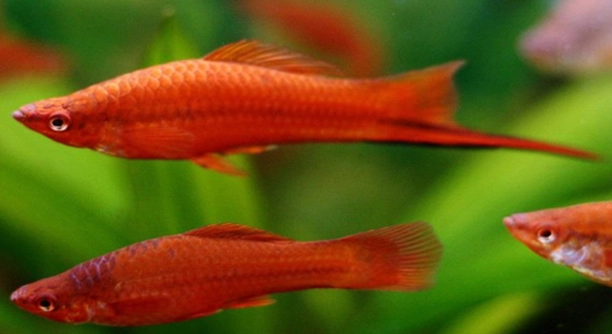
Swordtails are popular aquarium fish, known for their beautiful colors and playful nature. Many people love keeping them, but do they form connections with their owners or other fish? This article will explore that idea.
Swordtails do not exhibit complex emotional attachment in the same way humans or mammals do. However, they can recognize individuals, and some research suggests they may develop certain preferences for their environment and the fish around them.
While they may not form deep emotional bonds, there are interesting behaviors that suggest they can recognize their owners and form associations with their environment. Let’s look deeper into their social and behavioral patterns.
Swordtail Social Behavior
Swordtails are known to be relatively social fish, often swimming together in groups within their tank. They don’t usually engage in aggressive behavior unless there’s a shortage of space or resources. In the wild, they live in schools, which helps them feel safe from predators. In your aquarium, swordtails might display behaviors like following one another or staying close to others, which could be mistaken for attachment. However, it’s more about safety and comfort in numbers.
They may also interact with other tank mates, showing interest in their movements. This isn’t so much about affection as it is about curiosity and instinct. Swordtails, like other fish, are driven by the need to find food, avoid danger, and maintain their territory. These behaviors can sometimes give the impression that they have developed bonds with their companions, but it’s likely more about their natural social instincts.
Despite these behaviors, swordtails don’t typically form lasting connections with their owners. While they may come to recognize the person who feeds them, their actions are mainly guided by routine. Their interest in human presence often ties to food rather than emotional attachment, and this recognition tends to be more instinctual than affectionate. This is part of why many aquarium owners may feel that their swordtails show personality, even though these interactions are simply based on learned associations.
Recognizing the Owner
Swordtails may learn to associate their owners with feeding time. They can recognize movement and may even approach the tank when you come near. This behavior suggests that they are aware of you but not in an emotional way.
Over time, swordtails may start to swim closer to the surface or the front of the tank when they see their owner. It’s often a sign that they expect food, as they have learned to correlate your presence with feeding. This kind of behavior might give the impression that they have bonded with you, but it’s purely driven by instinct and routine. They might also show excitement when they notice you, especially during feeding times. However, this is an example of a learned response, not a real attachment.
As with many other fish species, swordtails can become accustomed to their feeding schedules. This regular routine is what likely leads them to “recognize” their owner. They don’t have the cognitive capacity to form deeper emotional connections like pets such as dogs or cats. The movements they make are usually the result of instinctual behavior geared toward survival and maintaining their environment. Recognizing a person and associating them with food is simply part of their natural learning process.
Swordtails and Their Tank Environment
Swordtails thrive in a well-maintained tank with plenty of hiding spots and space to swim. They enjoy calm water conditions and consistent temperature levels. A comfortable environment encourages them to exhibit natural behaviors, which may seem like attachment but are actually just instincts.
When swordtails feel safe and secure in their environment, they are more likely to swim actively and interact with their surroundings. They may explore the tank and even interact with other fish in a way that suggests bonding. This is more about establishing territory and staying within a safe space rather than emotional attachment. A well-set-up tank can make swordtails more active, giving the illusion of developing connections.
Their environment plays a huge role in how swordtails behave. Fish in poorly maintained tanks may show signs of stress, such as hiding or swimming erratically. When this happens, the lack of comfort can prevent any form of healthy social behavior. A happy, well-adjusted swordtail is one that feels safe in its environment, allowing it to swim confidently and interact with other fish in a way that’s natural.
Recognizing Patterns in Swordtail Behavior
Swordtails display a variety of behaviors that might seem like emotional connections. However, these patterns often come from natural instincts. For example, they may display aggression or territoriality when they feel their space is threatened. These actions are driven by survival instincts rather than attachment.
Swordtails may also interact with certain tank mates more than others. These preferences aren’t based on emotional bonds but on the fish’s instincts and social behaviors. They could form temporary associations with fish that share similar space or that interact in similar ways. However, these patterns are driven by comfort and safety, not deep emotional connections.
Interestingly, swordtails also display behavior that is more focused on their surroundings than on any particular fish. They will often swim around the tank or investigate new decorations. This behavior may seem like attachment, but it’s more about curiosity and instinct. Swordtails are social fish, but their interactions are driven by the need to be comfortable rather than form lasting emotional ties.
Swordtails and Their Feeding Behavior
Swordtails can recognize feeding time and often associate their owner’s presence with food. This recognition can make them seem more attached, but it is a learned response rather than an emotional bond. Their behavior is driven by the expectation of being fed, not affection.
As swordtails learn to associate you with food, they may swim to the front of the tank or become more active when you approach. This response is purely instinctual and focused on survival. They are simply anticipating their next meal. It’s important to understand that this behavior doesn’t indicate attachment but rather routine recognition.
Swordtails and Tank Mates
Swordtails can form temporary relationships with other fish, especially if they share the same tank space. While this might seem like attachment, it’s more about social behavior and territoriality. These relationships are based on the need for security rather than emotional connection.
Swordtails tend to interact with other fish in peaceful or competitive ways. If a swordtail feels threatened by a tank mate, it may show aggression, signaling a need for personal space. These interactions are instinctual and based on maintaining order within the tank. They are not driven by a desire to form bonds but by the fish’s natural behavior.
Understanding Swordtail Interaction
Swordtails often swim in groups, which may appear as if they are forming close bonds. However, their group behavior is more about safety than emotional connections. This instinct is common in many fish species and helps them avoid predators in the wild. It’s a survival mechanism, not attachment.
FAQ
Can swordtails recognize their owners?
Yes, swordtails can learn to recognize their owners over time, especially when feeding is involved. They associate you with food, which may cause them to swim to the front of the tank when you approach. However, this recognition is based on routine, not emotional attachment. They do not form bonds the same way pets like dogs or cats do.
Do swordtails get lonely?
Swordtails are social fish and feel more secure when kept in groups. While they may not experience loneliness in the way humans do, being kept alone can lead to stress and more aggressive behavior. It’s always a good idea to keep them in groups to maintain their well-being.
Can swordtails form bonds with other fish?
Swordtails can interact with other tank mates, but these relationships are more about social behavior and territory. They may swim together or show interest in each other, but it’s usually driven by the need for comfort and safety. They don’t form emotional bonds like mammals, but they do develop social structures in the tank.
Do swordtails have any attachment to each other?
Swordtails do not develop deep emotional attachment to one another, but they do display social behaviors that may make it seem like they do. They swim together in groups and engage in peaceful interactions, but these are based on their instincts and need for safety, not emotional attachment.
Why do swordtails follow each other?
Swordtails follow each other due to their instinct to stay safe in numbers. In the wild, being part of a school helps them avoid predators. In your aquarium, this behavior is similar—it’s not about forming bonds, but ensuring they feel secure in their environment.
Can swordtails form attachments to their tank environment?
Swordtails can become attached to their environment in a way that provides comfort and safety. They tend to swim around areas where they feel secure, such as near plants or decorations that offer cover. These preferences are more about survival than emotional attachment to the environment.
Do swordtails recognize other fish in their tank?
Swordtails can recognize and interact with other fish in their tank, especially if they’ve shared space for a while. They may form associations with certain fish, but these relationships are typically based on territory or proximity rather than emotional bonds.
Do swordtails show affection?
Swordtails do not show affection in the way we think of it. Their behaviors, like swimming close to other fish or following you to the tank, are mostly driven by survival instincts. While they may display curiosity or comfort, it’s not a sign of affection as humans experience it.
How can I tell if my swordtail is stressed?
Swordtails can show signs of stress through behaviors like hiding, erratic swimming, or loss of appetite. Stress can be caused by poor water quality, a lack of space, or incompatible tank mates. Ensuring a calm environment and proper care can help reduce these stress factors.
Can swordtails get attached to their owners?
Swordtails do not develop emotional attachment to their owners. They may recognize their owners, especially during feeding times, but this is a learned response rather than an emotional bond. Swordtails are instinct-driven, and their recognition is tied to routines and expectations.
How can I help my swordtail feel more comfortable?
Creating a comfortable and stable tank environment is key to swordtail happiness. Providing plenty of space to swim, hiding spots, and maintaining clean water conditions will help reduce stress. Swordtails prefer a calm tank, and ensuring they have compatible tank mates will improve their well-being.
Are swordtails territorial?
Swordtails can be territorial, especially in smaller tanks or if there isn’t enough space to swim. Males can become more aggressive toward one another during mating periods or when competing for territory. It’s important to have enough room and tank mates to help minimize territorial behavior.
How can I tell if my swordtail is happy?
A happy swordtail will swim actively and explore its tank. It will engage with its environment, swim in schools with other fish, and not show signs of stress. A healthy, well-maintained tank helps ensure that your swordtail stays comfortable and exhibits these positive behaviors.
Can swordtails bond with other species?
Swordtails can coexist with many species, but they don’t form emotional bonds with other types of fish. They may share space and even swim near other species, but their interactions are driven by the need for safety rather than attachment. Compatibility in the tank environment is important.
Do swordtails experience emotions like humans?
Swordtails do not experience emotions in the same way humans do. Their behavior is driven by instincts, such as the need for food, safety, and reproduction. While they may display curiosity or social behavior, these actions are not emotionally motivated in the way mammals form attachments.
Final Thoughts
Swordtails, like many other fish, do not form emotional attachments in the way mammals do. While they may seem to recognize their owners or interact with their tank mates, these behaviors are largely driven by instinct and survival. They learn routines, such as associating you with food, and may swim toward the front of the tank when they see you. However, this is a response based on their need for food rather than affection. Swordtails are not capable of forming bonds that involve deep emotional connections. Instead, they follow social patterns that help them feel secure in their environment.
The key to understanding swordtail behavior is to recognize that their interactions are based on natural instincts. They are social fish, which means they thrive in groups. Their swimming patterns and interactions with each other are often about safety and maintaining order within the tank. These fish may seem to form groups and “follow” one another, but this behavior is tied to their instinct to stay in numbers to avoid predators. The same goes for their recognition of their owners. Swordtails may come to the tank when they see you, expecting food, but this is not a sign of affection or attachment. It’s simply part of their learned behavior.
While swordtails might not form lasting emotional bonds like pets with more complex social behaviors, they do enjoy a peaceful and stable environment. A well-maintained tank with adequate space and compatible tank mates will ensure your swordtails are comfortable. Understanding their behaviors and natural instincts can help you create the best living conditions for them. Even if swordtails don’t develop attachments in the way we might expect, they still exhibit behaviors that make them interesting to observe and care for. They are low-maintenance, social fish that can thrive in the right environment, providing a rewarding aquarium experience for their owners.

Hello,
If you enjoy the content that we create, please consider saying a "Thank You!" by leaving a tip.
Every little bit helps us continue crafting quality advice that supports the health, happiness, and well-being of pets around the world, for pets of all shapes, sizes, and species.
We really appreciate the kindness and support that you show us!