
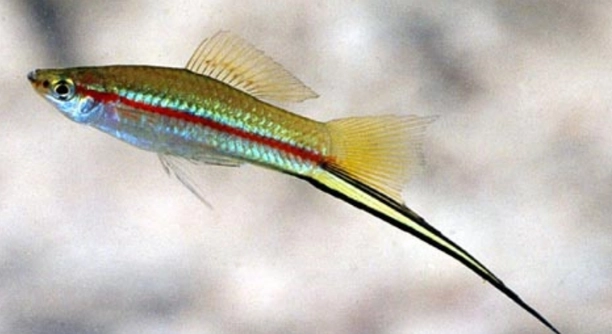
Do your swordtails often seem to spin around in circles, leaving you wondering if it’s something playful or a cause for concern?
Swordtails swim in circles due to a mix of natural behaviors and potential health issues. Common causes include mating rituals, territorial behavior, or even neurological problems. Observing other symptoms helps determine whether action is needed.
From understanding social signals to identifying possible warning signs, this guide will help you better care for your fish and their unique habits.
Common Reasons Swordtails Swim in Circles
Swordtails are active fish, and some circling can be normal. Males often chase females in a circular pattern during mating behavior. This is usually harmless and expected. Territorial behavior is another reason. If you have multiple males in one tank, they may circle each other as a sign of dominance. This type of swimming tends to happen during feeding times or when new fish are added to the tank. Environmental stress can also play a role. Poor water quality, lack of space, or sudden changes in temperature can affect how swordtails behave, including swimming in circles.
Circling that happens in short bursts during active hours is usually nothing to worry about. It may simply be part of how swordtails explore their space.
However, if the behavior seems constant or includes bumping into objects, rapid gill movement, or twitching fins, it could be a sign of something more serious. That’s when closer observation becomes important.
Health-Related Causes of Circling
Sometimes circling is not just behavioral. It may come from illness or injury, especially if the fish shows other changes.
Neurological problems can develop from infections, parasites, or even internal injuries. These issues often affect balance and coordination. You might also notice the fish swimming upside down or having trouble staying level. Infections that reach the brain can create these symptoms, and they tend to worsen without treatment. Another concern is swim bladder disease, which affects buoyancy. Affected fish might tilt to one side or appear stuck near the surface. Ammonia poisoning from poor tank conditions can also lead to erratic swimming. It’s helpful to test water parameters regularly. If multiple fish are acting strange, it may point to a bigger issue in the tank. When in doubt, separating the affected fish and consulting a vet or experienced aquarist can make a big difference.
How Tank Conditions Affect Behavior
Swordtails are sensitive to their environment, and poor tank conditions can influence how they swim. Ammonia spikes, low oxygen, or incorrect pH levels may lead to stress-related circling or other odd behaviors. Stable, clean water is key for maintaining their natural movements and overall health.
Make sure your tank is properly cycled before adding any fish. A good filtration system helps keep ammonia and nitrite levels down. Perform regular water changes—about 25% weekly—and test water parameters using a reliable test kit. The ideal water temperature for swordtails is between 72–82°F, with a pH around 7.0–8.3. If the water is too cold, they may become sluggish or act strangely. Crowding can also affect behavior. Too many fish in a small tank can increase aggression and trigger stress behaviors, including swimming in circles. Providing hiding spots and plants helps them feel secure and reduces tension between tank mates.
Lighting and noise levels also play a role. Sudden changes in lighting or placing the tank in a noisy area can disturb your fish and change how they behave. Swordtails prefer a calm, predictable setup. Keep lighting consistent and avoid loud vibrations near the tank. Minimizing stress helps keep their behavior steady and their health in good shape.
When to Be Concerned
If a swordtail swims in circles for long periods, especially while showing other symptoms like clamped fins or color loss, it’s a warning sign. Watch for changes in appetite, energy levels, and breathing. These clues help show whether it’s a simple habit or something more serious.
In cases where swimming patterns are unusual and last for more than a day or two, it may point to an internal issue. Parasites like flukes or protozoa can affect the nervous system, leading to disoriented movement. Look for other signs such as flashing, where the fish rubs against surfaces, or frayed fins. Bacterial infections may also impact coordination, especially if there’s bloating or red streaks on the body. Isolate any affected fish to prevent spread and monitor closely. A vet with aquatic experience can provide diagnosis and treatment. Medications may be necessary in some cases, but catching symptoms early gives your swordtail the best chance of recovering fully.
What You Can Do at Home
Start by testing your water parameters. Look for high ammonia, nitrites, or low oxygen. Fixing water quality often helps calm odd swimming. Make sure the temperature is steady and within the right range for swordtails.
Limit stress by keeping a regular light cycle and quiet surroundings. Avoid tapping the glass or moving decorations too often. Small changes can make a big difference in how your fish behave.
Preventing Future Issues
Set up your tank with enough space and hiding areas to help reduce stress and territorial fights. A minimum of 20 gallons is best for a small group of swordtails. Avoid overcrowding by following the one-inch-per-gallon rule and mixing sexes carefully. Quarantine new fish for at least two weeks before introducing them to the main tank. This keeps illnesses from spreading. Feed a balanced diet with a mix of flakes, vegetables, and protein. Overfeeding can cause water issues, so remove any uneaten food. Observe your fish daily. Small changes in behavior are easier to manage when noticed early. Regular tank maintenance, stable water quality, and calm conditions help keep swordtails healthy and swimming normally.
When to Get Help
If your fish keeps circling for days and you’ve checked the basics, it’s time to consult an aquatic vet or local expert.
FAQ
Can swordtails swim in circles just for fun?
Yes, sometimes they do. Swordtails are active and curious. If the tank is big enough and they seem healthy, swimming in circles can be a playful or natural way to explore. It’s often seen during feeding time or when they’re excited. As long as there are no signs of distress, it’s not a problem.
How can I tell if it’s mating behavior?
Mating behavior usually involves one male following or circling a female. You may see the male swim tightly around her or stay close behind. This is normal and often happens in cycles. If there are no signs of aggression or injury, it’s likely harmless courtship.
Is it bad if multiple swordtails swim in circles together?
Not always. Groups of swordtails may swim in circles as a way of establishing hierarchy or playing. But if there’s aggression, like nipping or chasing without pause, it could be a territorial issue. Make sure there’s enough space and hiding spots in the tank to break up tension.
Can lighting changes make swordtails act weird?
Yes. Sudden light changes can startle fish and affect their behavior. Try to use a timer so lights turn on and off gradually at the same time each day. Sudden brightness or darkness can cause them to panic, leading to erratic swimming like circling or darting.
Do I need to quarantine a circling swordtail?
Only if you see other signs of illness. These may include pale color, bloating, spots, clamped fins, or lack of appetite. If it’s just the circling and they’re eating and acting normal otherwise, watch closely but don’t move them yet. Quarantine is a good step if you suspect disease.
What diseases make swordtails swim in circles?
Swim bladder disease, parasitic infections, and neurological problems are common causes. Swim bladder issues affect balance, while parasites can irritate the brain or inner ear. Bacterial infections might also impact movement. Watch for more symptoms like floating oddly, scratching on surfaces, or changes in breathing speed.
How can I fix swim bladder problems?
Start by checking water quality. Then try feeding skinned peas, which can help with digestion. Avoid floating foods that cause gas. Isolate the fish if the issue lasts more than a few days. Sometimes, rest and a clean tank are enough. If not, consider contacting a vet.
Should I remove decorations if my fish swims oddly?
Only if you see your fish hitting or getting stuck in decorations. Sharp or small items can hurt them if they lose control while swimming. Smooth, rounded, and properly spaced decorations are safest. Also, avoid overcrowding the tank with too many objects—this can cause confusion or stress.
Do swordtails need tank mates to act normally?
They prefer some company. Swordtails are social fish and feel more comfortable in groups. Being alone may cause stress or strange behavior. However, too many fish or too many males can cause fighting or chasing. A good mix helps them act naturally without issues.
How often should I check water quality?
Weekly is ideal. Test for ammonia, nitrites, nitrates, pH, and temperature. If your fish act odd or if you add new fish, test more often. Water problems are a top reason swordtails behave strangely. Clean water helps prevent stress and health issues that lead to circling.
Can swordtails recover from health problems that cause circling?
Yes, if you catch it early. Many fish improve with cleaner water, reduced stress, and proper treatment. Monitor your fish daily, act quickly if something seems off, and ask for help if needed. Recovery depends on how fast you notice changes and respond to them.
Final Thoughts
Swordtails are active and interesting fish that often display unique behaviors. Swimming in circles is one of those behaviors that can seem confusing at first. In some cases, it’s completely normal and just part of how they interact with their environment or other fish. Mating, curiosity, or even playing can cause them to swim this way. It becomes more concerning when the circling doesn’t stop, or when it’s paired with other unusual signs like color changes, lack of appetite, or difficulty swimming. That’s when it’s important to take a closer look at what might be going wrong in the tank.
Keeping swordtails healthy starts with good tank conditions. Clean water, stable temperature, and enough space all make a big difference in their behavior and well-being. Regular testing helps catch problems early before they lead to illness. Avoid sudden changes in lighting or tank layout, and try to keep a consistent routine. Feeding a balanced diet and avoiding overfeeding can also prevent health issues. Taking small steps to reduce stress can help your fish feel secure and behave more naturally. Watching your swordtails closely each day makes it easier to spot changes and take action when needed.
Not every odd behavior is a sign of something serious, but it’s always better to be cautious. If your swordtail swims in circles for more than a short time or if others start acting strangely, it’s a good idea to observe more closely and check your setup. Most problems can be fixed with early care and a few changes to the tank. And if things don’t improve, there’s nothing wrong with asking for help from a vet or a local expert. Taking these steps helps ensure your fish live in a clean, safe, and stable environment. With proper care and attention, swordtails can stay healthy and active for a long time.

Hello,
If you enjoy the content that we create, please consider saying a "Thank You!" by leaving a tip.
Every little bit helps us continue crafting quality advice that supports the health, happiness, and well-being of pets around the world, for pets of all shapes, sizes, and species.
We really appreciate the kindness and support that you show us!