
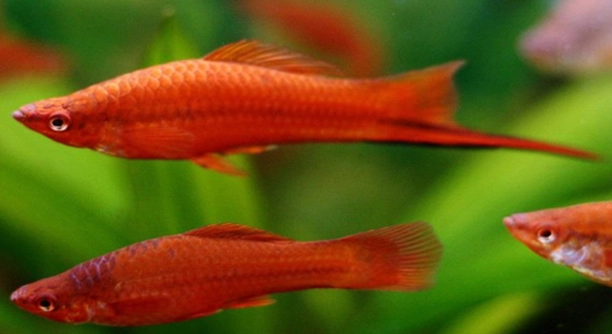
Caring for fish can be a rewarding experience, especially when it comes to species like swordtails. As you spend time with them, you may wonder if they can recognize you or form a bond.
Swordtails have shown the ability to recognize familiar individuals through their senses, such as sight and smell. This recognition allows them to respond differently to their owners compared to strangers, suggesting a level of bonding and familiarity.
Understanding how swordtails recognize their owners helps improve the relationship between them and their keepers. It also allows for better care and interaction in an aquarium setting.
Can Swordtails Recognize Their Owners?
Swordtails are fascinating creatures with unique behaviors that many fish owners find intriguing. When you spend time with your swordtails, you may notice that they react differently to you than to other people. This could be a sign that they are recognizing you. Fish, like swordtails, use various senses to identify familiar individuals. They can recognize their owners through visual cues, such as the shape or movement of your body, and through smell, as they are sensitive to chemicals in the water.
Fish behavior, especially in swordtails, shows they can learn and adapt over time. Swordtails may associate you with feeding time or regular tank cleaning. This positive reinforcement strengthens their recognition of you, leading them to approach or stay near you when you’re present. It’s possible that the relationship you share with your swordtails extends beyond just feeding them.
Once swordtails recognize their owners, they might display specific behaviors like following them around the tank or coming to the surface when they approach. This indicates a level of comfort and trust in their environment, built over time. Recognizing their owner could be a sign that swordtails experience some form of attachment, though this attachment isn’t as complex as what humans experience. Their recognition is based on simple learned responses rather than deep emotional connections.
Factors Affecting Recognition
Swordtails’ ability to recognize their owners can vary depending on several factors. These factors include the frequency of interaction and the consistency of care they receive.
Fish that are consistently cared for are more likely to develop a sense of recognition. Swordtails that are fed regularly by a specific person, for example, are likely to associate that person with food. The frequency and quality of interaction—such as when they are handled or interacted with during cleaning—also help strengthen their bond. Fish are creatures of habit, and the more predictable the routine, the more likely they are to recognize their owner. Regular interaction builds trust, making your swordtails feel more secure in their environment.
In addition to consistent care, the environment around the swordtails can play a role. A calm and stable environment encourages swordtails to engage with their owners. When the water parameters (like temperature and cleanliness) are stable, swordtails may be more willing to recognize the person who tends to their needs. This recognition grows stronger when they feel safe and secure in their habitat.
Swordtail Behavior and Responses
Swordtails can display unique behaviors based on their interactions with their owners. These responses are not just limited to feeding time, but can be seen during regular tank maintenance as well.
When swordtails recognize their owners, they may swim toward them or hang around the surface, especially when they are fed or receive attention. They might also approach you when you clean their tank or perform any other task they associate with positive outcomes. This behavior indicates that the swordtail has learned to connect you with the actions that improve its environment. Over time, swordtails may even show signs of calmness or excitement when you are near, as they become familiar with your presence. These responses go beyond simple survival instincts.
The swordtail’s behavior is a direct result of associative learning. Over time, they begin to trust you based on experiences tied to their care. Their response to your presence can vary depending on the frequency of your interactions, making them more likely to recognize and seek your attention when they are in need of something. Recognizing their owners is also an important aspect of creating a bond with the fish, even though the bond is not emotional in the way humans form attachments.
The Science Behind Recognition
Swordtails recognize their owners through a combination of senses, primarily sight and smell. These senses allow them to distinguish between familiar and unfamiliar individuals.
Swordtails, like many other fish species, have a well-developed sense of smell. They can detect pheromones and chemicals in the water, which helps them identify both other fish and their owners. Their sense of sight is also quite sharp, enabling them to recognize visual cues that are associated with certain behaviors or routines. If you approach the tank in a specific way, the swordtails may learn to associate your movements with positive experiences, like feeding or tank cleaning. This form of recognition is driven by their instinct to respond to stimuli that affect their well-being.
Recent studies show that fish, including swordtails, are capable of associative learning. This means they can remember past experiences and associate certain individuals with specific outcomes. The brain of a swordtail is wired to respond to patterns and repetition, allowing them to recognize not just the shape of their owner, but also other factors, like the sound or the movement that typically accompany feeding. As a result, swordtails can adapt and react in ways that seem quite intentional, highlighting their ability to recognize and engage with familiar people.
How Recognition Affects Their Behavior
When swordtails recognize their owners, their behavior changes in subtle ways. They are more likely to approach you or react to your presence during specific routines.
Swordtails can become more active when they see their owners. They might swim toward the glass or follow your movements around the tank. This behavior suggests that they have learned to associate you with something positive, like feeding or attention. These little signs are ways they show familiarity and comfort.
Factors That Influence Swordtail Recognition
Swordtails’ recognition of their owners can be influenced by several factors. The consistency of care plays a big role in how they identify and respond to you.
Fish thrive on routine, and swordtails are no different. If you consistently care for them at specific times or handle them in the same way, they can recognize the patterns and associate them with certain experiences. The more frequently you interact with them, the more likely they are to become familiar with your presence.
FAQ
Can swordtails recognize other fish?
Swordtails are capable of recognizing other fish, especially those that have been in the same tank for a long time. They can distinguish between familiar tankmates and newcomers. This recognition helps swordtails navigate their environment and maintain their social dynamics. They tend to form groups with other familiar fish, displaying behavior such as schooling or resting together. New fish may be met with curiosity or even aggression, depending on the species and size of the group.
How long does it take for swordtails to recognize their owners?
Swordtails can start recognizing their owners within a few weeks, depending on how often they interact with them. If you consistently feed them, clean their tank, or engage in other routines, they will begin to associate your presence with those actions. It’s important to build a consistent and calm routine. Swordtails are creatures of habit, and once they become familiar with your actions, they will begin to recognize you more clearly. The more interactions you have, the faster the recognition process will happen.
Do swordtails remember their owners?
Yes, swordtails can remember their owners for a certain period of time. They have a memory capacity that allows them to recognize familiar individuals and associate them with specific experiences. This is especially true when the interaction involves feeding or other positive experiences. While their memory may not last as long as that of a mammal, they can remember you for as long as the routine stays consistent. If you stop interacting with them for an extended period, they may not recognize you as easily.
Do swordtails form bonds with their owners?
Swordtails do not form bonds in the same way humans or even some mammals do. However, they can form a type of attachment based on recognition and positive reinforcement. They may associate you with food or other rewarding experiences, leading them to react positively when you approach the tank. While the emotional depth of their attachment is not comparable to that of more complex animals, swordtails are capable of developing a sense of familiarity and comfort with their owners.
How can I improve my relationship with my swordtail?
To improve your relationship with your swordtail, consistency is key. Feed them at regular times and engage in gentle tank maintenance routines. Swordtails thrive in stable environments, so maintaining clean water, stable temperatures, and good tank conditions helps them feel comfortable and more likely to recognize you. You can also spend time near the tank, interacting with your swordtail through the glass. This helps them get used to your presence and may improve the bond over time.
Can swordtails be trained to interact with their owners?
Swordtails can be trained to some extent, although their learning is more about routine and associations rather than complex tasks. You can train them to recognize certain cues, such as the sound of food being prepared or your hand approaching the tank. Over time, swordtails will learn to associate these cues with positive experiences and may respond by swimming towards you or becoming more active when they hear or see you. Keep training sessions short and consistent for the best results.
Do swordtails have a memory span?
Swordtails have a memory span that lasts for several weeks to a few months. Their memory isn’t as long-lasting as that of some animals, but they can remember familiar sights, sounds, and smells associated with their owner or tank routines. If they are frequently interacted with and have positive experiences, their recognition of you will remain strong for as long as the environment stays consistent. Changes in tank conditions or the absence of regular interaction could impact their ability to recognize you over time.
Can swordtails become stressed by their owners?
Swordtails can become stressed by sudden or inconsistent interactions with their owners. If their routines are disrupted or if they are handled too roughly, they may show signs of stress, such as hiding, erratic swimming, or loss of appetite. It’s important to approach them gently and avoid startling them. Maintaining a calm, predictable routine will help reduce the chances of stress. Swordtails are sensitive to their environment, so changes like loud noises or unfamiliar objects near the tank can also cause them anxiety.
Do swordtails show affection to their owners?
Swordtails do not show affection in the same way that pets like dogs or cats do. However, they can display signs of comfort and familiarity when they recognize their owner. They may swim towards you or follow your movements around the tank. These behaviors suggest that swordtails feel comfortable in your presence, though they do not have the emotional depth to show affection in a human sense. Instead, their reactions are based on learned behaviors and positive experiences associated with your presence.
What should I do if my swordtail stops recognizing me?
If your swordtail seems to stop recognizing you, it could be a sign that your interactions have decreased or their environment has changed. Make sure you are consistently caring for them and maintaining the tank in a way that promotes stability. If you’ve been away or have altered their routine, it might take some time for them to reconnect with you. Return to regular feeding and tank maintenance routines, and give them time to re-establish their connection with you. Keep in mind that swordtails are creatures of habit, and they will likely come around once the routine is consistent again.
Can swordtails get bored of their owners?
Swordtails don’t get bored of their owners, but they can become less responsive if they are not stimulated or if their environment becomes monotonous. To keep your swordtail engaged, ensure they have enough space to swim and explore. Adding plants, decorations, or new tank mates can help keep things interesting. While swordtails don’t form deep emotional bonds, they do appreciate a stable and engaging environment. If you notice your swordtail becoming less responsive, consider mixing up their tank setup or providing new stimulation to keep them active.
Final Thoughts
Swordtails have shown that they can recognize their owners through sight, smell, and behavior. While their ability to form emotional bonds like humans is limited, they do respond to consistent care and routines. The connection they develop with their owners is based on learned associations, primarily tied to positive experiences like feeding or maintaining their environment. Over time, swordtails may approach their owners or swim toward them, indicating recognition. This behavior is a reflection of their trust and comfort in their environment, although it differs significantly from the way mammals or more complex animals bond emotionally.
It’s important to remember that swordtails are creatures of habit. They thrive on consistency, which helps them feel secure and more likely to recognize the person caring for them. Factors such as regular feeding, stable water conditions, and consistent interaction can make a difference in how quickly they learn to identify their owners. While the bond is not as deep as it might be with a pet like a dog or cat, the recognition is still meaningful for both the fish and the owner. With the right care, swordtails can develop a level of attachment that makes their presence in your home more rewarding.
Taking care of swordtails involves understanding their behaviors and learning how to interact with them in ways that make them feel comfortable. Creating a stable and predictable environment is key to ensuring that they continue to recognize and respond to you. While they may not show affection the way other pets do, their recognition and comfort with you is a sign of the bond that can form with consistent care. As with any pet, spending time and attention on their well-being can lead to a positive relationship between you and your swordtails.

Hello,
If you enjoy the content that we create, please consider saying a "Thank You!" by leaving a tip.
Every little bit helps us continue crafting quality advice that supports the health, happiness, and well-being of pets around the world, for pets of all shapes, sizes, and species.
We really appreciate the kindness and support that you show us!