
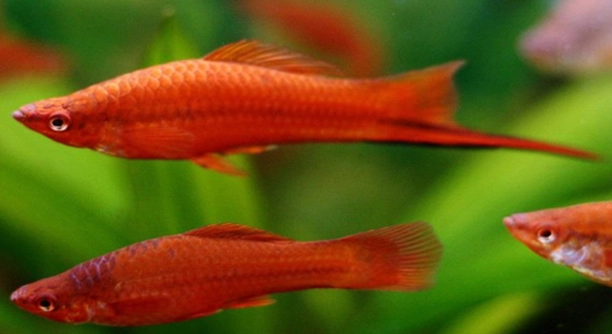
Swordtails are popular aquarium fish known for their vibrant colors. However, many aquarists notice that over time, their swordtails may begin to lose their bright hues. Understanding why this happens can help improve their care.
Swordtails can fade in color due to factors such as poor water quality, inadequate nutrition, or stress. These factors can negatively affect their health, causing them to lose their vivid colors and appear dull.
Identifying these causes and making the right changes can help your swordtails regain their natural vibrancy and overall well-being.
Why Water Quality Matters for Swordtail Color
Swordtails are sensitive to their environment, and water quality plays a huge role in how they maintain their color. Poor water conditions, such as high levels of ammonia or nitrites, can stress fish and cause them to lose their vibrancy. When water is dirty or unbalanced, swordtails have to expend more energy just to stay healthy, which can drain their resources needed for color expression. Keeping the water clean and ensuring the proper pH levels are maintained can prevent this issue.
The best way to avoid color fading is by regularly testing the water and performing partial water changes to keep the tank clean. Healthy water leads to healthy fish, and swordtails with optimal living conditions will likely retain their bright colors.
The water should be kept between 75°F and 82°F with a neutral to slightly alkaline pH. Filtration should be sufficient to handle the waste produced by the fish. Without these conditions, your swordtails may look dull, no matter how well you care for them.
Feeding Swordtails Properly
Poor nutrition can also contribute to a swordtail’s fading colors. These fish thrive on a varied diet of high-quality flakes, pellets, and occasional live food like brine shrimp. A lack of essential nutrients, such as carotenoids, can cause their colors to dull.
A diet that includes vitamin-rich foods can help maintain or enhance their color. Swordtails need protein, fats, and the right mix of vitamins and minerals to stay vibrant.
Stress and Swordtails
Stress is a major factor in the fading of swordtail colors. When fish are stressed, their body goes into survival mode, prioritizing health over appearance. Common stressors include overcrowding, poor tank mates, or sudden changes in their environment. This leads to the fish expending energy on coping rather than maintaining their bright colors.
Swordtails are particularly sensitive to changes in their environment. If there are too many fish in the tank, they might feel threatened and lose their vibrant hues. Stress can also result from aggressive tank mates, which can lead to constant tension.
To keep your swordtails calm, make sure the tank is appropriately sized and that they’re not fighting with other fish. They should have enough space to swim freely and avoid aggressive tank mates. A calm, stable environment will help preserve their natural colors.
Genetics and Color Fading
Genetics can also play a role in color fading. Some swordtails are naturally more vibrant than others, and their genetics will determine how bright their colors will be over time. If you’re breeding swordtails, it’s important to be aware that some lines may be prone to duller colors as they age.
Genetics can’t be changed, but you can choose breeding pairs with more vivid coloration. If your swordtails are fading, their genetics may simply be at play, and improving their care won’t necessarily restore their color. Nonetheless, focusing on water quality and a healthy diet can still help bring out their best appearance.
Lighting and Swordtail Color
Lighting can impact the vibrancy of your swordtails. Too much or too little light can affect how their colors appear. Harsh lighting can stress them, while dim lighting may make their colors appear less intense.
Swordtails thrive in moderate lighting. Overexposure to bright lights can lead to stress and color loss, while poor lighting can make their colors look muted. Using adjustable lighting will help keep their environment stable, preventing any color fading due to improper light exposure.
Tank Size and Swordtail Health
A small tank can lead to stress, overcrowding, and poor water quality. Swordtails need space to swim freely, and without it, their health and coloration can suffer.
A 20-gallon tank or larger is recommended for a small group of swordtails. With enough space to swim and explore, they’re less likely to feel stressed, and their colors will stay vibrant. Avoid overcrowding to maintain a healthy environment for your fish.
FAQ
Why are my swordtails losing their color?
Swordtails lose their color for various reasons, including poor water quality, improper lighting, stress, and poor diet. If the water is too dirty or the pH is unbalanced, your fish may become stressed, which leads to duller colors. Lighting that’s too bright or too dim can also cause the colors to fade. Additionally, if swordtails are not fed a balanced diet with enough nutrients, especially carotenoids, their natural vibrancy will diminish. Stress from overcrowding or incompatible tank mates can also contribute to color loss.
How can I improve the color of my swordtails?
Improving water quality is one of the first steps. Regular water changes, monitoring pH levels, and using a good filtration system will help your swordtails maintain their color. Feeding them a varied and balanced diet, including live food and color-enhancing pellets, will also support vibrant coloration. Reducing stress by providing a spacious tank with compatible tank mates and proper lighting can further prevent color fading.
Do swordtails need a specific type of lighting?
Yes, swordtails benefit from moderate lighting. Too much light can stress them, while too little can make their colors appear dull. You should aim for a natural, balanced lighting setup with around 8 to 12 hours of light each day. If you use a bright tank light, consider adding plants or decorations to provide shaded areas where the fish can retreat if needed.
Can stress cause swordtails to lose their color?
Absolutely. Stress from various factors, such as overcrowding, aggressive tank mates, or sudden changes in water parameters, can lead to swordtails losing their vibrancy. When fish are stressed, they prioritize survival over appearance, which can cause their colors to fade. Creating a peaceful tank environment with enough space and compatible companions will help prevent stress-related color loss.
Is it possible for swordtails to regain their color?
Yes, with the right care, swordtails can regain their color. If the main cause is poor water quality, adjusting the tank environment by cleaning it and adjusting parameters should lead to improvements in their color. A proper diet rich in nutrients like carotenoids, as well as reducing stress and ensuring optimal lighting, will also help restore their natural vibrancy.
How often should I change the water in my swordtail tank?
Water changes are crucial to maintaining a healthy environment for your swordtails. Ideally, perform a 25-30% water change once a week. This helps keep ammonia and nitrate levels under control, which can prevent stress and discoloration in your fish. If the tank is heavily stocked or the water quality declines faster, you may need to change the water more frequently.
Can poor nutrition cause swordtails to lose color?
Yes, poor nutrition can lead to fading colors. Swordtails need a well-rounded diet that includes high-quality flakes, pellets, and occasional live food. Without the right nutrients, especially carotenoids, swordtails won’t be able to maintain their vibrant hues. A proper diet is key to their overall health and appearance, so feeding them the right food will help keep them colorful.
Are swordtails more prone to color fading as they age?
Swordtails can lose some of their vibrancy as they age, but this is often more noticeable in fish with poor genetics. If your swordtail is aging and losing color, it could be a natural part of the aging process. However, proper care, a balanced diet, and a stress-free environment can slow down or prevent excessive color fading.
Can I add any supplements to help improve swordtail color?
Yes, there are color-enhancing fish supplements available that contain carotenoids, particularly astaxanthin, which is known to improve the color of red and orange fish like swordtails. However, supplements should not replace a balanced diet. A combination of proper nutrition and a healthy environment is the best way to improve and maintain your swordtail’s color.
How can I tell if my swordtails are stressed?
Stressed swordtails may exhibit several signs, including rapid gill movement, swimming erratically, hiding more than usual, or changing color. They may also display faded or dull colors, which is often a sign that their body is prioritizing survival over appearance. Reducing stress factors like tank overcrowding, water quality issues, and incompatible tank mates can help reduce these symptoms.
Can temperature affect the color of my swordtails?
Yes, temperature can influence the color of swordtails. They prefer water temperatures between 75°F and 82°F. If the water is too cold or too hot, it can cause stress and affect their overall health, including their coloration. Maintaining a stable and appropriate water temperature is essential for the fish’s well-being and appearance.
Can swordtails lose their color due to genetics?
Genetics can play a role in how vibrant a swordtail’s colors are. Some swordtail strains may naturally have less intense coloration due to their genetic makeup. If you notice that your swordtails are consistently losing their color despite proper care, it might be related to their genetics. Breeding for more vibrant coloration can be an option if you want to see brighter hues in future generations.
Final Thoughts
Swordtails are beautiful and vibrant fish, but several factors can lead to their color fading over time. It’s important to understand that maintaining the right conditions for your swordtails is crucial to keeping them healthy and colorful. Water quality, lighting, stress levels, and diet all play significant roles in how bright and healthy your swordtails will appear. If any of these factors are off, you may start noticing dull colors, which can be disappointing for anyone who loves seeing their fish in full color.
Improving your swordtails’ environment can help restore or maintain their vibrancy. Regular water changes, proper filtration, and monitoring water parameters like pH and temperature will go a long way in ensuring your fish thrive. When feeding, be sure to offer a balanced diet that includes high-quality fish food and live foods that are rich in nutrients, especially carotenoids. Stress management is also essential; swordtails need a calm and stable environment, which includes avoiding overcrowding and choosing peaceful tank mates. These small adjustments will help maintain the natural beauty of your swordtails and prevent them from losing their vibrant colors.
While some swordtails may fade due to natural aging or genetics, taking care of their basic needs will give them the best chance at a long, colorful life. By providing the right conditions, a varied diet, and a peaceful tank environment, you can enjoy the beauty of your swordtails for years to come. So, if you notice fading colors, take a closer look at their care routine. With the right attention, swordtails can regain their vibrancy and continue to be a stunning addition to your aquarium.

Hello,
If you enjoy the content that we create, please consider saying a "Thank You!" by leaving a tip.
Every little bit helps us continue crafting quality advice that supports the health, happiness, and well-being of pets around the world, for pets of all shapes, sizes, and species.
We really appreciate the kindness and support that you show us!