
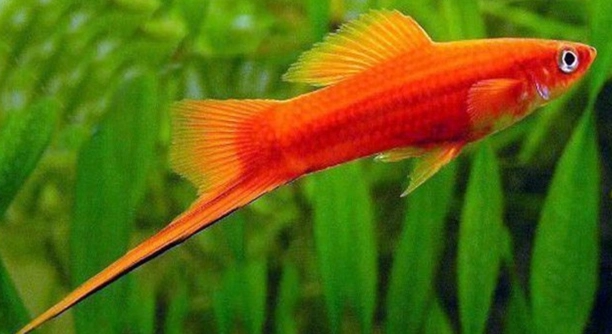
Swordtails are popular aquarium fish, known for their lively personalities and colorful tails. However, many owners face a frustrating issue: their swordtails refuse to mate. This behavior can be puzzling and concerning.
There are several reasons swordtails may refuse to mate, including poor water conditions, stress, lack of suitable mates, or environmental factors. Inadequate nutrition or an imbalanced male-to-female ratio can also impact their breeding behavior.
Understanding the factors that influence swordtail mating can help you create a better environment for them. This article will explore the common reasons behind their refusal to mate and how to address the issue effectively.
Poor Water Conditions
Water quality is crucial for swordtail health and breeding success. If your tank has high levels of ammonia, nitrites, or nitrates, swordtails may refuse to mate. Dirty water can cause stress and reduce their desire to breed. Inconsistent water temperatures or pH levels can also disrupt their mating behavior.
Water conditions should be closely monitored to ensure your fish are comfortable. Test the water regularly for ammonia, nitrites, and nitrates. Swordtails prefer a slightly acidic to neutral pH, with a temperature range of 72-82°F. Cleaning your tank frequently will help keep the environment healthy for breeding.
Maintaining proper water conditions not only keeps your swordtails happy but also increases the chances of successful mating. When the water is clean and stable, the fish will feel more secure and less stressed. Stress can cause swordtails to become less active, even to the point of not breeding. So, keeping the water pristine should be your first step in encouraging mating behavior.
Stress or Fear
Stress can also prevent swordtails from mating. Constant disruptions, like loud noises or aggressive tank mates, may make them feel unsafe. Swordtails will avoid mating if they feel threatened or stressed.
Reduce stress by providing plenty of hiding spots and ensuring peaceful cohabitation with other fish. Swordtails thrive in calm environments where they don’t feel the need to hide or flee from danger.
Improper Male-to-Female Ratio
If you have too many males in the tank, it can lead to aggression and competition. Male swordtails tend to fight for the attention of females, which can make the females feel stressed and less likely to mate. Ideally, there should be two females for every male to maintain balance.
A male-to-female ratio of 1:2 creates a more relaxed environment. When males are not constantly vying for the attention of a single female, they are less stressed, and the females are more likely to engage in mating. Stress can harm their health, so providing a balanced ratio is crucial for successful breeding.
Males often chase females and display their tails to attract mates. However, when there is too much competition, it can cause the females to become more defensive and withdraw. Reducing the number of males will allow the females to feel safer, leading to a higher chance of mating. Be sure to observe their behavior closely to ensure a harmonious environment.
Lack of Suitable Mates
Swordtails can be selective when choosing mates. If the fish are too young, too old, or not showing the right mating behaviors, it could affect their ability to breed. Mating usually happens when both partners are ready.
A healthy pair of swordtails needs to be in the right age range for mating. Swordtails often begin breeding at around six months of age. If they are too young or too old, they may not be interested in mating. If you’re not seeing any mating behavior, make sure you have healthy, mature fish.
Additionally, females may refuse to mate if they feel their mate is not a good match. This is often due to the male’s inability to show proper courting behavior or display vibrant colors. Males need to be active, colorful, and confident to attract females. Consider changing your breeding pair if you’re not seeing mating behavior.
Poor Diet
Swordtails need a balanced diet to maintain their health and breeding behavior. A lack of essential nutrients can lower their energy levels and reduce their interest in mating. Make sure your fish are getting a mix of high-quality flake food, frozen or live foods, and occasional vegetable matter.
Overfeeding or underfeeding can also contribute to health problems. When swordtails aren’t properly nourished, their reproductive systems can suffer. A poor diet can lead to poor growth, weakened immune systems, and a lack of breeding readiness. Offering variety in their meals helps to keep them healthy and active.
Feeding them a nutritious diet promotes better overall health, which directly influences their ability to mate. Healthy fish are more likely to engage in breeding behavior, as they will have the energy and vitality needed for successful reproduction. Adjust their diet to ensure they get all the nutrients they need for breeding success.
Temperature Stress
Swordtails are sensitive to temperature changes. When the water temperature is either too high or too low, they may not mate. A stable temperature between 72°F and 82°F is optimal for their breeding.
Temperatures outside this range can cause stress, which negatively impacts their desire to mate. Always use a reliable heater to maintain the water at a consistent temperature to keep your swordtails comfortable.
FAQ
Why are my swordtails not mating?
Swordtails may not be mating due to stress, poor water conditions, improper male-to-female ratios, or unsuitable mates. High levels of ammonia or nitrites in the water, improper temperature, or an unbalanced diet can also cause them to avoid breeding. Ensure that the water is clean, the temperature is consistent, and that the fish are healthy and well-fed. Also, check the male-to-female ratio and make sure you have mature, active fish that are ready to mate.
How do I know when my swordtails are ready to breed?
Swordtails typically reach breeding maturity at around six months of age. Female swordtails will become noticeably rounder when carrying eggs, while males will display their sword-like tails and engage in courtship. If the fish are healthy, have a proper diet, and are in the right water conditions, they will naturally show interest in mating. Look for active, colorful males that chase females, as this is a sign they are ready.
What is the best water temperature for swordtails to mate?
Swordtails prefer a water temperature between 72°F and 82°F. If the water is too hot or too cold, it can cause stress, which will deter them from mating. Maintaining a stable water temperature within this range is key to creating the optimal environment for breeding. Use a reliable aquarium heater to ensure the temperature remains constant.
Can swordtails breed in a community tank?
Yes, swordtails can breed in a community tank as long as the other fish are not aggressive and the tank is large enough to accommodate them. However, aggressive species or overcrowding can cause stress, which can prevent breeding. It’s important to monitor the tank conditions and ensure the swordtails are not being harassed by other fish. If you’re trying to breed swordtails, consider having a separate breeding tank where they can mate in peace.
What should I do if my swordtails are fighting?
Fighting is common when there is an imbalance in the male-to-female ratio or if the males are overly aggressive. To reduce fighting, increase the number of females or separate overly aggressive males. Providing plenty of hiding spots in the tank can also help to reduce stress and give the fish a chance to retreat if they feel threatened. In some cases, giving the males space by reducing the number of males in the tank may encourage more peaceful behavior.
How often do swordtails breed?
Swordtails can breed frequently if the conditions are right. In the wild, they breed every 4-6 weeks, but in a tank, it may be more or less depending on the environment. Maintaining stable water conditions, a healthy diet, and a proper male-to-female ratio can encourage more frequent breeding. Female swordtails can store sperm for several months, so they may continue to have babies even if a male is not present for a while.
Why isn’t my female swordtail giving birth?
If your female swordtail is not giving birth, it could be due to several reasons. She may not be fully ready, or the water conditions might not be ideal. Make sure the water temperature is stable, the water quality is good, and the female has had adequate time to develop the fry. Sometimes, stress from overcrowding or poor tank mates can delay or prevent birth. If she is carrying eggs but hasn’t given birth, be patient—sometimes it can take a bit longer than expected.
How can I increase the chances of swordtail breeding?
To increase the chances of successful swordtail breeding, ensure that the tank is spacious, clean, and has the proper water temperature. Provide a balanced diet with a mix of high-quality flakes, live or frozen foods, and occasional plant matter. Maintaining the right male-to-female ratio (2 females for every male) reduces stress and encourages mating. Adding plants and hiding spots can also help create a more natural environment, which can make the fish feel more comfortable and less stressed.
Do swordtails breed easily?
Swordtails are relatively easy to breed, provided their environment is suitable. They are livebearers, meaning they give birth to fully developed fry rather than laying eggs. Swordtails breed quickly, and a healthy pair can produce multiple batches of fry over a few months. However, factors such as water quality, temperature, and diet play a significant role in successful breeding. If these conditions are not met, breeding may be delayed or even avoided.
Can swordtail fry survive in the tank with the adults?
Swordtail fry can survive in the tank with the adults, but they are at risk of being eaten by the adults. To protect the fry, provide plenty of hiding spots, such as plants or decorations, where they can escape from the adults. In some cases, setting up a separate breeding tank for the female to give birth can ensure better survival rates for the fry. Once the fry are old enough to fend for themselves, you can move them back to the main tank.
Why isn’t my swordtail male displaying colors?
If your swordtail male is not displaying vibrant colors, it could be due to poor water conditions, stress, or an improper diet. Male swordtails show their brightest colors during mating displays to attract females. If the fish are stressed, such as from poor water quality or aggression from other fish, they may not exhibit their usual colorful patterns. Ensure the water is clean, the tank is peaceful, and that the fish are well-fed to encourage healthy coloration.
Do swordtails need a lot of space to breed?
Swordtails don’t require a huge amount of space to breed, but they do need enough room to feel comfortable. A tank of at least 20 gallons is recommended for a small group. A larger tank provides more space for the fish to swim and reduces stress, which can help with breeding. Overcrowding can lead to aggression and poor water quality, so it’s important to avoid a cramped environment. Providing adequate space will also give the fry room to grow without being eaten by adults.
Final Thoughts
Understanding why swordtails refuse to mate can help improve their environment and increase the chances of successful breeding. Swordtails are relatively easy to breed when their needs are met. Factors like water quality, temperature, diet, and a balanced male-to-female ratio all play an important role in encouraging breeding behavior. Stress is a major factor that can discourage mating, so it’s essential to ensure that your fish feel safe and secure in their environment. This means keeping the tank clean, providing enough hiding spots, and making sure there is a healthy balance in the tank.
Another crucial factor is the diet you provide for your swordtails. A well-balanced diet full of essential nutrients helps them stay healthy and maintain the energy needed for reproduction. Swordtails can be picky about their mates, and the males need to be healthy and vibrant for the females to show interest. If the males are too aggressive or not showing proper courtship behavior, the females may not want to mate. Ensuring that your fish are in the right age group and have proper nutrition will help them reach their breeding potential.
Lastly, patience is key when it comes to swordtail breeding. Even when you create the perfect environment, there may still be times when mating doesn’t happen immediately. Swordtails are livebearers, meaning they give birth to fully developed fry, and sometimes the females need more time before they are ready. By monitoring your fish regularly, maintaining good tank conditions, and offering a varied diet, you can give your swordtails the best chance for successful breeding. While it may take time, with the right setup, swordtails will eventually thrive and reproduce.

Hello,
If you enjoy the content that we create, please consider saying a "Thank You!" by leaving a tip.
Every little bit helps us continue crafting quality advice that supports the health, happiness, and well-being of pets around the world, for pets of all shapes, sizes, and species.
We really appreciate the kindness and support that you show us!