
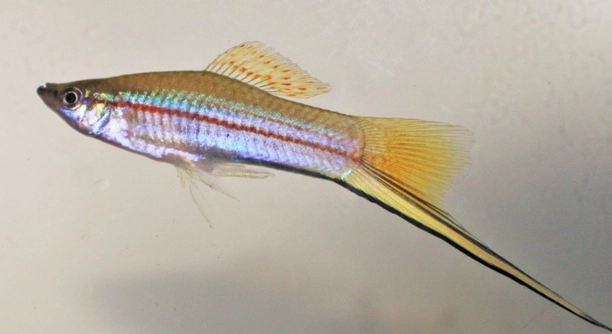
Transporting swordtails requires careful consideration to ensure their safety and well-being. Whether you’re moving them to a new tank or to a new home, proper transportation is key to minimizing stress.
To safely transport swordtails, use a secure, properly-sized container with adequate water from their current tank. Keep the water temperature consistent, provide adequate oxygen, and limit handling to avoid stress. Minimize movement during the transport process.
By following these simple steps, you can ensure a safer and less stressful journey for your swordtails. Keep reading for more helpful tips on how to keep them calm and healthy throughout the trip.
Choosing the Right Container for Transport
The right container is essential for transporting swordtails safely. It should be large enough to provide comfort but not too spacious, as this can cause unnecessary movement. A clear, plastic container with a secure lid is ideal, allowing you to monitor the fish’s condition while preventing escape. Additionally, ensure the container has adequate air circulation or use an air pump to maintain oxygen levels, especially for longer trips.
A good option is a plastic bag, but it should only be half-filled with water and a bit of air to allow swordtails to breathe. Avoid using glass containers as they can break easily. You want something sturdy and leak-proof to prevent spills.
To avoid stress, avoid overfilling the container. Swordtails should have just enough space to swim comfortably but without too much room for rapid movement. Always remember, the container’s size directly impacts the safety and comfort of the fish.
Maintaining Proper Water Temperature
Temperature is critical during transport, as sudden changes can cause stress or even death. Keep the water at a stable temperature by using insulated bags or heat packs if necessary. Ensure the temperature stays within the swordtail’s preferred range, usually between 75°F and 80°F.
Adding a heat pack can be beneficial for longer transport durations. However, avoid direct contact between the pack and the fish to prevent overheating. Make sure the water temperature stays consistent throughout the transport process.
A thermometer can be used to monitor the water’s temperature at intervals to ensure it remains in the safe range. By keeping the water temperature consistent, you can help avoid unnecessary stress and health risks during transport.
Providing Oxygen During Transport
Oxygen is essential for swordtails during transport, especially if the trip is long. Ensure the container has an air supply, either from an air pump or by filling it with enough water to allow natural oxygen exchange. This will help maintain the fish’s well-being throughout the trip.
Without proper oxygenation, swordtails can become stressed and may even suffocate. If you’re using a bag, make sure it has enough air, and avoid sealing it too tightly. For longer trips, a battery-operated air pump can be used to ensure consistent oxygen levels.
It’s also important to avoid crowding the fish in the container. If there are too many swordtails in one container, it can increase the oxygen demand and lead to a suffocating environment. Keep the fish spaced comfortably to allow enough air exchange.
Reducing Stress During Transport
Stress can affect swordtails’ health and immune system, so it’s important to minimize it as much as possible during transport. Limit handling and avoid loud noises, sudden movements, or bright lighting. Keep the transport container covered to reduce visual stimulation.
When transporting swordtails, try to keep the trip as quiet and calm as possible. Excessive noise and jarring movements can create a stressful environment, potentially causing harm to the fish. Use soft, gentle motions when handling the container, and avoid tapping or disturbing the water.
Swordtails are sensitive to their surroundings, and a stressful environment can cause them to become ill or even die. To help keep them calm, transport them in a quiet, dimly lit area. If you can, avoid driving over rough roads, as the bumpy motion can make the fish anxious.
Minimizing Water Movement
Excessive water movement can stress swordtails, making it harder for them to breathe. Ensure the transport container is stable and won’t tip over. If you’re using a bag, avoid sloshing the water around. Keep the movement to a minimum throughout the transport process to maintain their comfort.
To reduce water movement, pack the container snugly so it won’t shift during transport. A larger container filled with water and a few air bubbles will help keep the water stable and prevent turbulence. Keep the water calm to allow swordtails to rest peacefully.
Keeping the Transport Short
Whenever possible, keep the transport duration as short as possible. Swordtails are more susceptible to stress over long periods, so planning ahead can minimize the risks. Make sure the route is planned carefully to avoid unnecessary stops or delays.
If you anticipate a long transport time, consider breaking it into shorter trips with rest periods. Ensure that the water temperature and oxygen levels are checked frequently. Shorter, more efficient trips help reduce the risk of overheating, oxygen depletion, and stress-related health problems.
Using a Temperature Insulated Bag
A temperature-insulated bag is a great tool to help regulate the water temperature. These bags keep the water at a steady temperature, preventing rapid changes. They also add an extra layer of protection against sudden temperature fluctuations that can harm the swordtails.
These insulated bags are often lightweight and easy to carry, making them an ideal option for shorter trips. They provide a safe and stable environment, especially in cooler weather when the water temperature can drop quickly. You can also use them for longer trips, paired with heat packs to maintain the right conditions.
FAQ
How long can swordtails survive in a transport container?
Swordtails can typically survive in a transport container for up to 24 hours, but this depends on the size of the container, water quality, temperature, and oxygen levels. For longer trips, it’s essential to maintain proper care, including checking the water conditions regularly.
The smaller the container, the faster oxygen levels can drop, and the water temperature can fluctuate. In extreme cases, they may only last a few hours if conditions aren’t ideal. If the trip lasts longer, consider planning for a break or providing extra oxygen.
What’s the best way to transport swordtails over long distances?
For long distances, the best way to transport swordtails is to use a secure container, such as a plastic fish transport bag or a sturdy, insulated box. These containers should have enough water to cover the fish, with air circulation maintained to ensure oxygen levels are sufficient.
For longer trips, it’s also a good idea to pack a portable air pump or a temperature regulator to ensure the conditions stay optimal throughout the transport. You can also consider breaking the trip up into stages, especially if you have a long distance to cover.
Can I transport swordtails in a plastic bag?
Yes, you can transport swordtails in a plastic bag, but there are some key factors to consider. Make sure the bag is filled with enough water to cover the fish, with just enough air at the top. This ensures the fish have room to breathe without suffocating.
Additionally, avoid filling the bag completely with water, as swordtails need oxygen from the air to survive. Be mindful of water temperature, and don’t overfill the bag, which can increase the risk of water spillage or the fish getting injured during movement.
How do I prepare the water for transporting swordtails?
To prepare the water for transporting swordtails, use water from the tank the fish are currently living in. This helps reduce the risk of shock from water quality changes. Ensure the water is treated for chlorine or chloramine if you use tap water, and monitor the temperature.
The water should be slightly cooler than the fish’s normal tank temperature to help reduce stress. Make sure the pH and hardness are consistent with their home environment to keep them comfortable throughout transport. Additionally, ensure the water is clean, with no excess waste or debris.
Should I feed swordtails before transporting them?
It’s best not to feed swordtails immediately before transport. Overfeeding can lead to waste buildup in the transport water, which can quickly reduce water quality. Swordtails can survive a few hours without food, and it’s safer to avoid feeding them shortly before the trip.
If the transport is expected to last longer than 24 hours, you can consider offering a small amount of food, but avoid overfeeding. The goal is to keep the water clean and minimize stress on the fish, as digesting food can add extra stress during transport.
Can swordtails be transported with other fish?
It’s generally not recommended to transport swordtails with other fish, as this can cause unnecessary stress. Swordtails can become aggressive or territorial, especially if the other fish are of a different species. It’s safer to transport swordtails separately to avoid fighting or overcrowding.
If you need to transport multiple swordtails, make sure each fish has enough space. Overcrowding can cause stress, reduce oxygen availability, and increase the risk of injury. Using separate bags or containers is the best option to keep them safe and calm.
What should I do if my swordtail appears stressed after transport?
If your swordtail appears stressed after transport, the first step is to ensure the water conditions are ideal. Check the water temperature, oxygen levels, and water quality. Stress can cause fish to display erratic behavior, such as swimming erratically, hiding, or resting at the bottom of the tank.
If the fish is not eating or is showing signs of injury, consider separating it from other fish to reduce stress and give it time to recover. You may also want to offer a more dimly lit environment to reduce stimulation and allow the swordtail to calm down.
How can I keep swordtails comfortable during transport?
To keep swordtails comfortable, minimize movement and stress. Keep the transport container stable and avoid bumping or shaking it during the trip. If you’re transporting them in a bag, make sure it’s clear and not overly crowded.
If possible, keep the container covered to reduce exposure to bright light and loud sounds. Limiting external distractions helps keep the swordtails calm. You can also add some plants or other familiar objects to help them feel more secure during the transport.
Final Thoughts
Transporting swordtails can be a delicate process, but with the right preparation, it is manageable. The key is to ensure they have a stable, calm environment throughout the trip. By maintaining proper water conditions, such as temperature, oxygen levels, and water quality, swordtails can endure short or long trips safely. Always use a secure container that minimizes stress and provides enough space for the fish to move comfortably. Avoid overpacking the container, as crowding can lead to oxygen depletion and increased stress.
It’s also essential to reduce the chances of water movement during the transport. Swordtails are sensitive to changes in their surroundings, and excessive movement can upset them. A stable container helps keep the water calm and reduces any sudden temperature fluctuations. If the transport involves a longer journey, consider adding an air pump to ensure the oxygen level remains optimal. Additionally, avoid feeding the swordtails right before transport, as it could lead to waste buildup, compromising water quality.
Lastly, always monitor your swordtails closely once they have reached their destination. If they show signs of stress or discomfort, try to keep their environment calm and adjust the water conditions as needed. Allow them time to acclimate to their new surroundings slowly. By following these steps, swordtails can travel safely and comfortably, minimizing stress and ensuring they arrive in good health.

Hello,
If you enjoy the content that we create, please consider saying a "Thank You!" by leaving a tip.
Every little bit helps us continue crafting quality advice that supports the health, happiness, and well-being of pets around the world, for pets of all shapes, sizes, and species.
We really appreciate the kindness and support that you show us!