
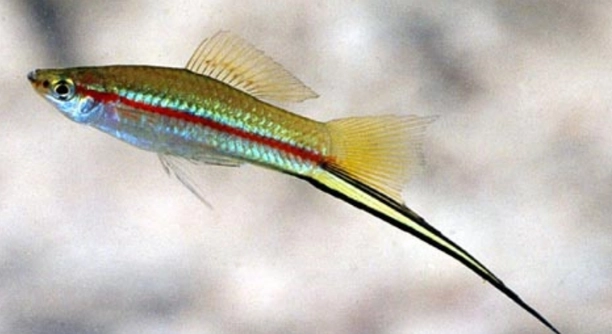
Are your swordtails rubbing on rocks and making you wonder if something might be wrong with their health or environment? This behavior may look harmless, but it often points to an underlying issue in the tank.
Swordtails rubbing on rocks is commonly a sign of skin irritation caused by parasites, poor water quality, or stress. External irritants such as ich or flukes are frequent culprits, and addressing them early can prevent more serious health problems.
Understanding this behavior helps protect your fish and maintain a healthy aquarium. Let’s look at what causes it and how you can help.
Common Reasons Swordtails Rub on Rocks
When swordtails rub against rocks, it often means something in their tank is bothering them. One of the most frequent causes is parasites such as ich or skin flukes. These organisms irritate the skin and gills, prompting your fish to scratch themselves on hard surfaces. Another possible cause is poor water quality. Elevated ammonia or nitrite levels can damage the fish’s slime coat and skin, making them uncomfortable. Stress is another factor to consider—this can come from overcrowding, sudden changes in water temperature, or aggressive tankmates. All these issues can lead to erratic behavior like rubbing or flashing. Observing their behavior closely and acting quickly is important for their recovery. Look for signs such as clamped fins, labored breathing, or white spots on the skin. These symptoms often appear together with rubbing and indicate a need for immediate action to prevent the condition from worsening.
Test your water parameters right away.
Parasites thrive in unclean tanks. Clean your tank regularly and remove uneaten food. Make sure your filter works properly. Always quarantine new fish before adding them to your aquarium to limit the chance of introducing something harmful. Treatments like aquarium salt or medication may also be needed. Check the product instructions and dosage carefully. A hospital tank is a good option for isolating infected fish and providing targeted care. Avoid overcrowding, and ensure the tank is properly cycled before adding new fish. If you see no improvements within a few days of treatment, consult a vet or aquatic specialist. Keeping stress levels low is also important—this includes steady lighting, consistent feeding times, and limited disturbances. A balanced and calm environment gives your swordtails a better chance at healing and staying healthy. Prevention goes a long way in maintaining a peaceful tank and happy fish.
How to Treat and Prevent This Behavior
Quick treatment makes a big difference. Remove sick fish to a separate tank and begin treatment based on symptoms. Always address water quality first.
Use a reliable water test kit to measure ammonia, nitrites, nitrates, and pH. Maintain stable conditions and perform regular water changes. If parasites are present, treatments such as copper-based medications or formalin can help, but they must be used carefully. Follow all instructions to avoid harming your fish or beneficial bacteria. Aquarium salt is a milder option that supports healing and reduces stress. Always dissolve salt before adding it to the tank. Keep lights dim and limit feeding to reduce waste. Also, vacuum the gravel and clean any algae buildup. Once treatment is complete, continue monitoring your fish. Healthy swordtails are active, have clear eyes, and show no signs of rubbing. Quarantining new fish for at least two weeks reduces future risks. Maintaining a clean, stable tank is the best way to prevent this behavior from returning.
Other Signs to Watch For
Alongside rubbing, swordtails may display clamped fins, rapid breathing, loss of appetite, or white spots on their bodies. These symptoms usually show up together and can indicate stress, infection, or worsening water conditions that require immediate attention.
Watch your swordtails closely for behavioral changes. If they begin isolating themselves, swimming near the surface, or losing color, these could be signs that something is wrong. White spots suggest ich, while red patches may signal bacterial infections. Gasping at the surface might point to low oxygen or high ammonia. Sudden aggression can also be caused by discomfort or environmental stress. Checking the tank for stable temperatures, hidden toxins, or malfunctioning equipment is essential. Keeping a log of symptoms and changes helps track patterns. Consistent care makes it easier to prevent issues before they become serious.
Preventative care includes regular tank maintenance and early observation. If something seems unusual, don’t wait. Change the water, clean the filter, and test the levels right away. Keep the tank clean and don’t overfeed, as leftover food breaks down and affects water quality. Quarantine tanks are also helpful—not just for new arrivals, but also for fish that begin acting strangely. A quick response to symptoms can protect the entire tank from further problems.
Environmental Triggers to Avoid
Sudden changes in temperature, high ammonia levels, or overcrowding are common environmental triggers that cause rubbing and stress in swordtails. Always check your heater, filter, and stocking levels to keep the tank balanced and comfortable.
Maintain consistent water temperature around 76–82°F, and avoid placing the tank near windows or vents that can cause rapid shifts. Ammonia should stay at zero; any detectable amount is unsafe and may irritate your swordtails’ skin. Use a reliable test kit and change 25% of the water weekly to prevent build-up. Avoid using untreated tap water, as it contains chlorine that can harm fish. Overcrowding leads to competition, stress, and excess waste, so research your tank’s capacity before adding more fish. Limit loud noises or tapping on the glass, as sudden disturbances can scare or stress the fish. Every small detail in their environment contributes to their comfort, so stay consistent and observant.
When to Seek Professional Help
If rubbing continues after water changes and treatment, it’s time to involve a professional. Persistent symptoms may suggest internal parasites or resistant infections that need lab testing and prescription medication not available over the counter.
A veterinarian with experience in aquatic animals can provide proper diagnosis. They may suggest sending a skin scrape or water sample to a lab for further testing. Delaying expert help can make things worse.
Cleaning and Maintenance Tips
Clean the tank regularly to reduce stress and prevent health issues. Change 25% of the water weekly, vacuum the substrate, and clean the filter without using soap. Avoid overfeeding—leftover food increases waste. Always use dechlorinated water, and rinse any new decorations before placing them in the tank. A consistent cleaning schedule helps prevent buildup of harmful substances. Observe your fish during cleaning—this helps you spot early signs of discomfort. Also, monitor equipment like heaters and filters to ensure they’re working properly. Stability is key when it comes to fish health, especially for sensitive species like swordtails.
Safe Products to Use
Use aquarium-safe medications and conditioners. Stick to products labeled for freshwater tanks, and avoid anything with copper if you have snails or live plants.
FAQ
Why are my swordtails rubbing against rocks and decorations?
Swordtails often rub against surfaces when they feel irritated. This behavior is usually linked to poor water quality, external parasites, or the early stages of a disease like ich. Rubbing is their way of trying to relieve discomfort. If you notice this happening, test your water immediately for ammonia, nitrites, and pH fluctuations. Also check for visible signs like white spots or redness. Even without visible symptoms, consistent rubbing should not be ignored. It’s an early sign that something in the tank might be off and needs your attention.
Can stress cause my swordtails to behave this way?
Yes, stress is a major factor. It can come from sudden changes in temperature, overcrowding, aggressive tank mates, or poor water conditions. When fish are stressed, their immune systems weaken, making them more likely to get sick. Swordtails may rub themselves as a response to that stress. To avoid this, keep their environment stable. Maintain the correct water temperature, don’t overcrowd the tank, and provide enough hiding spots. Stress is not always visible, but behaviors like rubbing, hiding, or darting are early indicators that the fish are uncomfortable.
Is rubbing always a sign of parasites or disease?
Not always, but it’s one of the most common early signs. Swordtails might rub due to external parasites like ich or flukes, but sometimes it’s just temporary irritation from poor water quality. If you catch it early and make adjustments, the behavior may stop before things get worse. However, if rubbing continues and is followed by other symptoms like white spots, gasping, or loss of appetite, disease is more likely. It’s important to observe other behaviors and look at the overall condition of your fish before assuming it’s something serious.
What should I do first if I see my swordtail rubbing?
Start by testing the water. Check ammonia, nitrite, nitrate, and pH levels. If anything is out of range, do a partial water change and clean the tank as needed. Don’t treat with medication right away unless you see clear signs of a parasite or infection. Sudden changes in water conditions can also cause temporary rubbing. If the water quality is fine and rubbing continues for a few days, consider adding aquarium salt or using a broad-spectrum treatment. Monitoring your fish closely during this time helps you catch additional symptoms early.
How can I tell if it’s ich or something else?
Ich usually appears as small white dots on the body and fins, like grains of salt. If your swordtail is rubbing and you see these spots, it’s likely ich. The fish may also breathe rapidly and appear restless. Other infections like flukes or bacterial issues don’t have the same appearance but may still cause rubbing. Skin flukes might make the fish appear pale or cause clamped fins. Without obvious spots, a microscope is sometimes needed for diagnosis, but treating for ich first is common since it’s a frequent cause of this behavior.
Will all my fish get infected if one shows symptoms?
Yes, it’s very possible. Most external parasites and bacterial infections spread quickly in a shared tank. That’s why early action matters. If you catch the issue with one fish and treat the whole tank, you may prevent the others from getting sick. Quarantining sick fish can also help, but by the time rubbing starts, others may already be exposed. A full-tank treatment is often the best route if you suspect a contagious problem. Continue water changes during treatment and monitor each fish for symptoms, even if they look fine now.
How do I safely treat rubbing caused by parasites?
You can use a parasite treatment from a pet store, but make sure it’s safe for all the species in your tank, especially if you have invertebrates or live plants. Follow the instructions exactly. Aquarium salt can also help reduce stress and support healing. Raise the tank temperature slightly (to about 82°F) if you’re treating ich, as it speeds up the parasite’s life cycle, making treatment more effective. Avoid overmedicating or mixing treatments unless advised by a professional. Always monitor your fish closely during and after treatment for side effects.
Can rubbing go away on its own?
If it’s caused by something minor, like a temporary irritant or a small water imbalance, yes—it might stop after a partial water change and some cleaning. But if the cause is parasites or poor tank conditions that aren’t fixed, rubbing usually gets worse. It’s best not to wait and see. By the time fish show visible symptoms like spots or redness, they’re already quite sick. Acting quickly can make the difference between a simple fix and a tank-wide issue that requires medication and multiple treatments.
Final Thoughts
Swordtails rubbing against rocks is not just a random behavior. It is often a sign that something is bothering them in their environment. While it can be caused by temporary irritation, it is usually linked to stress, parasites, or poor water quality. When this behavior appears, it’s important to observe your fish closely and take action early. Doing nothing can lead to bigger problems in the tank, especially if disease or parasites are involved. Paying attention to small changes in behavior can help prevent illness and protect the health of all your fish.
Keeping a clean, well-balanced tank is one of the best ways to avoid this issue. Regular water testing, proper filtration, and routine maintenance are essential. Make sure the tank is not overcrowded, and that the fish have enough space to swim and hide. If you notice rubbing, test the water first and make necessary adjustments. If rubbing continues and other symptoms appear, consider treating the tank. Sometimes, adding aquarium salt or using a parasite treatment can help, but always read the label and follow directions carefully.
The most important thing is to act early and stay consistent with care. Swordtails are active and peaceful fish that thrive in stable environments. Watching for signs like rubbing can give you valuable clues about their health. When the tank conditions are right, and the fish are stress-free, behaviors like rubbing should disappear. Staying informed and responding quickly to changes in your fish’s behavior helps you maintain a healthy aquarium. Over time, this will lead to fewer problems and a more enjoyable experience caring for your swordtails.

Hello,
If you enjoy the content that we create, please consider saying a "Thank You!" by leaving a tip.
Every little bit helps us continue crafting quality advice that supports the health, happiness, and well-being of pets around the world, for pets of all shapes, sizes, and species.
We really appreciate the kindness and support that you show us!