
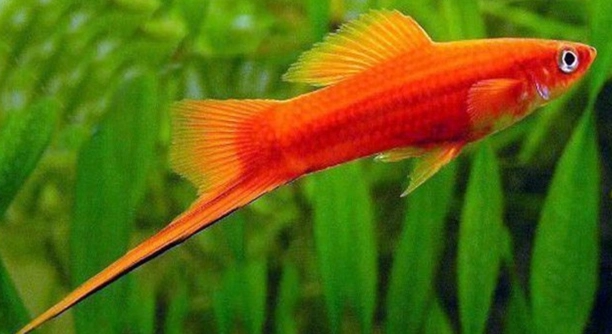
Swordtails are fascinating fish, often seen swimming in groups, creating a beautiful spectacle in aquariums. Their behavior raises interesting questions about why they stick together in these tight-knit schools.
Swordtails follow each other primarily due to social and survival instincts. This schooling behavior provides protection from predators and allows them to find food more effectively. Additionally, it is a form of communication and synchronization within the group.
Understanding their social dynamics can offer insight into their natural instincts and help create a better environment for these fish.
Why Swordtails Form Schools
Swordtails naturally form schools as a way of enhancing their chances of survival. In the wild, swimming together in groups allows them to protect themselves from predators. When these fish move as one, they create confusion, making it harder for predators to single out an individual. This behavior is essential for their survival. Swordtails are also social creatures, and schooling helps them feel secure in their environment. The presence of other fish reduces stress and promotes a sense of safety. Additionally, by following each other, they can find food sources more efficiently and stay within a safe distance from one another.
Social interactions within schools are not just about safety, but also about bonding and communication. These fish rely on subtle signals, like movement and body positioning, to stay connected. This helps them coordinate their movements and maintain unity within the group.
Swordtails’ instinctual need to stick together provides protection, promotes survival, and encourages a more enriching environment for them. Understanding this can help create a suitable space for them in your aquarium.
The Benefits of Schooling
Swimming in groups gives swordtails both protection and a sense of safety. They stick together for mutual benefit.
In nature, swordtails face numerous dangers, from larger fish to birds and other predators. By forming schools, they create a defense mechanism that confuses their enemies. Instead of a lone target, predators find themselves confronting a mass of moving fish, making it difficult to focus on any one individual. This strategy is especially effective when they are in areas with high predator presence. The more swordtails in the group, the greater the chances of survival. Their schooling also enables them to hunt in larger areas, benefiting from shared information about food sources. This leads to a more efficient search for nourishment, ensuring that the group stays well-fed and healthy.
Through schooling, swordtails communicate with each other, allowing the group to move in unison. By recognizing signals from one another, they stay coordinated and aware of their surroundings. This communication helps swordtails adapt quickly to changing conditions. It also strengthens the bonds between fish, creating a more cohesive and organized group.
Why Swordtails Follow Specific Leaders
In a school of swordtails, there are often dominant individuals that lead the group. These fish tend to be more experienced or stronger, guiding the rest of the group to safer or more fruitful areas.
Swordtails tend to follow these leaders instinctively. The fish in the school are likely drawn to the leader because they trust that they know where to go. This following behavior can help ensure that the group stays united, even during stressful situations or while searching for food. The leader often takes on a role of coordinating movement and providing direction, allowing the group to remain in sync.
By observing these leader-follower dynamics, it’s easy to see how swordtails function as a group. The leadership doesn’t necessarily come from aggression but from the natural hierarchy within the school. These leaders provide structure, while others follow along for the sake of collective safety and survival. Understanding this hierarchy helps clarify how swordtails communicate and work together.
Social Dynamics of Swordtails
Swordtails are highly social fish, thriving in the presence of other swordtails. This social structure helps create a cohesive group where each fish has its place and role. Schooling is a key part of their social behavior.
Being in a group offers swordtails safety, as they rely on each other for protection. As they swim together, they engage in subtle social interactions, from displaying dominance to exchanging information about food sources. These interactions help maintain order within the group. The fish may also show affection, rubbing up against each other or staying close to one another for comfort. This connection is essential for reducing stress and promoting well-being within the group.
Even in a controlled environment like an aquarium, swordtails maintain their social instincts. Ensuring they are kept in groups encourages natural behaviors, helping them stay active and healthy. Socializing with one another reduces aggression and prevents the development of stress-related issues.
How Swordtails Communicate
Swordtails communicate with each other through body language and movement. They rely heavily on visual cues to express their intentions and emotions.
Movement patterns play a big role in how swordtails interact. A quick change in direction or a shift in swimming speed can signal changes in the environment or prompt a reaction from the other fish. This helps the group stay coordinated while moving through the water. Additionally, swordtails use subtle physical touches and posture adjustments to communicate their social status or intentions. A fish might face another in a certain way to show dominance or submission.
By understanding these communication methods, you can observe how swordtails maintain their social order. Their ability to coordinate and stay synchronized as they swim together relies on these subtle yet important cues. It is an intricate form of communication that keeps the school intact and functioning smoothly.
The Role of Environment in Schooling
The environment plays a significant role in swordtail schooling behavior. Factors like water temperature, tank size, and presence of hiding spots can impact how they interact with one another.
In smaller spaces, swordtails may feel more confined and stressed, which can affect their ability to school effectively. A larger tank with plenty of swimming space encourages the natural grouping behavior. The more natural their environment, the better their social interactions. Providing hiding spots and plants can also help reduce stress and allow swordtails to feel secure within the school.
Swordtails and Their Natural Instincts
Swordtails are driven by instincts that guide their behavior, particularly when it comes to survival. Their strong urge to swim in schools is a direct result of these instincts.
In the wild, these instincts help swordtails avoid predators and find food. In aquariums, these natural behaviors are still prominent. Swordtails will seek out areas where they feel protected and can interact freely with others in the group. It’s important to recognize and respect these instincts when caring for swordtails.
What Happens When They Are Isolated
Swordtails, when isolated, can become stressed and behave differently. Their natural instincts to school are inhibited, leading to anxiety and aggression.
Being alone means swordtails miss out on the security and comfort they derive from their group. Without the presence of other swordtails, they may feel vulnerable, which can cause them to display signs of stress. Maintaining a group of swordtails ensures they remain calm and thrive. The social structure they naturally form is essential for their mental and physical health.
FAQ
Why do swordtails follow each other in a school?
Swordtails follow each other primarily due to their natural instincts for survival and social behavior. Swimming in groups offers protection from predators, as it confuses potential threats and makes it harder for them to target a single fish. Additionally, grouping together increases the chances of finding food. This behavior is a fundamental survival strategy, providing both security and a more efficient way of living.
How do swordtails choose the leader in a school?
In a school, swordtails may follow a dominant or more experienced fish, typically the leader. The leader is often more confident or stronger, and the rest of the group follows its movement. This leader doesn’t necessarily exert control through aggression but through natural dominance in terms of size, behavior, and experience. The rest of the school depends on the leader’s decisions for direction and safety, especially in the wild where instinctive behavior is crucial.
Do swordtails always swim in schools?
While swordtails prefer swimming in schools, they may not always do so, especially in small or solitary environments. When isolated, swordtails tend to feel stressed and may swim alone, which can lead to negative health effects. In larger tanks or in the wild, they naturally form schools for the benefits of protection and social interaction. It’s important to provide a suitable environment with other swordtails to encourage this group behavior.
Can swordtails live alone in an aquarium?
Swordtails can survive alone in an aquarium, but it’s not ideal for their well-being. These fish are social and thrive in groups, and being isolated can cause them stress, leading to aggression and even health issues. Keeping swordtails in schools allows them to interact naturally, reducing stress and promoting healthy behavior. A group of at least 3-4 swordtails is recommended to create a more stable and comfortable environment.
How does the tank size affect swordtail schooling behavior?
Tank size directly influences swordtail schooling behavior. In a cramped tank, swordtails may not feel comfortable enough to school properly, which can cause stress and unhealthy behavior. A larger tank with plenty of swimming space promotes natural schooling behavior, as the fish feel secure and have enough room to move around freely. Providing sufficient space is essential for swordtails to thrive in a group.
What are the signs that swordtails are stressed?
Swordtails show signs of stress through changes in behavior, such as hiding excessively, swimming erratically, or appearing lethargic. They may also stop eating or become more aggressive toward other fish. If kept alone or in a too-small tank, swordtails are more likely to exhibit these signs. It’s important to monitor their behavior and provide a suitable environment to reduce stress.
Can swordtails communicate with each other?
Yes, swordtails communicate primarily through body language and movement. They use subtle shifts in their swimming patterns, body posture, and position within the group to convey messages about food, danger, or social status. This communication is vital for maintaining group cohesion and avoiding potential threats. They also use physical contact, such as rubbing against each other, to bond and show affection within the group.
What is the ideal water temperature for swordtails?
Swordtails prefer a water temperature range of 72°F to 79°F (22°C to 26°C). Keeping the water within this range helps maintain their natural behaviors, including schooling and feeding. Too cold or too hot water can stress them out and affect their health, so it’s important to maintain a stable temperature in their tank. A heater is often necessary to ensure the water remains within the ideal range, especially in cooler climates.
Do swordtails need a specific diet to thrive?
Swordtails are omnivorous and need a balanced diet to stay healthy. They should be fed a variety of foods, including high-quality flakes, pellets, and live or frozen foods like brine shrimp, bloodworms, and daphnia. A varied diet ensures they receive the necessary nutrients to support their growth, energy levels, and schooling behavior. Overfeeding or providing the wrong type of food can lead to health issues, so it’s important to feed them appropriately.
How can I tell if my swordtail is happy?
Happy swordtails are active, swim with the group, and show interest in food. They should exhibit natural schooling behavior, moving with the group in a coordinated way. Healthy swordtails are also alert, with clear, vibrant colors and smooth, unmarked fins. If a swordtail is happy, it will engage in social behavior and interact positively with others in the tank. If you notice signs of lethargy or erratic swimming, it could indicate stress or poor health.
What is the lifespan of a swordtail?
Swordtails typically live for around 3 to 5 years, though this can vary depending on their environment and care. Proper tank conditions, a balanced diet, and minimal stress can help swordtails live longer and healthier lives. Regular water changes, proper filtration, and keeping the tank free from harmful chemicals also contribute to their longevity. The more care you put into their environment, the healthier and longer your swordtails will live.
Final Thoughts
Swordtails are fascinating fish with unique social behaviors, especially when it comes to schooling. Their natural instincts to swim in groups provide them with safety and a sense of security, both in the wild and in aquariums. Understanding why swordtails follow each other can help you create a more comfortable and healthy environment for them in your tank. These fish are not only social creatures but also rely on each other to thrive and grow. Keeping a group of swordtails together in a proper-sized tank is essential for maintaining their well-being and encouraging natural behavior.
The right environment plays a key role in promoting schooling behavior. A spacious tank with plenty of hiding spots and plants will help swordtails feel secure and reduce stress. In smaller, overcrowded tanks, swordtails may not exhibit their typical school behavior, which can lead to anxiety and health problems. Maintaining a balanced water temperature, providing quality food, and ensuring a clean environment are crucial steps to ensure your swordtails remain happy and healthy.
If you plan to keep swordtails, consider their social nature and provide them with a group of their own kind. A solitary swordtail can easily become stressed, which can affect its health and behavior. Keeping a school of swordtails allows them to interact naturally and feel more at ease. In the end, creating a supportive and stress-free environment will help your swordtails live longer and enjoy a more active, happy life. By respecting their natural instincts and behaviors, you can offer them the best care and watch them thrive in your aquarium.

Hello,
If you enjoy the content that we create, please consider saying a "Thank You!" by leaving a tip.
Every little bit helps us continue crafting quality advice that supports the health, happiness, and well-being of pets around the world, for pets of all shapes, sizes, and species.
We really appreciate the kindness and support that you show us!