
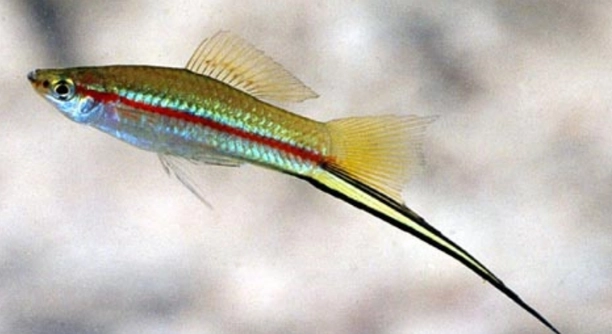
Swordtails are popular aquarium fish known for their active nature and vibrant colors. However, if your swordtail is ignoring food, it can be frustrating and concerning. Several factors may be at play, impacting your fish’s appetite.
There are various reasons why your swordtail might be ignoring food. Stress, poor water conditions, or an imbalance in its diet are among the most common causes. Identifying these issues can help address the problem and restore your fish’s eating habits.
Understanding the cause of your swordtail’s lack of appetite is the first step. By addressing stressors and maintaining a stable environment, you can ensure your fish stays healthy and happy in the long run.
Stress and Anxiety Can Impact Eating Habits
Swordtails, like many fish, are sensitive to their environment. Stress is one of the main reasons why they might refuse food. It can come from various sources like sudden changes in water temperature, loud noises, or overcrowding in the tank. If the fish feels threatened or uneasy, it may choose to hide rather than feed. Stress can weaken the immune system, leading to further health problems, including a reduced appetite.
Stress affects fish behavior significantly. It’s important to observe any changes in your swordtail’s tank that could be causing distress. Check for overcrowding, high noise levels, or aggressive tank mates. The more peaceful and stable the environment, the more likely your swordtail will feel comfortable enough to eat.
Making small changes to the tank setup can often reduce stress. Ensure the water temperature is stable, the pH is balanced, and your fish have plenty of space to swim around. By providing a calm, secure environment, your swordtail will likely start eating again soon.
Poor Water Conditions
Poor water quality is a common issue for aquarium fish. Swordtails are particularly sensitive to changes in water parameters. If the water is too dirty or has imbalanced levels of ammonia, nitrites, or nitrates, it can make the fish uncomfortable and cause a loss of appetite.
Regular water changes and testing can help keep these harmful substances in check. Clean, fresh water is essential for your swordtail’s health and well-being. Maintaining a proper filtration system is crucial in preventing these water issues from arising. Keeping the water conditions optimal can encourage your swordtail to resume feeding.
A tank’s water temperature is also a factor. Swordtails thrive in water between 72°F and 78°F (22°C – 26°C). If the temperature fluctuates too much or falls outside this range, it can stress the fish, leading to a lack of appetite. Consistent water quality and temperature are key to keeping your fish healthy and feeding regularly.
Diet Imbalance and Lack of Variety
Swordtails, like most fish, need a well-rounded diet to stay healthy. A monotonous diet, or one that lacks the necessary nutrients, can cause your fish to lose interest in food. Offering a variety of foods like flakes, pellets, and live or frozen options can help keep your swordtail engaged.
A diet that is lacking in nutrients can lead to a decrease in appetite and even malnutrition. Make sure to feed your fish a mix of protein-rich foods, such as brine shrimp or bloodworms, alongside vegetable-based options. Providing a variety of textures and flavors will stimulate your swordtail’s appetite.
Moreover, overfeeding can be another issue. Swordtails might ignore food if they’ve already eaten too much or if the food is left uneaten and starts to decay. Pay attention to portion sizes to avoid waste and help your swordtail stay active and healthy.
Illness or Injury
If your swordtail is unwell, it may refuse to eat. Fish can hide signs of illness until it becomes more severe. Look for symptoms like abnormal swimming, faded colors, or clamped fins. These signs can indicate stress, infection, or injury.
Any kind of injury, from scrapes to fin damage, can make your swordtail hesitant to eat. Fish can also suffer from internal parasites, which affect their digestion and make them lose their appetite. If you notice any odd behavior or physical changes, isolate the affected fish to prevent the spread of disease and start treatment.
Consulting a vet or a fish expert is important if you suspect your swordtail is ill. Getting a proper diagnosis can help you treat the issue quickly and prevent further complications. Regular health checks and water quality monitoring can also reduce the risk of illness.
Water Temperature and Oxygen Levels
Swordtails are very sensitive to water temperature and oxygen levels. If the water is too warm or too cold, it can affect their appetite. Maintaining a steady temperature is essential for keeping your fish healthy and encouraging regular feeding.
A temperature fluctuation can cause your swordtail to become lethargic, stressed, and lose its appetite. Ensure that the water stays between 72°F and 78°F for optimal health. Additionally, if there’s not enough oxygen in the tank, your swordtail might struggle to breathe and eat.
Investing in a good water heater and air pump can help stabilize both temperature and oxygen levels in the tank. Regularly monitoring these factors ensures that your swordtail stays active, healthy, and, most importantly, hungry.
Overcrowding
Overcrowding in the tank can cause stress for your swordtail. When there are too many fish, competition for food and territory can increase, leading to anxiety and loss of appetite. It’s important to provide enough space for each fish.
Swordtails are active swimmers and need space to thrive. Overcrowding can create a stressful environment, where fish might not feel comfortable enough to eat. Ensure your tank has enough room for all your fish to move around freely without feeling cramped or threatened. A good rule of thumb is one inch of fish per gallon of water.
Aggressive Tankmates
Aggression among tankmates can be another reason your swordtail is avoiding food. If there are aggressive fish in the tank, they may bully the swordtail, making it feel stressed and unsafe to eat. Aggression can come from fish that are territorial or overly dominant.
To reduce aggression, carefully consider the types of fish you keep with your swordtail. Some fish species are naturally more aggressive and may cause unnecessary stress. If needed, separate aggressive fish from your swordtail to provide a calmer environment where it can eat without fear. Keeping peaceful tankmates helps improve feeding behavior.
Tank Maintenance
Regular tank maintenance is essential for your swordtail’s health. A dirty tank can cause water quality to deteriorate, which affects the fish’s appetite. Ensure that your filter is working properly and clean the tank regularly to avoid harmful build-up.
Maintaining a clean environment not only helps with water quality but also reduces the risk of disease and stress. Remove uneaten food from the tank to prevent it from decaying and contaminating the water. A well-maintained tank encourages healthy, happy swordtails that are more likely to eat regularly.
FAQ
Why is my swordtail suddenly not eating?
If your swordtail is suddenly not eating, it could be due to several factors. Stress is a major cause, often from sudden changes in the environment or water quality. Poor water conditions, high levels of ammonia or nitrates, or even a temperature fluctuation can make your swordtail feel uneasy and refuse food. It’s important to check the water parameters and ensure the tank setup is peaceful. Illness or injury can also be a cause. Keep an eye out for physical signs like faded colors or abnormal swimming behavior.
How long can a swordtail go without food?
Swordtails can survive without food for up to 2-3 days, but extended periods without food can weaken their immune system. However, not feeding them for too long can affect their health, particularly if they are already stressed or ill. It’s essential to address the underlying issue of why they’re not eating, rather than leaving them without food for extended periods. Once the cause is identified, feeding can resume to ensure they stay healthy.
Can swordtails go without food if they’re stressed?
Yes, swordtails can refuse food if they are stressed. Stress from overcrowding, aggressive tankmates, poor water quality, or drastic changes in the environment can lead them to avoid food. They may also stop eating if they feel threatened or are unable to find a quiet space. Reducing stressors in the tank environment can help restore their appetite.
How can I tell if my swordtail is sick or just not hungry?
Sick swordtails often show noticeable physical signs like faded colors, clamped fins, or abnormal swimming patterns. If your swordtail is spending more time hiding or has a reduced interest in food over a few days, it’s worth checking for illness. A fish that’s just not hungry may still swim around and interact with the environment, whereas a sick fish tends to be more lethargic. Observing the fish carefully and looking for other symptoms of illness, such as swelling or skin lesions, can help you differentiate between sickness and lack of appetite.
What can I do if my swordtail is not eating for a week?
If your swordtail hasn’t eaten for a week, it’s important to assess the tank conditions. Check the water quality, ensuring it’s within the proper parameters. Look for signs of illness, injury, or stress. A sudden change in the environment or water temperature can cause the fish to stop eating. If everything appears normal, try offering different types of food, such as live or frozen foods, to stimulate their appetite. If there’s no improvement, it may be necessary to consult a fish vet for further evaluation.
Can water temperature affect my swordtail’s appetite?
Yes, water temperature plays a significant role in your swordtail’s appetite. Swordtails are tropical fish and thrive in water between 72°F and 78°F (22°C – 26°C). If the water is too cold or too hot, it can cause them to become lethargic and lose interest in food. Maintaining a stable temperature will help your swordtail feel comfortable enough to eat. Use a reliable aquarium heater and thermometer to regulate the water temperature within the appropriate range.
Is it normal for swordtails to skip meals?
It’s normal for swordtails to occasionally skip a meal, especially if they are full or have already eaten. However, if they continue to skip meals or refuse food for several days, it could indicate a problem. It’s essential to observe their behavior and make sure there are no stressors in the tank, such as aggressive fish or poor water conditions. Swordtails usually have a healthy appetite if their environment is stable and comfortable.
Could my swordtail be eating but I’m just not seeing it?
Yes, it’s possible that your swordtail is eating, but you’re simply not seeing it. Swordtails are known for being more active during certain times of the day, often feeding during dawn or dusk. It could be that your swordtail is eating when you’re not observing. Another possibility is that the food is being eaten by other fish before you notice. Try feeding the fish at different times of the day to see if your swordtail becomes more active and starts eating in front of you.
How can I help my swordtail regain its appetite?
To help your swordtail regain its appetite, first ensure that the water conditions are ideal. Regular water changes, proper filtration, and consistent water temperature are key. Reduce stress in the tank by ensuring there are no aggressive tankmates and providing enough space for each fish. You can also try offering a variety of foods, such as live or frozen foods, to stimulate their appetite. If your swordtail has been sick or injured, allowing it time to recover in a quiet, stress-free environment can encourage feeding.
Final Thoughts
It’s important to remember that swordtails are relatively hardy fish, but they can experience a range of issues that may affect their appetite. Whether it’s stress, illness, poor water quality, or an imbalance in their diet, there are several factors to consider when your swordtail refuses food. Regular monitoring of water conditions, observing the fish for any signs of distress, and providing a variety of foods can all play a role in keeping your fish healthy and hungry. If the problem persists despite your efforts, it might be a good idea to consult with an aquarium specialist or a vet who can diagnose any potential health concerns.
Creating a peaceful environment is key to helping your swordtail feel comfortable and safe. Stressful conditions, like overcrowding, aggressive tankmates, or sudden changes in water temperature, can all contribute to a loss of appetite. By maintaining a stable, calm environment, you give your swordtail the best chance to thrive. Water temperature and oxygen levels should also be kept within the appropriate range for swordtails. If any of these conditions are off, your swordtail may stop eating. It’s crucial to keep an eye on these factors and address any problems as soon as they arise.
While it’s easy to worry when your swordtail refuses food, in most cases, the issue can be resolved with some patience and observation. Make sure to address any potential stress factors and maintain a healthy environment with proper tank maintenance. Offering a variety of nutritious food options can help rekindle your swordtail’s interest in feeding. However, if the lack of appetite continues, it could be a sign of an underlying health issue. Taking swift action will ensure your swordtail stays healthy and returns to its usual, vibrant self.

Hello,
If you enjoy the content that we create, please consider saying a "Thank You!" by leaving a tip.
Every little bit helps us continue crafting quality advice that supports the health, happiness, and well-being of pets around the world, for pets of all shapes, sizes, and species.
We really appreciate the kindness and support that you show us!