
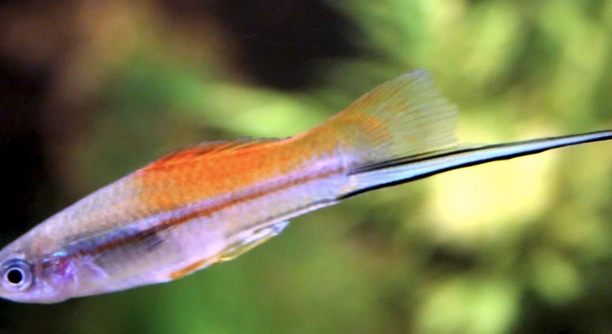
Swordtails are popular aquarium fish that often display unique swimming behavior. One common sight is their tendency to swim against the glass. If you’ve noticed this, you might be wondering why they do it. Let’s explore this behavior further.
Swordtails swim against the glass primarily due to stress, curiosity, or environmental factors. This behavior can also occur when they are trying to explore their surroundings, searching for food, or reacting to changes in water quality or lighting conditions.
Understanding why your swordtails engage in this behavior can help you provide a better environment for them. By looking into possible causes like water quality or tank setup, you can improve their well-being.
Stress and Anxiety in Swordtails
Stress can be a major factor behind swordtails swimming against the glass. Like many fish, swordtails are sensitive to changes in their environment. If there are sudden changes in water conditions, temperature, or lighting, they may feel unsettled. This stress can lead to repetitive behaviors like swimming along the glass. Another common stressor is the presence of tankmates. If your swordtail feels threatened by another fish, it may swim near the glass as a way to find some space or escape.
A peaceful environment with stable conditions is key to keeping your swordtails calm. Regular water changes and maintaining a consistent temperature can help reduce stress levels. Keeping the tank free from sudden disturbances is just as important.
If the swordtail continues to swim against the glass, it could be because it feels trapped. This behavior can become habitual if the fish doesn’t have a chance to settle in its environment. It’s essential to keep the tank’s ecosystem stable to help your fish thrive.
Environmental Factors
Water quality plays a big role in swordtail behavior. If the water has too many chemicals or is not clean enough, swordtails may feel uncomfortable. They will often try to swim away from the source of discomfort, like against the glass. Poor water conditions, such as high levels of ammonia or nitrites, can lead to erratic swimming.
Swordtails, like other fish, prefer clean, oxygenated water. Regular testing of your tank’s water and adjustments, such as adding a filter or doing water changes, can drastically improve the fish’s behavior. Keeping the water parameters stable helps swordtails feel secure and reduces the need for constant movement against the glass.
Lack of Space in the Tank
Swordtails need plenty of space to swim around comfortably. If your tank is too small or overcrowded, they may swim against the glass in search of more room. Fish often do this when they feel confined and want to find an escape. Overcrowding can also lead to stress and aggression among tankmates.
When the space is limited, swordtails may resort to swimming along the glass as they try to find a less stressful spot. It’s essential to provide enough swimming area for all your fish. A larger tank, or reducing the number of fish in the tank, can help prevent this behavior. A bigger space allows swordtails to feel less confined and more at ease.
Tank size and the number of fish directly impact swordtail behavior. Ensuring that the tank is not too crowded can reduce stress and help prevent constant glass swimming. If your tank feels cramped, consider upgrading to a bigger one or reducing the fish population. This small change can make a big difference in their overall well-being.
Water Temperature
Swordtails are sensitive to temperature changes. If the water is too warm or too cold, they may swim against the glass more frequently. Extreme temperature shifts cause discomfort, and fish try to move toward areas of the tank they think might offer a better environment.
Maintaining a stable water temperature is essential for swordtails’ health. The ideal range is between 72°F to 82°F (22°C to 28°C). If you notice your swordtails swimming against the glass, it could be due to discomfort caused by a temperature fluctuation. A reliable aquarium heater with a thermostat can help you maintain the right temperature range.
Fish tend to be more active when the water is the right temperature, and this can reduce their stress. Swordtails will swim freely throughout the tank, exploring rather than staying fixated on the glass. Ensuring consistent temperatures will also improve their immune system and overall behavior.
Feeding Habits
Swordtails often swim against the glass when they’re hungry. They associate the glass with food, especially if they’ve been fed near it in the past. This behavior can also occur if they’re searching for more food. Fish are opportunistic feeders and may expect food at any moment.
To prevent this, it’s helpful to establish a feeding routine. Feeding at the same time each day allows your swordtails to adjust and reduces the chance of them swimming frantically against the glass. Overfeeding can also be a problem, so it’s important to give them just enough food.
Setting a feeding schedule helps keep your fish calm. Swordtails will eventually learn where the food is located and stop swimming aimlessly around the tank. Being mindful of the amount of food you offer can also help keep your tank clean and avoid water quality issues.
Tank Lighting
If the tank lighting is too bright, swordtails may swim against the glass in an attempt to escape the light. They often seek darker areas if they feel the lighting is too intense. This behavior is linked to the comfort of the fish in their environment.
Ensure your tank lighting is suitable for the swordtail species. Dimmer lighting, or using a light with adjustable intensity, may help reduce their stress. Swordtails tend to thrive with a moderate light level that mimics their natural habitat. This way, they can swim freely without being overwhelmed.
FAQ
Why does my swordtail keep swimming against the glass?
Swordtails often swim against the glass due to stress, boredom, or environmental factors. Stress can be caused by poor water quality, overcrowding, or changes in tank conditions. They may also swim along the glass if they feel trapped or don’t have enough space to move. If your swordtail is consistently swimming against the glass, it’s a sign that something in the tank needs adjustment, whether it’s the water quality, tank size, or tankmates.
Is my swordtail trying to escape the tank?
Swordtails do not usually try to escape the tank unless they are highly stressed or the tank conditions are unsuitable. They may swim against the glass in search of food, or simply because they feel confined. Make sure your tank is appropriately sized for the number of fish you have, and check the water quality to ensure the fish aren’t swimming in discomfort. If you see your swordtail repeatedly trying to jump or swim toward the top, the water conditions could be an issue.
How can I reduce my swordtail’s glass swimming behavior?
The best way to stop your swordtail from swimming against the glass is to create a stable, comfortable environment. First, ensure your tank has enough space for your swordtail to move freely. Avoid overcrowding and provide plenty of hiding spots or plants. Additionally, check the water temperature and quality, and make sure your swordtail is getting enough food. Having a consistent feeding schedule helps prevent the fish from associating the glass with food. Regular tank maintenance, such as water changes, can also help reduce this behavior.
How much space do swordtails need in a tank?
Swordtails require at least 20 gallons of water for a small group of fish. If you have more swordtails or other tankmates, you may need a larger tank to ensure that each fish has enough space. Overcrowding can lead to stress, which causes the fish to swim aimlessly, including against the glass. It’s also essential to add decorations, plants, or hiding spots to help them feel secure and comfortable.
Can swordtails swim against the glass due to poor water quality?
Yes, poor water quality is one of the most common reasons for swordtails swimming against the glass. High levels of ammonia, nitrites, or nitrates can stress the fish and cause abnormal behavior. Make sure to test the water regularly and perform water changes as needed. Good filtration and proper tank maintenance are key to ensuring the water stays clean and healthy for your swordtails.
Is it normal for swordtails to swim against the glass at night?
Swordtails may swim against the glass at night if the tank lighting is too bright or if they feel disoriented in the dark. Swordtails are naturally active during the day, but if they don’t have enough light control, they might feel uneasy when it gets dark. If this is the case, consider adjusting the lighting or adding dimmer options to create a more comfortable environment for them at night.
Can I stop my swordtails from swimming at the glass by adding more fish?
Adding more fish to the tank may not necessarily stop your swordtails from swimming against the glass. In fact, overcrowding could increase their stress levels and make the problem worse. More fish can also lead to more waste, which negatively affects water quality. Instead, focus on giving your swordtails enough space, clean water, and stable conditions.
Do swordtails need constant stimulation?
Swordtails are naturally curious and enjoy exploring their environment. While they don’t require constant stimulation, having a variety of tank decorations, plants, and hiding spots can encourage them to swim freely rather than swimming against the glass. Providing a stimulating environment helps reduce stress and makes the tank feel like a more natural habitat.
How can I tell if my swordtail is stressed?
Stressed swordtails may exhibit behaviors like swimming rapidly against the glass, hiding, or swimming in circles. They may also show signs of physical distress, like faded colors, clamped fins, or reduced appetite. If you notice these symptoms, check the water quality, tank temperature, and the number of fish in the tank. Addressing the stress factors will help your swordtail feel more comfortable.
Should I be concerned if my swordtail swims against the glass occasionally?
Occasional swimming against the glass is not always a cause for concern. Swordtails may swim against the glass briefly if they are looking for food or interacting with the environment. However, if it becomes a constant behavior, it’s a sign that something in the tank might need to be adjusted. Frequent or prolonged glass swimming usually points to stress or discomfort, which should be addressed to ensure your swordtail’s health.
Do swordtails need more space as they grow?
Yes, as swordtails grow, they need more space. A small tank may be fine for young swordtails, but once they reach their full size, they’ll require a larger environment to thrive. An adult swordtail typically grows to about 4-5 inches, so a larger tank is necessary to accommodate their growth. A tank that’s too small can cause stress, which leads to behaviors like swimming against the glass.
Can water temperature fluctuations cause swordtails to swim against the glass?
Yes, fluctuations in water temperature can cause swordtails to swim against the glass. Swordtails are sensitive to temperature changes, and sudden drops or increases in temperature can make them feel uncomfortable. Maintaining a consistent temperature between 72°F and 82°F (22°C to 28°C) helps prevent stress. Consider using a reliable aquarium heater to keep the water at a steady temperature.
Final Thoughts
Swordtails swimming against the glass can be concerning, but it’s usually a sign that something in their environment needs attention. This behavior can be caused by stress, poor water quality, lack of space, or other environmental factors. It’s important to observe your swordtail closely and address any issues that may be affecting their well-being. By making small adjustments to their tank, you can help reduce or eliminate this behavior and ensure they live a healthy, happy life.
One of the most effective ways to prevent swordtails from swimming against the glass is by maintaining a stable, comfortable environment. This means regular water changes, testing water quality, and keeping the tank free from overcrowding. Swordtails are more likely to swim freely throughout the tank when they feel secure, so providing enough space, proper filtration, and a consistent feeding schedule will go a long way in improving their behavior. Having a tank that mimics their natural habitat can also help reduce stress and encourage them to explore.
Finally, it’s important to remember that occasional glass swimming isn’t always a major concern. Swordtails might swim against the glass briefly when they’re hungry, curious, or adjusting to changes in their environment. However, if this behavior becomes constant or seems excessive, it’s time to take action. By paying attention to the factors that influence your swordtail’s comfort and making necessary changes, you can help them feel at ease in their home. Your swordtail’s happiness is directly linked to the environment you provide, and making the right adjustments can improve their behavior and overall health.

Hello,
If you enjoy the content that we create, please consider saying a "Thank You!" by leaving a tip.
Every little bit helps us continue crafting quality advice that supports the health, happiness, and well-being of pets around the world, for pets of all shapes, sizes, and species.
We really appreciate the kindness and support that you show us!