
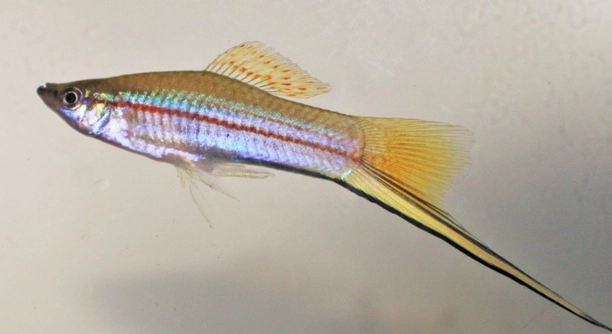
Swordtails are popular freshwater fish, often kept as vibrant aquarium pets. Their health is important, and like other fish, they may experience digestive issues, which can include constipation. Understanding the signs and solutions can help keep them comfortable.
Swordtails can indeed become constipated, which is typically caused by overfeeding, a poor diet, or a lack of fiber. This condition can lead to discomfort, bloating, and difficulty swimming, which may require prompt attention to ensure their health.
Keeping an eye on their diet and behavior can help prevent these issues. Understanding what affects their digestion ensures your swordtails remain happy and healthy.
Common Causes of Constipation in Swordtails
Overfeeding is one of the main causes of constipation in swordtails. When fish are given too much food, especially fatty or processed options, their digestive system can struggle. This leads to blockages and discomfort. A lack of fiber in their diet can also contribute to constipation. Swordtails, like other fish, need a balanced diet with the right nutrients to maintain proper digestion. In addition, water temperature plays a role in digestion. Water that’s too cold can slow down their metabolism and cause digestive issues. If your swordtail is consistently constipated, reviewing their diet and aquarium conditions is a good first step.
Water quality is another important factor. Poor water conditions, like high levels of ammonia or nitrates, can stress swordtails and affect their digestive health. When the water is not clean, it can lead to a weakened immune system, making them more susceptible to constipation and other health issues.
Proper diet and clean water are essential to keeping your swordtail healthy. Regular water changes and careful feeding practices can significantly reduce the risk of constipation.
Preventing Constipation in Swordtails
Feeding your swordtail the right types of food is essential. High-quality fish food, like pellets and frozen foods with fiber, can improve digestion. Avoid overfeeding, and always remove any uneaten food to prevent excess waste in the tank. Additionally, ensure your swordtail has access to clean water with stable temperatures.
A healthy diet isn’t just about food. Water parameters are equally important. Swordtails thrive in clean, well-maintained tanks. Keeping the water temperature within the optimal range (74–82°F or 23–28°C) helps support digestion. Proper filtration and regular water changes are key to reducing the risk of constipation and promoting overall fish health.
Signs of Constipation in Swordtails
When swordtails are constipated, they may appear bloated or sluggish. They might have trouble swimming or may stay near the surface, unable to move freely. If their stomach looks swollen or they seem uncomfortable, constipation is likely the issue. You might also notice a lack of appetite or abnormal behavior, like staying in one spot for too long.
Changes in behavior, like reduced activity or difficulty swimming, are signs that your swordtail’s digestive system isn’t functioning properly. If you notice them struggling to swim or acting lethargic, it’s a clear indication that something is wrong. Over time, this can cause more serious health problems, so it’s crucial to act quickly.
Constipation can also affect their breathing. Swordtails may breathe faster or appear stressed. If left untreated, this can lead to more severe issues like swim bladder disease. Being observant of their daily behavior will help you notice if something is off, allowing you to address it before it gets worse.
Treatment for Constipation
If your swordtail is constipated, a simple change in diet might be the solution. Adding more fiber, like frozen peas, can help stimulate digestion and clear the blockage. You can also try soaking their food in garlic or adding a small amount of aquarium salt to the water to relieve stress and promote healthy digestion.
In severe cases, using a medicated fish food designed to treat digestive issues can be effective. These special foods contain ingredients that help to relieve constipation and improve digestive health. However, it’s important not to rely solely on these treatments. Regular maintenance of your tank’s water quality and temperature is also crucial for their overall well-being.
Consider fasting your swordtail for a day or two to give its digestive system a break. This gives their body time to process what’s already in the system, possibly relieving constipation. Afterward, resume feeding smaller portions to prevent overfeeding.
When to Seek Veterinary Help
If your swordtail’s constipation doesn’t improve after a few days of treatment, it may be time to consult a vet. Persistent symptoms can indicate more severe issues, like internal blockages or infections. Don’t wait too long if they show signs of distress.
A vet can examine your swordtail to rule out other conditions that might be affecting their digestion. They may suggest specialized treatments or medications if needed. It’s always better to err on the side of caution when your fish’s health is at risk. This ensures they receive the appropriate care before the issue worsens.
Maintaining Healthy Digestion Long-Term
Regular water changes and maintaining stable tank conditions help promote good digestion for swordtails. Ensure the water is clean and free from harmful toxins, as poor water quality can stress fish and lead to digestive problems. Aim for consistency in temperature, pH, and hardness levels to keep your swordtail’s digestive system running smoothly.
Keeping your swordtail’s diet balanced is just as important. Include a variety of high-quality food to provide the necessary nutrients. Too much of one food type can lead to constipation, so rotate between different options. Regularly check the tank’s cleanliness and temperature to prevent any issues from arising.
The Importance of Proper Feeding
Feeding your swordtail the right amount of food is critical for their digestive health. Overfeeding can lead to constipation, so it’s important to follow recommended guidelines for their size and activity level. Smaller, more frequent feedings help maintain proper digestion.
FAQ
Can swordtails recover from constipation on their own?
Yes, swordtails can often recover from mild constipation with simple diet adjustments, like adding more fiber to their food or fasting for a day or two. Ensuring that the water conditions are optimal, with clean water and proper temperature, can also help them get back to normal. If symptoms persist, however, further intervention may be needed.
What should I do if my swordtail’s constipation doesn’t improve?
If your swordtail’s condition doesn’t improve after dietary adjustments and a few days of treatment, it’s time to consult a vet. There could be underlying issues such as an internal blockage or an infection. A veterinarian specializing in aquatic animals can offer targeted treatments.
How can I prevent constipation in swordtails?
Preventing constipation starts with a proper diet, clean water, and maintaining the right temperature in the tank. Feed swordtails high-quality food, ideally with fiber, and avoid overfeeding. Regular water changes and ensuring the tank’s temperature stays within the ideal range (74–82°F or 23–28°C) are also crucial in preventing digestive problems.
What types of food are best for swordtails to avoid constipation?
Foods that are high in fiber are ideal for preventing constipation. Frozen peas, blanched spinach, and other vegetables can be added to their diet. High-quality pellets or flakes that are designed for herbivorous or omnivorous fish can also be beneficial. Variety is key, as feeding only one type of food may lead to nutritional imbalance.
Can swordtails get constipated if they eat too much?
Yes, swordtails can become constipated if they are overfed. When fish consume more food than they can properly digest, it can cause blockages in their digestive system. Overfeeding also contributes to poor water quality, which can exacerbate the issue. Feeding small portions multiple times a day is a better approach.
Are some swordtail breeds more prone to constipation?
While all swordtails can suffer from constipation, certain environmental factors and dietary habits contribute more than breed type. However, swordtails with a higher tendency to overeat or fish kept in poor water conditions may experience more frequent digestive issues. Consistent care and attention to water quality are key to minimizing risks.
How can I tell if my swordtail is bloated from constipation?
If your swordtail looks bloated and shows signs of discomfort like swimming near the surface or staying in one spot, it could be constipated. Their stomach may appear distended, and they may have difficulty moving. If these symptoms persist for more than a few days, treatment or professional help may be necessary.
Is it safe to fast a swordtail when it’s constipated?
Fasting your swordtail for a day or two is generally safe and can help relieve constipation. Giving their digestive system a break allows them time to process any remaining food and pass waste. After fasting, gradually reintroduce small portions of food to avoid overwhelming their system again.
Can water temperature affect constipation in swordtails?
Yes, water temperature can play a significant role in swordtail digestion. If the water is too cold, their metabolism slows down, which can lead to constipation. Keep the tank at a steady temperature between 74–82°F (23–28°C) to maintain a healthy digestion rate for your swordtail.
Are there any home remedies to treat constipation in swordtails?
Yes, some simple home remedies can help. Adding frozen peas to your swordtail’s diet provides a natural source of fiber, which can aid digestion. You can also soak their food in garlic or use aquarium salt to relieve stress, which may improve their overall digestive health. However, if these methods don’t work, it’s important to consult a vet.
Can stress cause constipation in swordtails?
Yes, stress can impact the digestive system of swordtails, leading to constipation. Poor water quality, overcrowding, and sudden changes in their environment can cause stress. Maintaining a stable, clean tank with appropriate filtration and keeping the tank free from aggressive tankmates can reduce stress levels and prevent constipation.
Can swordtails get constipated from eating too much protein?
Yes, swordtails may experience constipation if they consume too much protein. A diet high in protein and low in fiber can lead to digestive issues. It’s important to provide a balanced diet that includes both protein and fiber to ensure healthy digestion. Offering a variety of foods is key to maintaining a balanced diet.
Is it necessary to feed swordtails vegetables?
Yes, vegetables are an important part of a swordtail’s diet. They provide the necessary fiber to support healthy digestion and prevent constipation. Blanched vegetables, like peas, spinach, and zucchini, can be offered in small amounts. These vegetables help keep the digestive system working properly alongside protein-rich foods.
What if my swordtail refuses to eat during constipation?
If your swordtail refuses to eat while constipated, it may be a sign that it’s experiencing discomfort or stress. It’s important to avoid overfeeding, as this could worsen the problem. Offer foods that are easier to digest, like blanched peas or fiber-rich pellets, and ensure the tank’s conditions are optimal.
Can constipation in swordtails lead to swim bladder disease?
Yes, prolonged constipation can lead to swim bladder disease in swordtails. This occurs because the digestive system can put pressure on the swim bladder, affecting the fish’s ability to maintain buoyancy. If constipation is left untreated, the swordtail may have difficulty swimming, which can indicate a more serious issue.
How often should I change the water in my swordtail’s tank to prevent constipation?
Regular water changes are crucial in maintaining a healthy tank environment and preventing constipation. Aim for a 25-30% water change every week. This helps maintain water quality, reduces toxins, and prevents stress, all of which contribute to your swordtail’s overall health and proper digestion.
Final Thoughts
Swordtail constipation is a common issue that many fishkeepers face, but it is usually manageable with a few simple adjustments to their diet and tank environment. By offering a balanced diet with plenty of fiber and controlling the amount of food given, most cases can be resolved without much trouble. It’s also important to ensure that the water quality remains optimal. Clean water with the right temperature, pH, and hardness levels will support healthy digestion. Paying attention to these details is essential in preventing digestive problems from developing.
If your swordtail’s constipation doesn’t improve after a few days, consulting a vet is always a good option. A professional can provide a thorough diagnosis and recommend the best course of action. It’s also important to address any underlying issues like poor water quality or stress that could be contributing to the problem. Fish that are stressed or living in unclean water may experience digestive issues more frequently. Therefore, creating a stable and comfortable environment is key to preventing constipation and other health concerns in your swordtail.
Finally, while constipation can be a worry, it’s also something that can often be avoided with proper care. Regular maintenance of the tank and a varied, balanced diet are the most effective ways to ensure your swordtail stays healthy. As long as you pay attention to their needs and stay proactive in preventing issues, constipation shouldn’t be a long-term problem. When in doubt, don’t hesitate to reach out to a vet for guidance, ensuring your swordtail remains in good health and continues to thrive in its aquarium.

Hello,
If you enjoy the content that we create, please consider saying a "Thank You!" by leaving a tip.
Every little bit helps us continue crafting quality advice that supports the health, happiness, and well-being of pets around the world, for pets of all shapes, sizes, and species.
We really appreciate the kindness and support that you show us!