
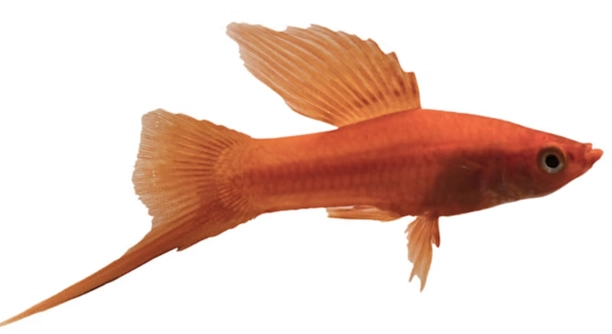
Swordtails are vibrant and active fish, but sometimes they may show little interest in their environment. Understanding the reasons behind this behavior is essential to ensuring their well-being and fostering a healthy aquatic habitat.
A lack of interest in swordtails may be caused by various factors such as water quality, stress, or even health issues. These factors can lead to lethargy or disinterest, which could indicate that your fish is not in its ideal environment.
Adjusting environmental conditions or addressing underlying health concerns can help restore your swordtail’s energy. Understanding these aspects will guide you in ensuring your fish’s vitality and well-being.
Water Quality Issues
The water quality in your tank plays a significant role in the health and behavior of your swordtail. If the water is too dirty, has an improper pH level, or lacks essential minerals, your fish will likely feel stressed and uninterested in its surroundings. Swordtails need clean, well-filtered water to thrive. Ammonia, nitrites, and nitrates should all be kept at safe levels. Regular water changes are necessary to maintain balance, along with checking the temperature. Swordtails prefer water that is between 72°F and 79°F. Maintaining the right conditions helps your fish stay active and healthy.
Water testing kits are a simple way to monitor levels in your aquarium. Testing for ammonia, nitrates, and pH ensures your tank stays balanced. If the water quality is compromised, it’s essential to correct it promptly to prevent further issues.
Fish may show signs of distress, such as lack of interest or lethargy, when water quality deteriorates. In addition to monitoring water parameters, ensure that your filter is working effectively and that water changes are done regularly to keep the tank in optimal condition. By addressing water quality, your swordtail will feel more at ease and active.
Stress from Tank Mates
Swordtails are peaceful, but they can become stressed by aggressive or overly active tank mates. When this happens, they may retreat, avoiding interaction or food. If you have fish that are known to be territorial or competitive for food, consider rearranging the tank to reduce stress.
You should always pair swordtails with compatible fish species. Ensure the tank is large enough and has enough hiding places to reduce stress and provide a safe space for your fish. A well-maintained environment encourages swordtails to engage with their surroundings.
When swordtails are in a tank with aggressive or larger fish, they may not feel comfortable exploring the tank. It is essential to consider the needs of all fish in the aquarium. A peaceful community of fish leads to a more harmonious tank environment and happier, healthier swordtails.
Water Temperature
Swordtails prefer a stable water temperature, typically between 72°F and 79°F. Sudden temperature fluctuations can stress your fish, causing them to become lethargic or less active. Maintaining the right temperature helps them feel secure and active in their environment.
An aquarium heater with a thermostat is essential for controlling temperature. Ensure the heater is functioning correctly and the tank is not subjected to drafts or extreme heat. A thermometer placed in the tank helps monitor the water, so you can make adjustments before your swordtail shows signs of distress.
If water temperature remains too cold or fluctuates too much, your swordtail will likely show no interest in eating or swimming. Ensure your tank maintains a steady temperature to avoid stress. Swordtails are sensitive to sudden changes, which can lead to decreased activity levels. Keeping water temperature consistent promotes a healthier and more active environment for your fish.
Overfeeding
Overfeeding is a common issue that can affect your swordtail’s health and behavior. Excess food left in the tank can pollute the water, creating a stressful environment. It can also lead to bloating or other digestive problems in your fish.
Make sure to feed your swordtail the appropriate amount of food, giving only what it can consume in a few minutes. This prevents uneaten food from decomposing and affecting water quality. It’s essential to establish a regular feeding schedule to prevent overfeeding.
Feeding too much can lead to more than just water issues. Swordtails that are overfed may become sluggish or uninterested in interacting with their surroundings. Too much food also causes imbalances in water quality, which in turn contributes to stress. Always be mindful of the feeding amount and frequency.
Health Problems
Health issues can cause your swordtail to lose interest in food and movement. Common problems like parasites, swim bladder disease, or internal infections may reduce their activity. If your swordtail isn’t responding as usual, it’s important to look for signs of illness.
Watch for changes in swimming patterns, appetite, or appearance. For example, bloating, faded colors, or abnormal swimming behavior could indicate a health problem. If you notice these symptoms, a trip to the vet or a quarantine tank may be necessary to treat the issue effectively.
Regularly checking for signs of illness and acting quickly is crucial for maintaining your swordtail’s health. Swift treatment can help prevent the issue from worsening, ensuring your fish remains healthy and active.
Aquarium Size
If your aquarium is too small, your swordtail may not have enough space to move freely, leading to stress. A cramped environment can also affect water quality, making it harder to maintain a stable habitat.
A larger tank will allow your fish to swim comfortably and reduce stress, which may be causing them to lose interest in their environment. Swordtails can live in tanks as small as 20 gallons, but a 30-gallon tank is ideal for a few swordtails. A spacious tank helps keep your fish happy and healthy.
Lack of Stimulation
Swordtails are naturally curious and need stimulation in their environment. Without enough hiding spots, plants, or objects to explore, they may lose interest and become inactive. Adding decorations and plants will help encourage your swordtail to swim and explore.
FAQ
Why is my swordtail hiding all the time?
Swordtails may hide when they feel stressed or unwell. If the tank conditions aren’t ideal, such as poor water quality, incorrect temperature, or aggressive tank mates, your swordtail may retreat to a hiding spot. If hiding persists, it could also signal an underlying health issue. It’s crucial to monitor water conditions, check the temperature, and ensure peaceful interactions with other fish. Sometimes, swordtails need time to adjust to their new environment, but prolonged hiding should be addressed to avoid further stress.
How do I know if my swordtail is sick?
Signs of illness in swordtails include changes in behavior, such as lethargy, loss of appetite, and erratic swimming. Physical symptoms like bloating, faded or discolored scales, or lesions may also indicate illness. You might notice your swordtail swimming near the surface or at the bottom of the tank, rather than actively swimming. Any unusual behavior or appearance should be investigated promptly to ensure proper treatment. Early detection is key to preventing the spread of disease.
Can swordtails survive in cold water?
Swordtails prefer a water temperature between 72°F and 79°F. While they can tolerate brief fluctuations in temperature, cold water (below 70°F) can weaken their immune system and make them susceptible to illness. Cold water also slows down their metabolism, leading to lethargy and a lack of interest in food. It’s important to maintain a stable, warm environment for swordtails to ensure they stay healthy and active. A heater should be used if the tank is kept in a cooler environment.
Do swordtails need a filter?
Yes, swordtails benefit from having a filter in their tank. Filters help maintain water quality by removing debris and excess waste, which prevents harmful toxins from building up. Even with regular water changes, a filter is essential for ensuring that the tank environment remains healthy. A well-maintained filter helps keep the water clean, providing a stable environment where your swordtail can thrive. Make sure to clean the filter regularly to ensure it functions effectively.
How often should I feed my swordtail?
Swordtails should be fed once or twice a day, offering only what they can consume within a few minutes. Overfeeding can lead to poor water quality, which can stress your fish and cause health problems. It’s best to offer small, balanced portions to avoid uneaten food rotting in the tank. A variety of food, such as flakes, pellets, and live or frozen foods, can help maintain a balanced diet for your swordtail. Always remove uneaten food after feeding.
Why is my swordtail not eating?
A lack of interest in food can be due to stress, poor water quality, or health problems. If your swordtail isn’t eating, first check the tank conditions. Ensure the water temperature is stable, and the water quality is optimal. If the environment is fine, the lack of appetite could be a sign of illness or stress caused by aggressive tank mates. If the issue persists, consider isolating the swordtail and seeking advice from a vet who specializes in fish.
Can swordtails live with other fish?
Swordtails are generally peaceful and can live with many other species. However, it’s important to choose tank mates carefully. Avoid overly aggressive or territorial fish that might stress your swordtail. Peaceful species such as guppies, platies, and mollies are good companions. Ensure your tank is large enough to accommodate all the fish and has enough hiding spots for everyone to feel secure.
Why is my swordtail losing color?
Swordtails can lose color due to stress, illness, or poor water conditions. Stress factors such as overcrowding, aggressive tank mates, or drastic water changes can cause them to lose their vibrant colors. Health problems, such as parasites or internal infections, can also lead to fading colors. Monitor your swordtail’s environment and behavior closely to identify the cause. If necessary, adjust water conditions or seek veterinary care for your fish.
How long do swordtails live?
Swordtails typically live between 3 to 5 years, though some may live longer with proper care. Providing a stable, clean environment, a balanced diet, and a stress-free tank will help ensure your swordtail lives a long and healthy life. Regular water changes, temperature control, and maintaining good water quality are all important factors in maximizing your swordtail’s lifespan.
Can swordtails breed in a community tank?
Yes, swordtails can breed in a community tank, but there are a few things to consider. Swordtails are livebearers, meaning they give birth to live young rather than laying eggs. If breeding is not desired, it is essential to have only male swordtails or separate males and females. If you do have males and females in the same tank, ensure there are plenty of hiding spots for the fry (baby swordtails) to avoid predation by other fish.
Final Thoughts
Swordtails are generally hardy fish, but they do require attention to their environment and health to thrive. If your swordtail shows no interest, it’s important to consider factors like water temperature, tank mates, and diet. A stable tank with the right conditions will encourage more natural behaviors and overall well-being. Paying attention to these elements ensures a healthier, more active fish.
Regular water changes, a proper filtration system, and the right tank size are also essential in maintaining a healthy habitat for your swordtail. This helps reduce the chances of stress or illness, which can affect their activity levels. Monitoring water quality and ensuring the right temperature range can prevent many common issues. It’s important to establish a feeding routine and avoid overfeeding, as this can lead to water pollution and unhealthy conditions. A balanced diet and controlled feeding will keep your swordtail happy and active.
Lastly, understanding your swordtail’s needs and keeping an eye out for signs of stress or illness will help you address any problems early. Swordtails are generally peaceful, but they do need proper stimulation, space, and a clean environment. Taking these steps will lead to a more enjoyable and healthier experience with your swordtail, ensuring it remains vibrant and active in your aquarium for years to come.

Hello,
If you enjoy the content that we create, please consider saying a "Thank You!" by leaving a tip.
Every little bit helps us continue crafting quality advice that supports the health, happiness, and well-being of pets around the world, for pets of all shapes, sizes, and species.
We really appreciate the kindness and support that you show us!