
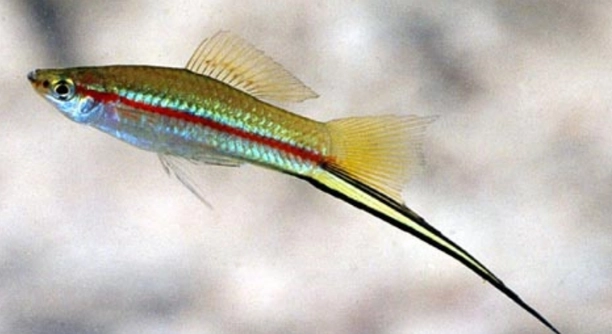
Swordtails are popular aquarium fish known for their vibrant colors and active behavior. Aquarium enthusiasts often wonder how changes in their environment affect their well-being. One of the most common questions is whether these fish can recognize such changes.
Swordtails have been observed to show some ability to recognize changes in their tank environment, such as alterations in water parameters or decor. They may not comprehend the change in the same way humans do, but they can respond to shifts in their habitat.
Understanding how swordtails react to tank changes can help in providing a better environment for these fish. Their responses to changes might seem subtle but are worth noting for long-term care.
How Swordtails React to Tank Changes
Swordtails are sensitive to their environment, which includes the water conditions, plants, and decorations in their tank. When changes occur, such as altering the substrate or introducing new tankmates, they may exhibit noticeable shifts in behavior. For instance, swordtails could become more skittish or less active in response to unfamiliar surroundings. These fish may also take some time to adjust to these new conditions, which can impact their feeding habits and overall health. Observing their behavior closely after any change is key to understanding how these changes affect them.
Changes in water temperature, pH, or the addition of new elements to the tank can lead swordtails to explore different areas of their environment. They may become more territorial or display signs of stress, such as darting or hiding. Being aware of these reactions helps prevent long-term issues.
Swordtails are intelligent fish, and their behaviors often reflect their adaptation to new situations. When adjustments are made to their tank, it’s essential to monitor how they interact with the changes. This can prevent stress and ensure their well-being. They may need a little time to reorient themselves to the new environment.
Water Quality and Swordtail Sensitivity
Water quality plays a significant role in how swordtails react to changes in their tank. They are highly sensitive to fluctuations in water parameters. Even minor changes in pH, temperature, or ammonia levels can trigger a stress response.
Keeping swordtails healthy means maintaining stable water quality. Rapid changes in water conditions can cause physical and behavioral stress, making it harder for them to adjust. If the water temperature shifts too quickly, they may become lethargic or avoid certain areas of the tank. Additionally, they may stop eating or become more aggressive. When adjusting water conditions, it’s best to do so gradually to allow swordtails to acclimate.
Maintaining stable water parameters benefits not just swordtails, but all the aquatic life in the tank. Regular water testing and adjusting conditions slowly ensures a healthy, stress-free environment for them. Swordtails are more likely to thrive in a stable tank with minimal changes to their water quality. It’s always helpful to learn what works best for their specific needs and avoid drastic shifts in water chemistry that could harm them.
Swordtails and Tank Decorations
Swordtails are naturally curious and will often explore their tank, especially when new decorations are introduced. Their response can vary based on the size and type of change, whether it’s adding rocks, plants, or other objects. They might initially act cautiously but soon adapt as they get used to the new items.
Adding decorations can provide enrichment, but it’s important not to overcrowd the tank. Swordtails need space to swim freely, and too many objects can cause them to feel confined. They may also become stressed if the decorations alter their familiar swimming patterns. Keep in mind that swordtails enjoy having hiding spots but also appreciate open water to swim in.
When making changes to decorations, observe how your swordtails react. They might use new items for shelter or may even become more playful with new hiding spots. A balance of open space and carefully placed decorations will help reduce stress and encourage a healthy environment.
The Impact of Tankmates
Swordtails are peaceful fish but can be affected by the presence of new tankmates. Introducing a new fish can lead to changes in their behavior, including increased aggression or hiding. The key is to ensure that the new tankmates are compatible and not overly aggressive.
When swordtails share a tank with other species, they may feel the need to establish territory. This can lead to changes in their activity level, with some swordtails becoming more territorial or cautious around others. It’s essential to monitor their interactions, especially when new fish are introduced, to make sure everyone is getting along.
The social dynamics in a tank can shift as swordtails learn to navigate their space with other fish. Some swordtails may become more dominant, while others may become more timid. Properly matching tankmates based on temperament and size is essential for maintaining harmony in the tank. Be prepared to remove any overly aggressive fish if necessary.
Swordtails and Light Changes
Swordtails are sensitive to changes in lighting, especially if the tank’s light intensity or cycle is altered. This can cause them to act differently, such as becoming less active or hiding more. Consistency in light exposure is key for their well-being.
Sudden changes in lighting may stress swordtails. If the light is too bright or dim, they might retreat to darker areas of the tank. Swordtails tend to thrive under a regular day-night cycle, so abrupt shifts could disrupt their natural patterns. This might lead to feeding issues or lower activity levels.
Keeping the lighting steady and providing a natural light cycle will help swordtails feel more secure and comfortable in their environment. Consistent lighting mimics their natural habitat and promotes better behavior and health.
The Role of Tank Size
Tank size is crucial for swordtails, especially when changes are made to their environment. A small tank can lead to stress and territorial behavior. Swordtails require enough space to swim freely and interact naturally with their surroundings.
Swordtails need space to explore and swim around. A cramped tank will make them feel confined, leading to changes in behavior like aggression or hiding. The more room they have, the better they will adapt to changes, whether in water conditions or new tankmates. A larger tank with proper filtration helps maintain stable water quality, which swordtails depend on for comfort.
The Importance of Routine
Routine plays a big part in the comfort of swordtails. Consistent feeding times, water changes, and general care routines help them adjust to their environment and reduce stress. Disruptions to this routine can lead to anxiety and behavioral issues.
Keeping a steady schedule for care is important for swordtails’ health and happiness. Regular water changes, feeding, and tank maintenance provide a predictable environment that swordtails are comfortable with. When these routines are disrupted, they may feel unsettled or stressed, affecting their overall well-being.
FAQ
Can swordtails adapt to sudden changes in water temperature?
Swordtails are relatively tolerant of gradual changes in water temperature. However, sudden shifts can cause them stress. If the water temperature changes too quickly, swordtails may exhibit signs of discomfort such as lethargy, erratic swimming, or hiding. To prevent this, always adjust the water temperature slowly, ideally no more than 1-2°F per hour. If you need to change the temperature, use a heater with a thermostat to control the rate of change. Stable water temperature helps swordtails remain active and healthy.
Do swordtails prefer a specific tank environment?
Swordtails thrive in tanks with plants, open swimming space, and some hiding spots. They enjoy having areas to explore and can adapt to various tank decorations, as long as the setup doesn’t feel overcrowded. A tank with live plants and hiding spots mimics their natural habitat, which provides them with comfort and security. However, it’s important to avoid cluttering the tank, as too much decoration can restrict their swimming space and cause stress. Keep a balance of open water and shelter.
Are swordtails good with other fish species?
Swordtails are generally peaceful and do well in community tanks with non-aggressive species. They can live with other peaceful fish like tetras, guppies, and mollies. However, avoid keeping them with overly aggressive fish, as swordtails can become stressed or bullied. It’s also important to ensure the tank is large enough to accommodate the different species without overcrowding. While swordtails are friendly, they may become territorial if the space is too small, especially during mating times or if other fish invade their territory.
How often should I change the water for swordtails?
Water changes are essential for maintaining a healthy environment for swordtails. A 25-30% water change every 1-2 weeks is ideal for keeping the tank clean and preventing the build-up of harmful toxins. In tanks with high fish density or poor filtration, you may need to change the water more frequently. Make sure the new water is at the same temperature and has the same pH level as the tank water to avoid shocking the fish. Regular water testing can also help ensure that the water conditions remain optimal.
Do swordtails need a special diet?
Swordtails are omnivores and can eat a variety of foods, including flake food, pellets, and live or frozen food like brine shrimp, daphnia, and bloodworms. A well-balanced diet helps maintain their health and vibrant coloration. While they will accept prepared foods, it’s important to also offer fresh greens like spinach or algae wafers occasionally. A varied diet provides them with essential nutrients, ensuring they stay active and healthy. Overfeeding should be avoided, as it can lead to water quality issues and health problems.
Can swordtails breed in a tank with other fish?
Yes, swordtails can breed in a community tank, but it’s important to provide them with a suitable environment. If you don’t want them to breed, you can separate males and females or opt for a tank with only one sex. Swordtail fry are small and can be eaten by other tankmates, so it’s crucial to provide hiding spots for them if you want to raise them. Female swordtails can store sperm and produce multiple batches of fry without needing to mate again, so be prepared for fry even if no males are present.
What should I do if my swordtails seem stressed after a tank change?
If your swordtails are stressed after a tank change, the first step is to check the water quality. Ensure the temperature, pH, and ammonia levels are stable. Swordtails are sensitive to sudden changes in water conditions, and stress can occur if parameters are not ideal. You may also want to check if there are any new tankmates that could be causing anxiety or if the tank has become too cluttered. Reducing any overcrowding, providing hiding spots, and giving the fish time to adjust can help them relax.
How do I know if my swordtail is healthy?
Healthy swordtails are active, with vibrant colors and a good appetite. They swim around the tank without showing signs of lethargy, abnormal swimming, or hiding. Their fins should be intact and free from any tears or discoloration. If your swordtail stops eating, shows abnormal behavior, or has visible signs of disease (such as white spots or bloated abdomen), it may indicate illness or stress. Quick action, such as adjusting water parameters or quarantining sick fish, is crucial to prevent any issues from spreading to other tankmates.
Can swordtails live in smaller tanks?
While swordtails can technically live in small tanks, they do much better in larger aquariums. A tank size of at least 20 gallons is ideal for swordtails, as it provides enough swimming space and helps maintain stable water conditions. Smaller tanks can cause stress, as they don’t offer the necessary space for the fish to thrive, especially if there are other tankmates. Keeping a larger tank allows swordtails to swim freely and reduces the risk of territorial behavior, promoting a healthier and more peaceful environment.
What are the signs of overfeeding swordtails?
Overfeeding swordtails can lead to several issues, including poor water quality and obesity. Signs of overfeeding include leftover food floating in the tank, increased waste production, and bloated or inactive fish. Swordtails should be fed small portions that they can consume in a few minutes. If excess food is left in the tank, it can decompose, affecting water quality and increasing the risk of disease. Maintaining a feeding schedule and observing how much your swordtails consume can help prevent overfeeding.
Final Thoughts
Swordtails are resilient fish that can adapt to changes in their environment, but they do best when their tank remains stable. Small changes, like adding new plants or adjusting the water temperature, can be managed, but sudden or drastic shifts often cause stress. It’s important to recognize how these changes affect their behavior. By observing their reactions, you can ensure they stay comfortable and healthy. Whether it’s a shift in the tank’s decor, new tankmates, or a change in water quality, paying attention to these factors helps maintain a thriving environment for your swordtails.
Consistency is key when it comes to swordtail care. Keeping a regular routine for water changes, feeding, and monitoring their tank conditions will provide them with the stability they need. Swordtails thrive when their habitat mimics a balanced and predictable environment. If the water quality is maintained, lighting remains steady, and their space is not overcrowded, swordtails will feel secure and will be more active. Ensuring they have enough room to swim, as well as hiding spots for comfort, will help reduce stress and prevent behavioral problems. Proper care and attention will keep your swordtails vibrant and healthy.
While swordtails are generally low-maintenance, being mindful of their environment will always improve their quality of life. Their adaptability is one of their strengths, but understanding how they respond to changes can make a big difference. Keeping an eye on their behavior and the overall tank conditions will allow you to spot problems early and take action. With the right care, swordtails can live long, happy lives in your aquarium. A little patience and consistency go a long way in ensuring their well-being.

Hello,
If you enjoy the content that we create, please consider saying a "Thank You!" by leaving a tip.
Every little bit helps us continue crafting quality advice that supports the health, happiness, and well-being of pets around the world, for pets of all shapes, sizes, and species.
We really appreciate the kindness and support that you show us!