
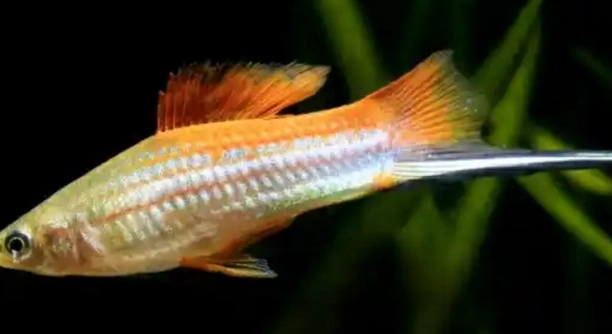
Swordtails are popular aquarium fish, known for their lively and colorful appearance. Many fish owners wonder how swordtails react to different environmental factors, especially sound and music. Exploring how they respond to auditory stimuli can offer insights into their behavior.
Research shows that swordtails do not seem to respond significantly to music or sound in the way humans or other animals might. They may react to vibrations and changes in water, but not to specific sounds or melodies.
Understanding how swordtails perceive sound could help enhance their care in a tank. By learning more about their sensory responses, we can improve their environment.
How Swordtails Hear and Perceive Sound
Swordtails, like most fish, lack ears as humans know them, but they are still capable of detecting sound through their bodies. They rely on their lateral line system, which is sensitive to vibrations in the water. This system helps them sense movement and pressure changes, allowing them to detect sounds, such as water currents or predators. While swordtails may not have the same hearing range as mammals, they can pick up vibrations from their surroundings, which could include the sounds of water pumps, air bubbles, or even music if the frequency is low enough. However, there is little evidence to suggest that swordtails respond to specific musical tones.
The vibrations swordtails detect are processed through their lateral line system, making them more aware of their environment. This ability helps them avoid danger and find food. While they might not react to sound in the way humans do, they are very responsive to changes in their surroundings.
Understanding how swordtails detect vibrations can help create a better environment for them. For example, excessive noise or vibrations from loud music or nearby appliances might cause them stress. It’s important to consider these factors, especially if you keep swordtails in a tank where external noise is a concern.
Sound Sensitivity in Fish
Fish are generally more sensitive to vibrations than sound waves in the air. Swordtails, specifically, may react to lower frequency sounds in the water, like those from tank filters or pumps.
Fish, including swordtails, experience sound and vibrations differently than land animals. Their lateral line system allows them to detect subtle changes in water movement, giving them heightened awareness of their surroundings. However, despite their sensitivity to vibrations, there is limited evidence to suggest they can interpret specific sounds or music. Instead, they respond more to the physical presence of vibrations. This means loud music or noise in their environment may disturb their sense of comfort. Ensuring a peaceful tank environment can help swordtails thrive. Keeping the noise level low and avoiding sudden loud sounds is best for their well-being.
The Impact of Music on Swordtails
Swordtails, like many other fish, may be affected by loud music or sudden noises. Their sensitivity to vibrations means that excessive sound can cause them stress. This could lead to erratic behavior, reduced appetite, or even health issues if the environment is too noisy.
When music or sound is played near swordtails, their natural habitat is disrupted. The vibrations they sense may make them feel uneasy or threatened. Fish are more accustomed to the natural sounds of water currents and gentle movements. Over time, exposure to excessive noise can affect their stress levels and overall well-being. It’s important to avoid placing loud speakers or playing music near their tank.
Constant loud noises can also interfere with swordtails’ ability to detect important vibrations, such as those from predators or food. This makes them more vulnerable and less able to interact with their environment in a natural way. Creating a calm and peaceful atmosphere is crucial for their health.
How to Create a Peaceful Tank Environment
Swordtails benefit from a peaceful, quiet tank environment. Keeping the area free from sudden loud noises or vibrations can help them feel secure.
The key to maintaining a peaceful tank is minimizing external disturbances. If you have nearby speakers, keep them away from the tank. Avoid placing the tank near high-traffic areas or noisy appliances. Even water filters or air pumps can cause vibrations, so use quieter models if possible. Maintaining the proper water quality and temperature also plays a role in reducing stress for your swordtails. Regular water changes and a stable tank environment can help ensure they remain calm and healthy.
By adjusting these elements, you can create a space where your swordtails feel at ease. The less disturbance in their surroundings, the more likely they are to thrive and engage in natural behaviors. A peaceful environment supports their well-being and overall quality of life.
Swordtails and Tank Vibrations
Swordtails are sensitive to vibrations in the water, not just sound in the air. Tank equipment like filters, pumps, and air stones can create vibrations that affect them. Over time, strong vibrations can stress them, so it’s important to monitor the intensity of these.
Tank equipment vibrations are a significant factor in a swordtail’s comfort. Filters and pumps create constant water movement, which swordtails can feel. While they are used to some degree of motion, strong or continuous vibrations may cause discomfort. It’s crucial to ensure that your tank equipment runs smoothly without excessive noise or vibration that could disturb your fish.
By choosing quieter, vibration-minimizing equipment and placing it in strategic locations, you can reduce unnecessary disruptions. Maintaining a balance between water filtration and peace in the tank ensures the swordtails stay healthy and stress-free.
Water Movements Swordtails Prefer
Swordtails naturally thrive in calm waters with slight currents. They are used to the gentle flow of water in their natural habitat. Too much water movement can cause stress.
Swordtails are known to enjoy mild water movements, similar to the gentle currents they experience in their natural environments. Excessive or turbulent water flow can disorient them, making it harder to find food or navigate the tank. It’s important to adjust filters or air stones to ensure the flow isn’t too strong. A peaceful, moderate current supports their natural behaviors without causing stress or discomfort.
Minimizing Stress for Swordtails
Swordtails are very sensitive to changes in their environment. Keeping their surroundings stable reduces stress levels. Avoid sudden changes in temperature or water quality, which can cause distress.
FAQ
Do swordtails like loud music?
Swordtails are sensitive to vibrations and loud sounds. While they do not “like” or “dislike” music in the way humans might, loud noises or strong vibrations can cause them stress. Exposure to constant noise or heavy vibrations from music could affect their well-being, causing erratic swimming patterns or hiding. It’s best to avoid loud music near their tank to maintain a peaceful environment for them.
Can swordtails hear sound?
Swordtails do not hear sound in the same way humans do. They lack ears and instead use their lateral line system to detect vibrations in the water. This system helps them sense water movement, which includes vibrations from their surroundings. While they may not respond to specific sounds, they can feel changes in water pressure or flow.
How do swordtails react to water vibrations?
Swordtails react to water vibrations through their lateral line system, which is sensitive to small changes in water movement. They can detect the vibrations caused by filters, pumps, or other equipment. If the vibrations are too strong or frequent, they may feel stressed or disoriented. Reducing excessive vibrations helps create a calmer environment for them.
What kind of water movement do swordtails prefer?
Swordtails thrive in moderate water movement, similar to the gentle currents they experience in their natural habitat. Too much water movement, like strong currents from a powerful filter, can stress them out. It’s essential to adjust the flow in their tank so that it is gentle but enough to keep the water clean and oxygenated.
Can loud noises affect swordtails?
Loud noises, like music or sudden sounds, can negatively impact swordtails. Their sensitivity to vibrations means they can detect loud noises even if they do not understand them. Prolonged exposure to loud sounds or vibrations may cause stress, reduced appetite, or erratic behavior. Keeping noise levels low helps swordtails stay calm and healthy.
Should I keep my swordtail tank away from speakers?
Yes, it is advisable to keep your swordtail tank away from speakers. The vibrations from music or sound systems can disturb your fish, especially if the speakers are near or facing the tank. Positioning the tank away from noise sources creates a more peaceful environment for swordtails.
Do swordtails enjoy calm water?
Swordtails are naturally found in calm to moderately flowing waters. They are not accustomed to turbulent water, and strong currents may cause them stress. A calm tank with minimal disruption allows them to feel secure and thrive. If you notice your swordtail is stressed, check the water flow and reduce it if needed.
Can vibrations from aquarium equipment harm swordtails?
Vibrations from aquarium equipment like filters or pumps can affect swordtails, especially if they are too intense or constant. While some vibration is necessary to maintain water quality, excessive vibrations can cause stress. Using quieter equipment and adjusting its placement can help reduce unnecessary vibrations in the tank.
How can I reduce stress for swordtails in my tank?
To reduce stress, focus on maintaining a stable and peaceful environment. Avoid loud noises and vibrations, and ensure your tank has a moderate water flow. Regular water changes, proper temperature control, and keeping the tank in a quiet area will help swordtails feel more secure. Also, provide them with plenty of hiding spots to create a comfortable space for them.
What should I avoid in a swordtail tank to prevent stress?
Avoid exposing swordtails to sudden changes in water temperature, poor water quality, or strong vibrations. Don’t place the tank near noisy appliances or loud speakers. Also, avoid overcrowding the tank, as this can lead to stress and competition for resources. Ensure there is enough space for swordtails to swim and explore freely.
Can swordtails hear tank filters?
Yes, swordtails can feel the vibrations from tank filters through the water. While they might not interpret it as “sound” like humans, they can sense the vibrations caused by the filter’s movement. If the filter is too powerful or noisy, it may cause stress. Choosing a quieter filter and placing it properly can minimize the impact.
How do I know if my swordtails are stressed?
Swordtails show signs of stress in different ways, such as erratic swimming, hiding frequently, loss of appetite, or even fading colors. If they start behaving differently or seem more lethargic than usual, check the water quality, temperature, and noise levels. Stress is often a result of environmental factors, so addressing these issues can help improve their health.
Can swordtails live in noisy environments?
Swordtails prefer quiet environments. While they are more adaptable than some species, loud noises and excessive vibrations can negatively affect them. Keeping their tank away from noise sources, like speakers or high-traffic areas, helps them thrive. A peaceful environment contributes to their overall health and behavior.
Is it okay to keep swordtails with other fish that create vibrations?
Swordtails can generally live with other fish, as long as the tank is large enough to accommodate everyone. However, fish that create strong vibrations, like those with powerful swimming habits or large tank equipment, can stress swordtails. It’s important to monitor tank conditions and ensure there is a balance in water flow and noise levels.
How do I make my swordtail tank peaceful?
To create a peaceful environment for your swordtails, place the tank in a quiet area away from loud noises. Use quiet filtration equipment and avoid placing speakers near the tank. Regularly check the water quality and temperature to ensure stability. Providing hiding spots and plants also gives swordtails a sense of security.
Are there any fish that are better suited for loud environments than swordtails?
Some fish, like goldfish or certain cichlids, are more tolerant of noise and vibrations in their environment. However, most fish, including swordtails, benefit from a peaceful tank. If you have a noisy environment, you might want to consider species that are more adaptable to such conditions, but for swordtails, a quieter setup is ideal.
Final Thoughts
Swordtails, like many other fish, are more sensitive to their environment than we might realize. While they don’t respond to sound in the same way humans do, they can still detect vibrations through their lateral line system. This makes them aware of movements in the water, including those caused by equipment like filters and pumps, as well as external factors like loud noises. Even though swordtails don’t react to music the way we might, prolonged exposure to vibrations or excessive noise can lead to stress and discomfort for them. Keeping their environment calm and stable is key to ensuring they remain healthy and active.
When setting up a tank for swordtails, it’s important to consider factors beyond just water quality and temperature. Water movement should be moderate, and you should minimize disturbances caused by strong vibrations or loud sounds. Swordtails thrive in peaceful conditions where they can feel secure and comfortable. It’s best to avoid placing your tank near loudspeakers, high-traffic areas, or noisy appliances. This allows your swordtails to live in an environment where they can swim freely, interact naturally with their surroundings, and avoid unnecessary stress. It’s the little things—like the placement of your tank and the type of equipment you use—that can make a big difference.
Ultimately, swordtails are resilient creatures, but they are also highly sensitive to their surroundings. By paying attention to their needs, such as providing a quiet, calm environment, you help them thrive. Regular maintenance, choosing the right equipment, and monitoring their behavior are simple steps that can improve their quality of life. Even though they may not enjoy or respond to music in the way humans do, creating a peaceful space for them is essential. With the right care, swordtails can live long, healthy lives and remain vibrant members of your aquarium.

Hello,
If you enjoy the content that we create, please consider saying a "Thank You!" by leaving a tip.
Every little bit helps us continue crafting quality advice that supports the health, happiness, and well-being of pets around the world, for pets of all shapes, sizes, and species.
We really appreciate the kindness and support that you show us!