
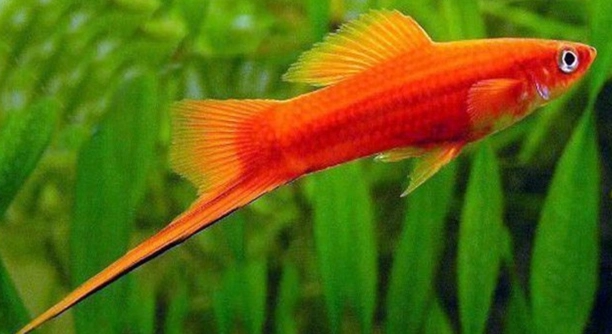
Sometimes, swordtails in aquariums can be seen biting at the gravel in their tanks. This odd behavior might leave you wondering what’s going on with your fish. It’s important to understand why this happens.
Swordtails biting the gravel is often a natural behavior linked to their instinct to forage. They may mistake the gravel for food or be scavenging for small particles to eat. This action can also be linked to stress or curiosity.
This behavior can indicate different factors, from feeding habits to tank conditions. Understanding the cause will help you create a better environment for your swordtail’s health and happiness.
Why Swordtails Bite the Gravel
Swordtails are known for being curious fish, and their behavior of biting or nibbling at the gravel is often misunderstood. This can be part of their natural instinct to explore and find food. In the wild, swordtails will sift through sand and gravel to find small organisms like worms, insects, or algae. Even in a tank environment, they might display similar behaviors. They’re simply acting on their instinct to search for food, even if there’s nothing to find.
In some cases, biting at gravel can also indicate that your swordtail is hungry or not getting enough food. If there are no small particles or food in the tank, they might start looking for something to nibble on. It’s important to make sure they’re getting the right amount of food at regular intervals.
If you notice your swordtail biting the gravel frequently, it could also be a sign that their tank is not providing enough enrichment. Swordtails, like many fish, need mental stimulation to stay happy. Without objects or plants to explore, they may resort to biting at the gravel as a way of interacting with their environment.
Possible Causes of Gravel Biting
Sometimes, the cause of gravel biting goes beyond simple curiosity. Stress can also play a major role.
If a swordtail feels stressed due to factors like water temperature changes, overcrowding, or poor water quality, it might start biting at the gravel. This behavior is often an attempt to cope with the uncomfortable environment. You can avoid this by ensuring that their habitat is stable, with clean water and appropriate tank conditions.
How to Address Gravel Biting
To reduce or stop this behavior, consider adding plants, rocks, or other hiding spots in your tank. Swordtails enjoy exploring and will appreciate a more complex environment. You can also offer them a varied diet, including sinking pellets or live food, to satisfy their natural foraging instincts. Regular water changes are also crucial for maintaining a stress-free environment.
If your swordtail continues to bite the gravel despite these changes, it could be a good idea to review your tank setup. Assessing factors like tank size and water conditions may reveal areas where improvements can be made. Taking these steps will not only prevent excessive gravel biting but also promote a healthier and happier life for your swordtail.
Stress and Its Effects on Swordtails
Stress is a common cause of unusual behavior in swordtails. It can arise from various factors such as poor water quality, sudden changes in temperature, or tank overcrowding. Swordtails are sensitive to their environment, and stress can cause them to bite the gravel as a coping mechanism.
When stress levels are high, swordtails may act out in different ways. Biting the gravel could be their attempt to find something to do or search for food when they feel unsettled. Keeping the tank environment stable is key to reducing stress. Regularly check the water temperature and maintain a clean tank with proper filtration.
If you notice signs of stress beyond gravel biting, like erratic swimming or hiding, take immediate steps to improve the tank conditions. Adding plants or decorations for shelter, and ensuring a comfortable temperature, can help ease the tension. Providing a calm, stable environment will allow your swordtail to feel more secure.
Diet and Feeding Behavior
Swordtails are opportunistic feeders, and their natural instinct is to scavenge for food. In an aquarium, if they are not getting enough food or the right type, they may begin biting at the gravel. This behavior is usually an attempt to find any edible particles that have settled there.
To address this, ensure your swordtail is being fed properly. A balanced diet of flake food, pellets, and occasional live food can meet their nutritional needs. If they are still biting the gravel, try adjusting their feeding schedule or adding different types of food. Swordtails often respond well to small, frequent meals throughout the day.
It’s also helpful to provide food that sinks to the bottom. Swordtails may prefer to forage on the tank floor for food, mimicking their natural behavior. By offering a varied diet and ensuring they are well-fed, you can minimize their need to bite at the gravel.
Tank Environment and Its Impact
The tank environment plays a significant role in your swordtail’s behavior. If the tank is too small or lacks hiding spots, your swordtail may resort to biting the gravel to keep itself occupied. A more stimulating environment helps reduce this behavior.
Make sure the tank is large enough for your swordtail to swim around freely. Adding plants, rocks, or driftwood can provide a more comfortable space for exploration. This will allow your fish to interact with their environment in a healthier way, reducing the urge to bite the gravel.
Water Quality and Maintenance
Water quality is essential for the well-being of your swordtail. Poor water conditions, like high ammonia or low oxygen levels, can cause stress and encourage odd behaviors like gravel biting. Regular water changes and proper filtration are crucial to maintaining a healthy environment.
Test the water regularly for harmful chemicals and adjust the pH levels as needed. Keeping the water clean and clear will not only help prevent stress but also promote better overall health for your swordtail. A healthy fish is less likely to engage in excessive gravel biting.
FAQ
Why does my swordtail bite the gravel?
Swordtails are naturally curious fish, and gravel biting is often a behavior linked to their instinct to forage. In the wild, swordtails sift through the substrate to find small organisms like algae or insects. If they can’t find food, they may bite at the gravel in their tank out of habit. Additionally, this behavior could be caused by stress or a lack of enrichment in their environment. Swordtails that feel bored or restless may resort to biting the gravel as a way to interact with their surroundings.
Is gravel biting a sign of poor health in my swordtail?
Not necessarily. Gravel biting does not always indicate illness or poor health. It is often a natural, exploratory behavior. However, if your swordtail exhibits other symptoms like lethargy, discoloration, or loss of appetite, it could signal health issues. In these cases, it is important to monitor your fish closely and, if needed, consult a vet. Make sure the tank conditions—like water temperature and cleanliness—are optimal to reduce the chances of health problems.
Can I stop my swordtail from biting the gravel?
Yes, you can reduce or stop the behavior. First, ensure that your swordtail has a varied and nutritious diet. Swordtails that are underfed may resort to searching for food by biting the gravel. Offer sinking pellets or live food that encourages them to forage in a healthier way. Additionally, provide plenty of tank enrichment, such as plants, rocks, or decorations, which will give your swordtail more to explore. A larger tank size and proper water quality also help in reducing stress, which can contribute to the gravel-biting habit.
How can I improve my swordtail’s tank environment?
Improving your swordtail’s tank environment involves making sure it is both spacious and enriched. Swordtails need room to swim and explore. Adding plants, rocks, and other decorations provides hiding spots and stimulation. Keep the water clean by performing regular water changes and using a quality filtration system. Ensure the water temperature is stable and within the recommended range (72°F to 82°F), and check the pH and hardness regularly. These adjustments will create a more comfortable habitat for your swordtail and may help prevent gravel biting.
What type of food should I feed my swordtail?
A balanced diet is crucial for your swordtail’s health and well-being. Swordtails thrive on a variety of foods, including high-quality flake food, pellets, and frozen or live foods like brine shrimp or daphnia. Offering a mix of these foods ensures they receive proper nutrition. Make sure the food is appropriate for their size and can sink to the bottom of the tank. Swordtails are natural foragers, so providing sinking food can satisfy their instincts without them resorting to biting the gravel.
Can stress cause my swordtail to bite the gravel?
Yes, stress is a major factor that can lead to gravel biting. Swordtails are sensitive to changes in their environment. Stress from poor water quality, sudden temperature shifts, or overcrowding can trigger this behavior. Additionally, if the tank lacks hiding spots or plants, your swordtail may feel exposed and anxious, causing it to bite at the gravel. By maintaining stable water conditions, keeping the tank clean, and providing plenty of hiding places, you can reduce stress and help prevent this behavior.
How often should I change the water in my swordtail tank?
Regular water changes are essential for maintaining a healthy tank environment. It is generally recommended to change 20-30% of the water every 1-2 weeks. More frequent changes may be necessary if you have a heavily stocked tank or if the water quality starts to decline. Use a water testing kit to check for ammonia, nitrite, and nitrate levels, adjusting your water change routine as needed. Clean water helps prevent stress and disease, which can reduce behaviors like gravel biting.
Can gravel biting be a sign of boredom in swordtails?
Yes, boredom is another possible cause for gravel biting. Swordtails are active fish that enjoy exploring their environment. If they are confined to a sparse tank without much stimulation, they may start biting the gravel as a way to pass time or entertain themselves. Adding plants, decorations, and live plants can offer your swordtail a more enriched environment. Increasing the number of hiding spots and providing regular feeding routines can also help keep them occupied and engaged.
Is gravel biting a normal behavior for swordtails in the wild?
Yes, gravel biting is a normal behavior for swordtails in the wild. They are foraging fish that actively search for food in their natural habitat. In their natural environment, swordtails sift through the substrate to find small organisms, like tiny invertebrates or algae. In an aquarium, if food is not readily available or if they lack other forms of enrichment, swordtails may resort to biting the gravel in search of something to eat or explore. This behavior is more of an instinct than a problematic habit.
Should I be concerned if my swordtail bites the gravel all the time?
Frequent gravel biting can become concerning if it is accompanied by other signs of stress, like lethargy, loss of appetite, or unusual swimming patterns. If your swordtail is constantly biting the gravel and seems restless or unhealthy, it might be a sign of stress, insufficient food, or poor water conditions. Take a look at the tank setup and check that the fish is getting enough to eat and has a comfortable environment. If the behavior continues, a water quality test or a visit to a vet might be necessary.
Final Thoughts
Swordtails are naturally curious fish, and gravel biting is usually just part of their behavior. This action is often linked to their instinct to forage, mimicking how they would act in the wild. In an aquarium, swordtails might bite the gravel in search of food or out of curiosity. While this behavior is common and not necessarily a sign of a problem, it’s important to ensure that your fish are not stressed or lacking the proper care. A balanced diet and an enriched tank environment can go a long way in minimizing this habit.
If your swordtail is constantly biting the gravel, it’s a good idea to check their tank conditions. Make sure the tank is large enough for them to swim freely and has enough plants or decorations to explore. These additions can reduce the boredom that might lead to gravel biting. Additionally, ensure that the water quality is optimal, as poor water conditions can increase stress and encourage unwanted behaviors. Regular water changes, proper filtration, and a stable temperature are all essential for creating a healthy environment for your swordtail.
Ultimately, gravel biting is often a natural and harmless behavior, but understanding the possible causes and knowing how to address them will help improve your swordtail’s overall health and happiness. By providing a nutritious diet, enriching their tank environment, and maintaining a clean and stress-free habitat, you can reduce this behavior. If gravel biting continues despite your efforts, it might be helpful to monitor your fish closely for any signs of illness or discomfort. With the right care and attention, your swordtail will thrive in a well-balanced environment, and gravel biting should become less of a concern.

Hello,
If you enjoy the content that we create, please consider saying a "Thank You!" by leaving a tip.
Every little bit helps us continue crafting quality advice that supports the health, happiness, and well-being of pets around the world, for pets of all shapes, sizes, and species.
We really appreciate the kindness and support that you show us!