
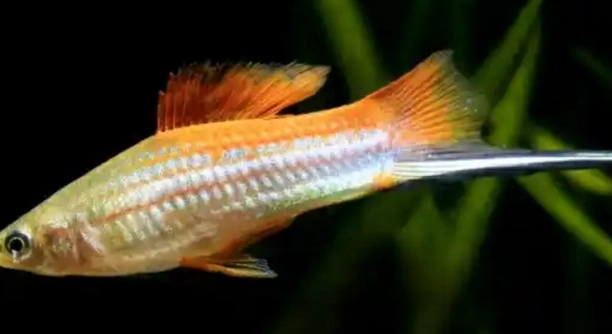
When caring for a Swordtail, it’s important to recognize signs of distress or decline in their health. Understanding these signals can help ensure you address any issues promptly. Keeping a close eye on your fish is key.
Swordtails exhibit several indicators when nearing death, including lethargy, faded coloration, lack of appetite, and abnormal swimming patterns. These symptoms suggest that the fish may be struggling with underlying health issues or stress. Immediate action is crucial.
Recognizing these signs early can help you provide the best care possible for your Swordtail. Understanding how to respond to these changes is important for maintaining a healthy aquarium environment.
Identifying Lethargy in Swordtails
Lethargy is one of the most noticeable signs that a Swordtail is in distress. When they are close to death, Swordtails tend to become less active, often hiding in corners or resting near the bottom of the tank. If your fish has been inactive for extended periods, it’s essential to observe for other symptoms that might indicate illness or injury. Fish are usually active, swimming around and interacting with the environment, so any deviation from this behavior is a red flag.
You might notice your Swordtail not responding to stimuli, such as food or movement outside the tank. This lack of response is a clear indication that the fish’s condition is worsening. It’s important to monitor this behavior closely, as it can be linked to underlying health issues like stress, disease, or poor water conditions.
If lethargy persists, test your water parameters to ensure proper temperature, pH, and nitrate levels. Poor water quality can often be a contributing factor. Making adjustments to the environment, including water changes and reducing stressors, can sometimes help revive your Swordtail. However, if lethargy continues, further intervention is needed.
Changes in Coloration
A Swordtail’s vibrant colors are one of its most striking features. When these colors begin to fade, it is a sign that something is wrong. Loss of color is often caused by stress, illness, or poor water conditions. Swordtails in poor health may appear dull or pale, which is a clear departure from their usual bright hues.
Color fading can also indicate a parasite or bacterial infection. In some cases, the fish’s immune system may weaken, preventing them from maintaining their usual colors. This symptom, combined with other behavioral changes, suggests a serious issue.
A sudden shift in your fish’s appearance should prompt immediate action. Inspect your tank for potential stressors such as aggressive tankmates or fluctuating water conditions. Providing a stable and healthy environment is crucial for restoring your Swordtail’s colors. If the fading continues despite water changes, consult an expert to determine if an underlying infection is to blame.
Loss of Appetite
When a Swordtail refuses to eat, it’s often an early sign that something is wrong. This behavior can be triggered by poor water quality, stress, or illness. Swordtails are typically eager eaters, so a sudden lack of appetite should not be ignored.
If your Swordtail is not eating, check the tank for potential stress factors, such as overcrowding or aggressive tankmates. Temperature fluctuations or water imbalances can also cause appetite loss. If these environmental factors seem fine, the issue could be more serious, like internal parasites or bacterial infections.
You can try offering different types of food to see if it encourages them to eat, but if the lack of appetite persists, it’s time to address the issue more thoroughly. Consider performing water changes and maintaining a calm environment for your Swordtail. If there’s no improvement, seek professional advice.
Abnormal Swimming Patterns
Swordtails in distress often exhibit abnormal swimming patterns, which can be one of the first signs of health problems. These behaviors include erratic swimming, staying near the surface or bottom, and struggling to maintain balance.
Sometimes, a Swordtail’s fins may appear clamped, which can make them appear stiff or rigid. This could indicate stress or a more severe health problem, such as a swim bladder disorder or an infection. Swordtails typically swim with ease, so any noticeable change in their movement is worth investigating.
When abnormal swimming is present, it’s important to check for signs of injury or external parasites. Additionally, confirm that your tank’s water quality is optimal and that the fish is not being disturbed by aggressive tankmates. Keeping the environment stable and clean is key to improving their health.
Abnormal Feces
Swordtails nearing death may produce abnormal feces, which can be a sign of digestive issues or disease. The feces may appear thin, stringy, or discolored. A change in the fish’s waste is a red flag for health problems.
The presence of unusual feces is often linked to internal parasites or bacterial infections. It’s important to monitor the fish closely for other symptoms like lethargy or weight loss. If abnormal feces persist, it may be necessary to treat the tank with medicated food or water additives to target potential infections.
Swollen Abdomen
A swollen abdomen in a Swordtail often signals internal problems, such as bloating, egg binding, or organ failure. If the fish’s belly becomes noticeably enlarged, this could indicate fluid retention or a serious illness.
The swelling may also be caused by constipation, which can be a result of poor diet or digestive problems. If the abdomen is distended, it’s important to check the fish’s behavior and water quality. Perform a water change and adjust the diet to see if the swelling reduces. If the condition worsens, seek veterinary assistance.
Gasping for Air
When Swordtails are struggling to breathe, they may hover near the surface, gulping for air. This behavior is a sign of poor water quality, oxygen deficiency, or respiratory distress.
This can be caused by high ammonia levels, insufficient filtration, or overcrowded tanks. Ensuring your tank has proper aeration and clean water is crucial. If the behavior continues, it may indicate a more severe issue like a gill infection or parasite. Make necessary adjustments to the water and consult an expert if the gasping persists.
FAQ
What are the main signs that my Swordtail is near death?
The main signs of a dying Swordtail include lethargy, fading coloration, loss of appetite, abnormal swimming behavior, and a swollen abdomen. These symptoms often indicate that the fish is dealing with stress, illness, or poor water quality. Monitoring these signs closely can help you take action before it’s too late.
How do I know if my Swordtail is stressed?
Stress in Swordtails can be observed through behaviors such as hiding, reduced activity, or erratic swimming. Stress can be caused by aggressive tankmates, water temperature fluctuations, overcrowding, or poor water quality. Reducing stress factors, such as ensuring proper tank size and water conditions, is important to help them recover.
Can poor water quality cause a Swordtail to die?
Yes, poor water quality is one of the main causes of illness in Swordtails and can lead to death. High levels of ammonia, nitrites, or nitrates, as well as fluctuating temperatures or pH levels, can all harm your fish. Regular water changes, filtration, and testing water parameters can help prevent these issues.
How can I improve my Swordtail’s chances of survival?
To improve your Swordtail’s chances of survival, ensure a clean, stable environment with appropriate water conditions. Regular water changes, monitoring temperature, pH, and ammonia levels, as well as feeding a balanced diet, are all essential to maintaining a healthy fish. If you notice any signs of illness, isolate the fish and seek treatment immediately.
Should I isolate my sick Swordtail from other fish?
Yes, isolating a sick Swordtail is a good idea to prevent potential spread of disease to other fish. Setting up a quarantine tank with clean water and monitoring the fish closely can help with recovery. If the illness is contagious, this is an important step to protect the rest of the tank.
Can Swordtails recover from disease?
Swordtails can recover from certain diseases if they receive the right treatment. In many cases, providing the proper water conditions and isolating the sick fish can help. Medications for specific illnesses, such as antibiotics for bacterial infections or antiparasitic treatments, may also be necessary. Timely intervention is key.
What should I feed my Swordtail to keep it healthy?
Swordtails thrive on a varied diet that includes high-quality flakes, pellets, and live or frozen foods such as brine shrimp, daphnia, and bloodworms. A balanced diet ensures they receive the necessary nutrients to stay strong and healthy. Avoid overfeeding, as this can lead to water quality issues.
How do I prevent disease in my Swordtail?
To prevent disease in your Swordtail, keep the tank clean and maintain stable water conditions. Regular water changes, proper filtration, and monitoring ammonia, nitrate, and pH levels are essential. Quarantine new fish before introducing them to your tank to avoid introducing potential pathogens. A healthy diet also supports immunity.
Is there a way to tell if a Swordtail is pregnant or sick?
Pregnancy in female Swordtails can be identified by a visible gravid spot near the abdomen. Pregnant females may also exhibit a slightly swollen belly. On the other hand, a sick Swordtail may show signs like lethargy, loss of appetite, and changes in behavior, which can be different from pregnancy. If in doubt, consult a professional.
Why is my Swordtail’s color fading?
Color fading can occur due to stress, illness, or poor water quality. Swordtails lose their vibrant colors when they are unhealthy or stressed. A decrease in color might also indicate a problem with their diet or an internal infection. If this happens, review their tank conditions and make necessary adjustments.
Can Swordtails die suddenly without any warning signs?
Yes, sometimes Swordtails may die suddenly without showing any prior symptoms. This could be due to underlying health issues, such as organ failure or a rapid decline in water quality. Regular monitoring and ensuring a stable environment are the best ways to minimize the risk of sudden death.
How often should I check my Swordtail’s water conditions?
Water conditions should be checked regularly, at least once a week, to ensure that the tank remains a healthy environment. Testing for ammonia, nitrites, nitrates, pH, and temperature is essential for preventing any issues that could harm your Swordtail. Frequent water changes help maintain optimal conditions.
What should I do if my Swordtail is gasping for air?
If your Swordtail is gasping for air, check the oxygen levels in the tank and make sure the filtration system is working properly. This behavior often indicates low oxygen or poor water quality. Increase aeration by adding an air pump or ensuring the filter is properly circulating water. Perform water changes and monitor the fish closely.
How can I tell if my Swordtail is suffering from a bacterial infection?
Signs of a bacterial infection in Swordtails include redness, sores, swelling, or clamped fins. The fish may also exhibit lethargy or loss of appetite. Bacterial infections can be treated with antibiotics, but it’s essential to isolate the affected fish and provide optimal water conditions to aid recovery.
What is the best temperature for a Swordtail aquarium?
Swordtails thrive in temperatures between 72°F and 79°F (22°C to 26°C). Keeping the tank at a stable temperature within this range is important for their overall health. Sudden temperature fluctuations can lead to stress and weaken the fish’s immune system, making them more susceptible to illness.
Final Thoughts
Caring for a Swordtail involves closely monitoring their health and environment. By recognizing signs of distress or illness early, you can take action to improve their well-being. Common symptoms like lethargy, fading color, or abnormal swimming should not be ignored. These could be signs of serious health issues, and swift attention can make a difference.
Proper water quality is essential for Swordtails to thrive. Regular water changes, maintaining correct pH, and ensuring the right temperature will help prevent many issues. Poor water conditions often lead to stress and disease, which can weaken the fish and reduce their lifespan. Keeping your tank clean, properly filtered, and well-maintained is crucial for your Swordtail’s overall health.
In conclusion, keeping a Swordtail happy and healthy requires careful attention to their habitat and behaviors. Whether dealing with illness, stress, or potential injury, it’s important to remain proactive. With the right care, you can ensure your Swordtail lives a long and healthy life. Always act quickly when you notice unusual signs, and don’t hesitate to consult an expert if needed.

Hello,
If you enjoy the content that we create, please consider saying a "Thank You!" by leaving a tip.
Every little bit helps us continue crafting quality advice that supports the health, happiness, and well-being of pets around the world, for pets of all shapes, sizes, and species.
We really appreciate the kindness and support that you show us!