
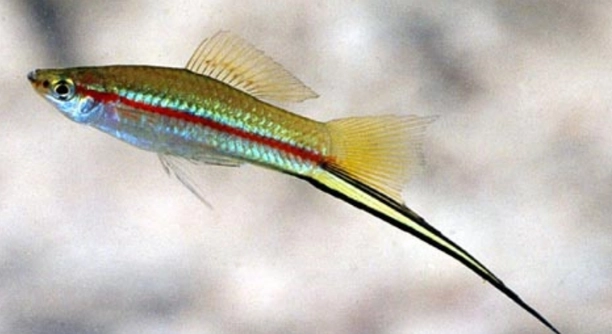
Swordtails are popular fish, known for their vibrant colors and lively personalities. However, some owners may notice their swordtails looking pale, especially in the morning. This change in appearance can be concerning.
The pale appearance in the morning is often a result of the swordtail’s natural behavior and environmental factors. They may become paler due to low light levels during the night or stress from sudden changes in water conditions.
Understanding these factors can help maintain a healthy environment for your swordtail. Proper water quality and consistent lighting can significantly improve its coloration and overall well-being.
The Role of Lighting in Swordtail Appearance
Lighting plays a crucial role in the appearance of your swordtail, especially in the early morning. Swordtails, like many fish, experience a change in coloration based on light exposure. When the lights are off at night, they become paler, as their natural colors are often less visible in dim conditions. This can make them appear more washed-out or pale when you first notice them in the morning.
The lighting schedule you provide for your tank should mimic natural day and night cycles. Having consistent light periods helps swordtails maintain their color vibrancy throughout the day. Avoid sudden changes in light intensity or timing, as these can cause stress, which may contribute to color changes.
It is important to also note that not all changes in appearance are due to lighting. Swordtails may appear duller if they feel threatened or are sick. Keeping their environment stable is the best way to ensure they stay healthy and colorful.
Stress and Its Impact on Swordtail Color
Swordtails can easily become stressed by changes in their environment. This stress can significantly impact their color. Stress factors such as sudden changes in water temperature, pH, or even overcrowding can cause swordtails to lose their vibrant colors and appear pale, particularly in the morning.
Fish that feel threatened or uncomfortable may react by retreating to darker areas of the tank, further diminishing their color. This behavior often happens during the night, which is why their paleness is more noticeable when you wake up in the morning.
Stress-induced color changes are typically temporary. However, prolonged stress can lead to more serious health issues, including a weakened immune system. Maintaining stable water conditions and a peaceful tank environment can help your swordtail feel secure and vibrant at all times.
Water Quality and Its Effects on Swordtail Color
Poor water quality can cause swordtails to appear pale, especially in the morning. Factors like high ammonia levels, nitrites, or unclean water can lead to stress, which reduces their natural color. Regular water testing and maintenance can prevent this.
To keep swordtails healthy, ensure the water is clear and free from harmful chemicals. Use a good filtration system and perform regular water changes to maintain proper pH, hardness, and temperature. Swordtails are sensitive to sudden changes in water quality, so consistency is key. Regular testing helps prevent water issues that could dull their colors.
Inadequate water conditions can weaken the swordtail’s immune system, making it more susceptible to diseases. If the water quality isn’t ideal, swordtails may retreat to darker areas of the tank, making their pale appearance more noticeable in the morning. By keeping the water clean and balanced, you can prevent this problem and help your fish maintain their natural vibrancy.
Temperature Fluctuations and Swordtail Health
Sudden changes in water temperature can affect your swordtail’s health and color. Fish that experience fluctuating temperatures may become stressed, leading to dullness in their coloration, particularly in the morning.
Swordtails are sensitive to temperature shifts, and even small changes can have a noticeable effect. To keep your fish healthy, aim to maintain a consistent water temperature that matches their needs. Ideal temperatures range from 74 to 82°F (23 to 28°C). A reliable aquarium heater can help regulate the temperature, especially in cooler environments.
Swordtails that experience temperature stress may become more vulnerable to illness, further causing color loss. If they are constantly exposed to changing conditions, they may become lethargic and exhibit poor feeding behavior, which can lead to further dullness. A stable temperature helps swordtails stay active and vibrant.
Overfeeding and Its Impact on Swordtail Appearance
Overfeeding swordtails can lead to poor water quality, which affects their coloration. Excess food decays and releases toxins into the water, stressing the fish and causing them to appear paler in the morning. Moderation is key.
Swordtails are small fish and don’t require large amounts of food. Overfeeding can lead to uneaten food accumulating at the bottom of the tank. This increases the risk of ammonia spikes, which can harm your fish. By feeding them in small amounts and removing any leftover food, you ensure a cleaner tank and healthier fish.
Tankmates and Their Influence on Swordtail Behavior
Aggressive tankmates can stress swordtails, causing them to become pale and withdrawn. Swordtails may avoid bright colors when they feel threatened or uneasy in the tank. Choosing peaceful companions can help keep them calm.
When swordtails are paired with overly aggressive fish, they can become fearful and stressed, leading to a loss of color. This stress is most noticeable in the morning when the swordtail has had a chance to rest. Providing them with compatible tankmates allows swordtails to thrive in a less stressful environment.
FAQ
Why do swordtails appear pale in the morning?
Swordtails often appear pale in the morning due to natural factors such as low light levels at night or stress from sudden environmental changes. In dim lighting, their colors are less visible, and their pale appearance is more noticeable. This change is temporary and can improve as the lights come on or as stressors are addressed.
Can lighting cause my swordtail to lose its color?
Yes, improper lighting can make swordtails appear paler. They are more vibrant under consistent, appropriate lighting. Too much or too little light can cause stress and affect their coloration. Maintaining a regular light schedule and using suitable lighting helps them maintain their natural colors.
How can I improve my swordtail’s color?
To improve your swordtail’s color, ensure it is kept in a stable, stress-free environment. Regular water changes, maintaining proper water quality, and providing consistent lighting are key. Avoid sudden temperature shifts, overfeeding, and aggressive tankmates. Healthy living conditions will help your swordtail regain its vibrant color.
How does water temperature affect swordtails?
Swordtails are sensitive to temperature fluctuations. If the water temperature drops or rises suddenly, it can cause stress, leading to a loss of color. Maintaining a steady temperature between 74°F and 82°F (23°C to 28°C) helps keep your swordtail healthy and vibrant. Avoid drastic temperature changes to prevent stress and color fading.
Is it normal for swordtails to be pale after a water change?
It is normal for swordtails to appear slightly pale after a water change, especially if the new water differs significantly from the previous conditions in terms of temperature, pH, or hardness. They may take time to adjust. Ensure that the water parameters match the ideal range for swordtails to minimize stress and color loss.
Can overfeeding affect the color of my swordtail?
Yes, overfeeding swordtails can negatively impact their color. Excess food left uneaten in the tank can decompose, releasing harmful substances that stress the fish. This stress can cause your swordtail to appear paler. Feed them in smaller amounts to avoid this problem and keep the water clean.
How do water quality and swordtail health relate?
Poor water quality can cause stress, affecting the swordtail’s color and overall health. High levels of ammonia, nitrites, or other harmful substances can lead to dull colors. Regular water testing, using a good filtration system, and performing frequent water changes are essential for swordtail health and vibrant coloration.
Do swordtails change color as they age?
Yes, swordtails may undergo some color changes as they age. Younger swordtails tend to have brighter colors, while older fish may appear slightly duller. However, significant color loss in older fish is typically due to poor health or environmental factors, such as stress or poor water quality.
Can stress cause my swordtail to lose its color?
Yes, stress is one of the main factors that can cause swordtails to lose their vibrant colors. Stress can come from various sources, including poor water quality, aggressive tankmates, overcrowding, or sudden changes in their environment. Reducing stress will help maintain their color and overall health.
How often should I clean my swordtail’s tank to prevent color loss?
Regular tank maintenance is crucial for swordtail health and vibrant colors. Perform partial water changes every week, and clean the substrate and decorations to remove any waste or uneaten food. A clean tank reduces the risk of stress and helps maintain the conditions swordtails need to thrive.
Do swordtails need special lighting to stay colorful?
Swordtails do not need special lighting, but they do require a consistent light cycle. Mimicking natural daylight helps regulate their internal clock, which can affect their behavior and coloration. Using a gentle aquarium light for 10 to 12 hours a day will help swordtails maintain their natural colors.
Can aggressive tankmates cause swordtails to lose their color?
Yes, aggressive tankmates can cause swordtails to become stressed, which often results in paleness. Swordtails may retreat to darker corners of the tank and lose their vibrancy when they feel threatened. Choosing peaceful companions will help your swordtail feel secure, preventing unnecessary stress and maintaining its colors.
Do swordtails need a specific diet to maintain vibrant colors?
A balanced diet is essential for swordtails to maintain vibrant colors. Feeding them high-quality flakes or pellets, supplemented with live or frozen foods, ensures they get the nutrients needed to stay healthy and colorful. Avoid overfeeding, as this can lead to poor water quality and stress.
How can I tell if my swordtail is sick?
If your swordtail is pale, lethargic, or behaving unusually, it may be sick. Watch for signs like rapid breathing, loss of appetite, or abnormal swimming patterns. Sick swordtails may appear less vibrant. If you notice these symptoms, check water conditions and consider isolating the fish for treatment.
What is the best way to maintain a stable environment for swordtails?
To maintain a stable environment for swordtails, focus on water quality, temperature, and lighting. Use a good filter to keep the water clean, and perform regular water changes. Keep the tank temperature consistent, avoid overcrowding, and select peaceful tankmates to reduce stress and promote healthy coloration.
Final Thoughts
Swordtails are resilient fish, but they are sensitive to changes in their environment, which can affect their health and appearance. If your swordtail appears pale in the morning, it’s often due to factors like poor water quality, stress, or improper lighting. By paying attention to these aspects, you can help your swordtail maintain its natural vibrancy. The key is creating a stable, clean, and stress-free environment for them.
Regular water changes, proper filtration, and maintaining stable temperatures are crucial for swordtail health. These simple steps go a long way in preventing stress and ensuring your fish’s colors stay vibrant. Overfeeding should also be avoided, as excess food can pollute the water and stress the fish. Being mindful of their diet and tank conditions will improve their overall health and appearance.
Finally, swordtails are hardy fish that can thrive with proper care. By understanding their needs and making small adjustments to their tank environment, you can help your swordtail stay colorful and healthy. Whether it’s adjusting the water quality, ensuring the right tankmates, or controlling temperature, each factor plays a role in keeping your swordtail at its best.

Hello,
If you enjoy the content that we create, please consider saying a "Thank You!" by leaving a tip.
Every little bit helps us continue crafting quality advice that supports the health, happiness, and well-being of pets around the world, for pets of all shapes, sizes, and species.
We really appreciate the kindness and support that you show us!