
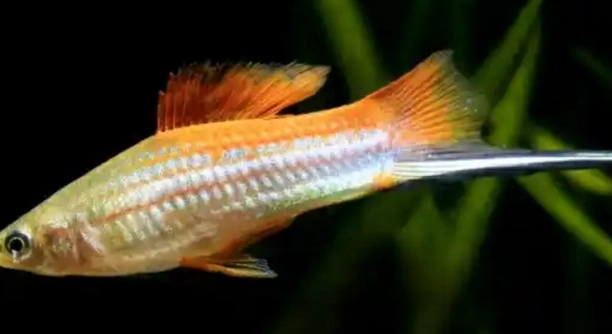
Swordtail aquariums require special attention to keep them clean and healthy. Regular cleaning is essential to ensure the well-being of both the fish and the plants in the tank. These tips will help you maintain a pristine environment.
To maintain a clean swordtail aquarium, start with regular water changes, clean the substrate, and remove any uneaten food. Utilize a quality filter, check water parameters frequently, and perform tank maintenance every week to prevent algae growth and debris accumulation.
These steps will help you maintain a balanced and clean environment for your swordtail fish.
Clean the Substrate Regularly
Keeping the substrate clean is crucial for the health of your swordtail aquarium. Debris, such as fish waste and leftover food, can accumulate in the substrate and create harmful toxins. To keep the tank clean, use a gravel vacuum to remove these waste materials. Regularly stirring the substrate can also help, especially in areas that are harder to reach. If you have live plants, be careful not to disturb the roots too much. The goal is to keep the tank’s foundation clean without disrupting the overall ecosystem. A well-maintained substrate helps promote clear water and reduces the growth of harmful bacteria.
Removing waste from the substrate should be done weekly, ensuring that you eliminate as much buildup as possible. This simple step helps reduce the need for chemical treatments and keeps your swordtail fish healthier.
A clean substrate helps improve water quality and reduces the chances of algae and other problems. It’s also beneficial for the plants in your tank, as they will thrive in cleaner conditions. If you notice areas where debris accumulates faster, consider adjusting your tank’s layout or water flow to avoid such build-ups.
Maintain Proper Filtration
A good filtration system is essential for a swordtail aquarium. It helps remove toxins, excess nutrients, and any debris in the water. Be sure to choose a filter suitable for the tank size and the needs of the fish. Cleaning the filter every few weeks will prevent clogs and ensure it works efficiently.
A high-quality filter prevents harmful substances from building up in the tank, which can cause water quality issues. Regularly check your filter’s flow rate and cleanliness to keep the water circulating properly.
Using a filter in combination with a water pump will also help oxygenate the tank, benefiting both the fish and the plants. You’ll notice your swordtail fish appear livelier, and the water will stay clear longer. Regular filter maintenance makes a significant difference in the long-term health of your aquarium.
Perform Regular Water Changes
Changing the water regularly is key to maintaining a healthy swordtail aquarium. It prevents the buildup of harmful toxins and ensures the water stays clear. Perform a 25-30% water change every week, using a siphon to remove waste from the tank.
When replacing the water, make sure it’s dechlorinated and matches the tank’s temperature. This will help avoid shocking the fish. During water changes, check the water parameters, including pH, ammonia, nitrites, and nitrates. This gives you a chance to catch any issues before they become problematic.
Water changes are a simple yet effective way to maintain the health of your swordtail fish. They help ensure proper oxygen levels and reduce the risk of disease. By making this part of your weekly routine, you’ll keep the tank in optimal condition. Keep track of the water quality to adjust the frequency of changes if needed.
Remove Uneaten Food
Uneaten food can decay quickly in the aquarium, leading to water quality issues. Swordtail fish are known for being active feeders, but leftovers can accumulate, causing a mess. Remove any uneaten food after 10-15 minutes to prevent it from decomposing and affecting the water.
Consider feeding smaller portions to avoid excess food. It’s easy to overfeed, especially if your fish are always hungry. Remove the uneaten food with a net or siphon, and check for any other debris left in the tank.
Proper feeding habits, combined with removing uneaten food, contribute to cleaner water and healthier fish. This reduces the chances of algae growth and helps maintain the overall balance in the aquarium. Feeding only what the fish can consume in a short period ensures they get the nutrients they need without harming the tank environment.
Monitor Water Parameters
Regularly checking the water parameters is essential for swordtail health. Ammonia, nitrites, and nitrates should all be monitored closely. A sudden spike in any of these can harm your fish, so having a reliable test kit is important.
Use water test kits to check the levels at least once a week. Keep track of the results to identify trends or imbalances. If you notice any issues, perform a water change or adjust the filtration system as needed.
Maintaining stable water parameters is key to preventing stress and disease in swordtail fish. Keep the tank’s pH, temperature, and hardness in check to ensure a thriving environment.
Clean the Decorations
Aquarium decorations can collect algae and debris over time. Clean them regularly to prevent any buildup that can impact water quality. Use a soft brush or sponge to remove the algae gently.
When cleaning decorations, avoid using any soap or harsh chemicals, as these can harm the fish. Simply use warm water and a brush to scrub the surfaces, removing any excess dirt.
Clean decorations also help keep your swordtail tank looking vibrant and healthy. It’s a simple yet effective way to enhance the overall appearance and maintain a cleaner environment.
Trim Plants as Needed
Aquarium plants can grow quickly, sometimes overcrowding the tank and affecting water flow. Regularly trimming them helps keep the tank tidy and allows more light to reach the swordtail fish. Use sharp scissors to cut back overgrown areas.
Trimming also promotes healthier plant growth. Remove any dead or decaying leaves to prevent them from polluting the water. Keeping plants under control helps maintain balance in the aquarium and ensures the plants don’t compete with the fish for space and nutrients.
FAQ
How often should I clean the tank for my swordtail aquarium?
It’s best to clean the tank every week. Regular cleaning, including changing the water and vacuuming the substrate, helps maintain a healthy environment for your swordtail fish. Clean the tank more frequently if you notice any signs of algae buildup or waste accumulation.
Can I use soap to clean my aquarium decorations?
No, avoid using soap or chemicals when cleaning decorations. Soap residues can harm your fish. Instead, clean decorations using warm water and a soft brush or sponge. If you need to remove algae, consider using an aquarium-safe algae scraper.
What water temperature is best for swordtails?
Swordtail fish thrive in water temperatures between 72°F and 79°F (22°C – 26°C). It’s essential to maintain a stable temperature to avoid stressing the fish. Invest in an aquarium heater if necessary to keep the water within this ideal range.
Why is my swordtail fish staying at the top of the tank?
Swordtail fish may stay at the top of the tank if the oxygen levels are low. Ensure the water is well-oxygenated by checking the filtration system and water movement. You can also add a bubbler or adjust the flow to improve oxygenation.
How do I prevent algae growth in my swordtail aquarium?
Algae growth is common but can be controlled with regular cleaning and maintenance. Reduce the amount of light your tank receives, and avoid leaving the light on for too long. Regular water changes, controlling nutrients, and cleaning decorations will also help prevent algae growth.
Can swordtail fish live with other species?
Yes, swordtail fish are generally peaceful and can live with many other species, provided the tankmates are not aggressive. Good tankmates include guppies, mollies, and tetras. Avoid keeping them with fin-nipping species or overly aggressive fish that may stress them.
How do I know if my swordtail fish are stressed?
Stressed swordtail fish may show signs like hiding, loss of color, erratic swimming, or a lack of appetite. Stress can result from poor water quality, overcrowding, or incompatible tankmates. Ensure the environment is clean, well-maintained, and suited to the needs of your swordtails.
What is the best filtration system for a swordtail tank?
A sponge filter or a hang-on-back filter works well for swordtail aquariums. Choose a filter that suits the tank size and doesn’t create too much water flow, as swordtails prefer calm waters. Clean the filter regularly to ensure it remains effective.
How can I tell if my swordtail fish are sick?
Look for signs like unusual swimming patterns, faded color, bloating, or lesions. Infected or stressed swordtails may also isolate themselves from the group. If you notice these signs, it’s best to isolate the sick fish and check the water parameters for any imbalances.
Can I breed swordtail fish in my aquarium?
Yes, swordtail fish are easy to breed in a well-maintained aquarium. They are livebearers, meaning they give birth to live young instead of laying eggs. Ensure you have a separate breeding tank or provide plenty of hiding spots for the fry to avoid being eaten by the adult fish.
What should I feed my swordtail fish?
Swordtail fish are omnivores and will eat a variety of foods. A balanced diet should include high-quality flake food, pellets, and occasional live or frozen foods like brine shrimp and daphnia. Make sure to feed them small portions two to three times a day.
How can I prevent overfeeding my swordtail fish?
Overfeeding can lead to poor water quality and health issues for your fish. Feed only what your swordtails can eat in about two to three minutes. Remove any uneaten food from the tank after feeding. Adjust portions based on their appetite to prevent excess waste.
Do swordtail fish require a lot of space?
Swordtails are active swimmers and require a tank with ample swimming space. A minimum tank size of 20 gallons is recommended for a small group of swordtails. The more space you provide, the healthier and more comfortable your swordtails will be.
Why are my swordtail fish hiding?
Swordtails may hide if they are stressed, sick, or feel threatened by other tankmates. Ensure the tank is free from aggressive species and check the water quality regularly. Also, make sure they have enough hiding spots to feel secure without being overly stressed.
How can I improve the water quality in my swordtail aquarium?
To improve water quality, perform regular water changes, use a reliable filtration system, and test the water parameters often. Remove any debris or uneaten food and ensure the water temperature and pH are within the optimal range for swordtail fish.
Can I add live plants to my swordtail aquarium?
Yes, live plants are a great addition to swordtail aquariums. They help maintain water quality by absorbing excess nutrients and providing oxygen. Make sure the plants are compatible with the fish and that they are not too delicate, as swordtails can sometimes damage plants while swimming.
What should I do if my swordtail fish are not breeding?
If your swordtail fish are not breeding, check the water conditions, temperature, and diet. Swordtails need stable, slightly warmer water to breed successfully. Provide hiding spots for the fry to protect them from adult fish, as swordtails may eat their young.
How do I acclimate new swordtail fish to my tank?
When introducing new swordtail fish, float the bag with the fish in the aquarium for about 15-20 minutes to adjust the temperature. Slowly add small amounts of aquarium water to the bag to acclimate them to the water chemistry before releasing them into the tank.
Final Thoughts
Keeping a swordtail aquarium can be a rewarding experience when proper care is taken. Maintaining clean water, stable temperatures, and a balanced environment is crucial for the health of both the fish and the plants. Regular water changes, cleaning the tank, and ensuring the right water parameters will help swordtails thrive. Monitoring their diet and keeping the aquarium free from overcrowding will also contribute to their well-being. Swordtails are resilient fish, but they need consistent attention to keep them happy and healthy.
One important aspect of keeping swordtail fish is understanding their natural behaviors. Swordtails are active and social fish, so it’s vital to provide plenty of space and hiding spots in the aquarium. A peaceful community tank with compatible tankmates will prevent stress and allow them to feel secure. Proper care includes feeding them a balanced diet, with a variety of foods like flakes, pellets, and occasional live or frozen food. This helps to maintain their vibrant colors and energy.
Finally, remember that swordtails are livebearers, and breeding them can add another layer of excitement to your aquarium. If you want to breed swordtails, ensure you provide the right conditions for both the adults and the fry. Having a separate breeding tank or offering hiding places for the young will help them survive. Swordtails are relatively easy to care for, but like any pet, they require commitment and attention. By following the tips provided, you can create a thriving environment for your swordtail fish.

Hello,
If you enjoy the content that we create, please consider saying a "Thank You!" by leaving a tip.
Every little bit helps us continue crafting quality advice that supports the health, happiness, and well-being of pets around the world, for pets of all shapes, sizes, and species.
We really appreciate the kindness and support that you show us!