
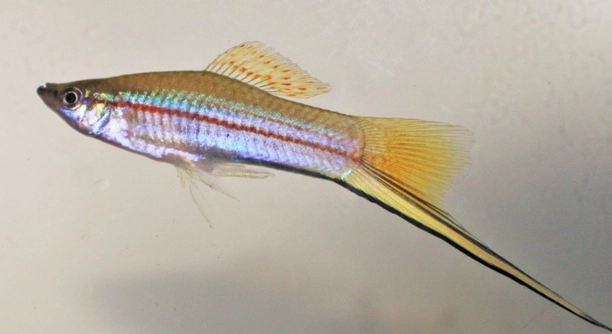
Swordtails are lively fish, often seen in aquariums with their bright colors and swift movements. However, their behavior can raise concerns, especially when they start nipping at each other. This article will explore why this happens.
The main reason swordtails nip at each other is due to territorial behavior or competition. Males may show aggression to establish dominance, especially during mating season. Additionally, overcrowding or lack of hiding spaces can increase stress and lead to nipping.
Understanding the reasons behind their behavior can help you create a more harmonious aquarium environment for your swordtails. This will ensure their well-being and reduce the likelihood of aggressive interactions.
Territorial Behavior and Competition Among Swordtails
Swordtails are naturally territorial fish, especially the males. They often become more aggressive when they are trying to establish dominance or attract mates. During breeding periods, males may chase and nip at one another to assert their position. This behavior is common in fish species and usually occurs when they feel the need to protect their space or increase their chances of mating.
Stress levels play a significant role in intensifying these aggressive behaviors. Overcrowding in aquariums can make swordtails feel threatened and lead to more frequent nipping. A lack of adequate hiding spots also forces them to interact more than they would naturally prefer. This can make the situation worse, especially for less dominant swordtails.
Providing enough space and hiding spots in the aquarium can reduce these conflicts. By ensuring that each swordtail has room to establish its own territory, you can help them coexist peacefully. Adding plants and decorations to break up their line of sight can also give them the privacy they need.
Overcrowding and Stress
Stress is another leading factor in swordtail nipping. When an aquarium is overcrowded, fish often feel threatened and may engage in territorial disputes.
Fish like swordtails thrive when they have enough space to swim and establish territories. Adding too many swordtails to a small tank can result in heightened competition for resources, causing stress and aggression. This can lead to more frequent nipping, especially among males. A good rule of thumb is to avoid overpopulating your tank, as this can prevent many behavioral issues.
Ensuring a balanced environment with sufficient space can help reduce aggression. When swordtails feel secure, they are less likely to engage in harmful behaviors. By providing proper conditions, you can create a peaceful space for your swordtails to thrive.
Aggressive Mating Behavior
Males swordtails often display aggression during mating seasons. They chase and nip each other as part of their effort to claim dominance. This behavior intensifies when females are nearby, as the males compete for attention.
While this might seem harsh, it is part of their natural reproductive process. Males often demonstrate physical dominance through these interactions, and it helps ensure that only the strongest genes are passed down. However, these aggressive displays can stress other swordtails and cause harm if left unchecked. Ensuring proper tank conditions and providing sufficient space can help reduce unnecessary aggression during these periods.
To minimize aggression, consider balancing the male-to-female ratio in your tank. Having more females than males can reduce competition among the males. Additionally, offering plenty of plants and hiding spots will allow the fish to retreat if needed, which can help reduce stress and aggression.
Environmental Factors and Water Quality
Water quality plays a significant role in the behavior of swordtails. Poor water conditions can stress fish and trigger aggressive behaviors like nipping. Maintaining a clean, stable environment is crucial for their health.
Swordtails thrive in well-maintained tanks with appropriate temperature, pH levels, and water hardness. Any fluctuation in these factors can create stress and lead to increased aggression. Regular water changes and proper filtration can help prevent poor water quality, keeping swordtails calm. If the water is too warm or oxygen levels are low, swordtails may react more aggressively toward one another. Maintaining stable, clean water conditions is vital for a peaceful tank environment.
Tank Size and Space
A cramped tank can contribute to swordtail nipping. When space is limited, fish feel more stressed and may act aggressively. It’s essential to provide enough room for each swordtail to establish its territory.
Swordtails need space to swim and interact comfortably. If the tank is too small, they may feel crowded and territorial disputes can arise. A general rule is to have at least 20 gallons of water for a small group of swordtails, with extra space for hiding spots. More space will help reduce aggression and allow swordtails to thrive.
Social Hierarchy and Dominance
Swordtails establish a social hierarchy within their group. The dominant fish often display aggressive behavior to maintain their position, which can lead to nipping at subordinates. Males are particularly prone to this when competing for mates.
Understanding the hierarchy in your tank can help you anticipate and manage aggression. Providing enough hiding spots or separating aggressive fish may reduce the impact of this behavior. If one fish becomes overly aggressive, it’s better to address it early by removing it or adding more hiding spaces.
Tank Companions
Choosing the right tank mates is important for minimizing swordtail aggression. Some species may provoke swordtails, leading to more frequent nipping. It’s crucial to avoid adding overly territorial or aggressive species to the tank.
Swordtails tend to do well with peaceful community fish like tetras, guppies, and corydoras. However, aggressive or fin-nipping species, such as bettas or large cichlids, can exacerbate their nipping behavior. When selecting companions, make sure they are compatible in terms of temperament and size to maintain harmony in the tank.
FAQ
Why do swordtails nip each other?
Swordtails nip each other primarily due to territorial disputes or competition, particularly among males. When males are competing for a mate or trying to assert dominance, they may display aggressive behavior like chasing and nipping. This is most common during mating season when males become more focused on securing their position. Stress from overcrowding or lack of hiding spaces can exacerbate this aggression.
How can I stop swordtails from nipping?
To reduce nipping, make sure your swordtail tank is spacious enough to allow each fish to establish its own territory. Ensure there are plenty of plants or decorations for them to hide behind, which helps reduce stress and competition. Also, avoid overcrowding and consider having more females than males in the tank to reduce male competition. Regular water changes can also improve overall health and behavior.
Do male swordtails nip each other more than females?
Yes, males are more likely to engage in nipping behaviors, particularly during breeding seasons. They compete for the attention of females and may chase or nip at each other to establish dominance. Females are less involved in such aggressive behaviors and tend to be more passive in the tank.
Can swordtail aggression be caused by poor water quality?
Poor water quality can increase stress levels in swordtails, which may lead to more aggressive behavior, including nipping. Swordtails are sensitive to water parameters such as pH, temperature, and hardness. When water conditions are unstable or improperly maintained, they become stressed, which can trigger territorial aggression. Regular water changes, proper filtration, and maintaining consistent water parameters will help reduce this problem.
What is the ideal tank size for swordtails to prevent nipping?
A tank of at least 20 gallons is recommended for a small group of swordtails. This provides enough space for them to swim and establish their territories without feeling cramped. A larger tank will also make it easier to maintain stable water conditions, which is essential for reducing stress and aggression. Adding plants, rocks, or other decorations can help break up the space and give swordtails more opportunities to retreat and avoid conflict.
Can overcrowding cause swordtails to nip at each other?
Yes, overcrowding is a common trigger for aggressive behavior in swordtails. When there are too many fish in a tank, swordtails feel stressed due to competition for space, food, and resources. This heightened stress can lead to more frequent and intense nipping. It’s important to maintain a proper fish-to-tank ratio and ensure there is enough space for each fish to establish its own territory.
Are swordtails more likely to nip when they are hungry?
Swordtails may exhibit aggressive behavior, including nipping, if they are hungry or not receiving enough food. When there is competition for food, swordtails can become more territorial and engage in nipping to defend their resources. To prevent this, feed swordtails regularly, making sure to provide enough food for all the fish in the tank. This will help reduce competition and minimize aggressive behavior.
Can I add other fish species to my swordtail tank without increasing nipping?
It is important to carefully choose tank mates for swordtails. Peaceful, non-territorial fish like tetras, mollies, and corydoras can coexist well with swordtails without increasing nipping behavior. However, aggressive fish or species that nip fins, such as bettas or large cichlids, should be avoided as they may cause more stress and trigger nipping among swordtails. Always consider the temperament and size of potential tank mates to ensure compatibility.
How can I tell if my swordtails are stressed?
Stressed swordtails may display several signs, such as erratic swimming, hiding more frequently, or showing signs of injury from nipping. They may also lose their vibrant color and appear more lethargic. Stress can result from poor water quality, overcrowding, or incompatible tank mates. Keeping an eye on their behavior and ensuring their environment is stress-free can help prevent these issues.
Are swordtail nips harmful to other fish?
While swordtail nips are typically not harmful to other species, they can cause stress and injury, especially in more peaceful or smaller fish. If a swordtail is continuously nipping at others, it can cause damaged fins or scarring. This is why it’s important to address aggressive behavior early by ensuring a well-maintained tank with enough space and hiding spots for all fish.
What should I do if a swordtail is constantly nipping?
If a swordtail is continuously nipping, it may be due to territorial behavior or competition. Consider rearranging the tank to disrupt the established territories and provide a fresh start. You may also need to separate overly aggressive fish or introduce more hiding spots to give less dominant swordtails a place to retreat. If the problem persists, removing the aggressive fish might be necessary to restore harmony in the tank.
Final Thoughts
Understanding why swordtails nip at each other is essential for creating a peaceful environment in your aquarium. Nipping can be triggered by various factors, such as territorial disputes, competition during breeding, or stress caused by poor water quality. Males are particularly prone to nipping, especially when they are vying for the attention of females. This natural behavior is common in many species, but it can become problematic if not managed properly. By observing their behavior closely, you can take steps to reduce unnecessary aggression and ensure the well-being of your swordtails.
Providing a spacious tank with enough hiding spots is one of the best ways to reduce nipping. Swordtails need space to establish their territories, and overcrowding can heighten stress and lead to more aggressive behavior. A tank of at least 20 gallons, with plants, rocks, and decorations, can help create a more natural environment. This gives the fish areas to hide or escape from aggressive encounters. Additionally, maintaining proper water conditions—such as stable temperature, pH levels, and water hardness—helps to keep your swordtails calm. Clean water reduces stress and supports healthy fish, making them less likely to act aggressively.
While it’s impossible to eliminate nipping entirely, you can manage it by adjusting factors like tank size, water quality, and the number of fish in the tank. It’s also crucial to choose compatible tank mates. Some species may provoke more aggression in swordtails, which could lead to increased nipping. Adding more females than males can also help balance the competition for mates. By understanding the underlying causes of aggression and making adjustments, you can create a comfortable and healthy environment for your swordtails, reducing unnecessary stress and improving their overall quality of life.

Hello,
If you enjoy the content that we create, please consider saying a "Thank You!" by leaving a tip.
Every little bit helps us continue crafting quality advice that supports the health, happiness, and well-being of pets around the world, for pets of all shapes, sizes, and species.
We really appreciate the kindness and support that you show us!