
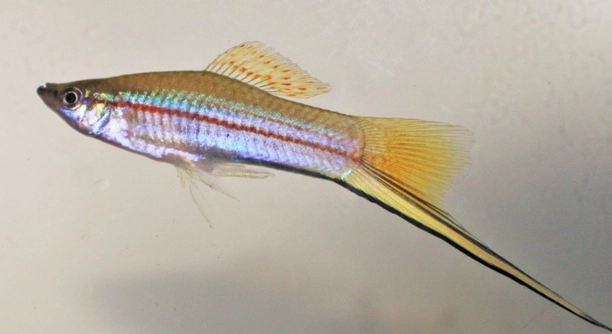
Swordtails and mollies are popular aquarium fish, often admired for their bright colors and active nature. Keeping them together can seem like a natural choice for aquarium enthusiasts looking to create a vibrant community tank.
Swordtails and mollies can be kept together in the same aquarium, as both species are peaceful and thrive in similar water conditions. However, it’s important to consider tank size, water quality, and the compatibility of male fish to ensure harmony.
With a little care and attention, you can create a thriving environment for both species. The key is understanding how their needs align.
Understanding Swordtails and Mollies
Swordtails and mollies are both livebearers, meaning they give birth to live young instead of laying eggs. These fish are popular in freshwater tanks due to their hardiness and vibrant colors. Swordtails are recognized for their unique, sword-like tails, while mollies come in various colors and shapes, including balloon and lyretail varieties. Both species are generally peaceful, but their behavior can vary depending on their environment.
The most important aspect to consider when keeping swordtails and mollies together is their need for clean, well-maintained water. Both species are comfortable in water with a temperature range of 72-82°F (22-28°C) and a slightly alkaline pH of 7.5 to 8.5. When kept in these conditions, they are more likely to thrive and live peacefully. Proper filtration and regular water changes will help maintain the health of both species and reduce the risk of diseases.
Despite their peaceful nature, males can become territorial, especially when multiple males of each species are present. Having a larger tank can help spread out any aggression. It’s also essential to provide plenty of hiding spots and plants to create a comfortable environment where both swordtails and mollies can coexist peacefully.
Tank Size and Compatibility
Both swordtails and mollies are relatively small fish, but they do require a larger tank to avoid overcrowding. A 30-gallon tank is a good starting point for housing both species together.
In larger tanks, swordtails and mollies will have enough space to swim freely, reducing the likelihood of territorial behavior. However, overcrowding can lead to stress and aggression, so it’s important to avoid adding too many fish to the tank.
Water Quality and Temperature
Maintaining good water quality is crucial for both swordtails and mollies. They are sensitive to ammonia, nitrites, and poor filtration. Regular water changes are necessary to keep toxins at bay.
Both species thrive in soft to moderately hard water. They prefer temperatures between 72°F and 82°F (22°C to 28°C). If the water is too cold or too hot, they may become stressed, leading to health problems. Consistent water conditions also prevent excessive algae growth, which can cause additional stress. To keep your fish healthy, test the water regularly for pH, hardness, and temperature.
A reliable aquarium heater will help maintain a stable water temperature. A quality filtration system ensures water clarity and minimizes harmful bacteria. Regular monitoring of the water will keep your fish comfortable and reduce the risk of common illnesses. Healthy water quality creates a stress-free environment where swordtails and mollies can thrive together.
Feeding Habits
Swordtails and mollies are both omnivores and will accept a variety of foods. Their diet should include both plant-based and protein-rich foods. High-quality flakes or pellets are ideal for regular feeding.
You can supplement their diet with live or frozen foods like brine shrimp, daphnia, or bloodworms. However, avoid overfeeding, as uneaten food can pollute the water. Both species enjoy algae, so providing algae wafers can be beneficial. A varied diet ensures your fish receive all the nutrients they need to stay healthy. If feeding them too much, water changes should be done more frequently to maintain water quality.
Make sure to feed your fish small amounts several times a day, ensuring they don’t become stressed from competing for food. This also prevents any leftover food from affecting water conditions.
Tank Decorations and Hiding Spots
Both swordtails and mollies enjoy plants, rocks, and other decorations to swim around and hide in. These provide shelter and reduce stress, especially in a shared tank.
Adding live plants can also help with water quality by absorbing excess nutrients. Consider hardy plants like Java fern or Anubias that can survive in varying water conditions. Proper tank decoration will allow each fish species to establish their own territory while reducing the likelihood of aggression. Keep decorations simple yet effective to encourage natural behavior.
Male-to-Female Ratios
Swordtails and mollies, especially males, can sometimes become territorial, particularly when there’s an imbalance in the male-to-female ratio.
To reduce aggression, it’s recommended to have a higher number of females than males. A 1:2 or 1:3 male-to-female ratio can help prevent males from becoming overly competitive and territorial. This ensures a more peaceful tank and allows the fish to feel less stressed.
Monitoring Fish Behavior
Regularly observing your swordtails and mollies can help identify any early signs of stress or aggression. Watch for fin nipping or unusual hiding, which could indicate tension.
If any behavior seems out of the ordinary, consider rearranging tank decorations to disrupt territorial patterns. Keeping an eye on how the fish interact can help maintain a peaceful environment.
FAQ
Can swordtails live with mollies?
Yes, swordtails and mollies can generally live together in the same tank. Both species are peaceful and thrive in similar water conditions. The key to success is ensuring there is enough space, proper water quality, and a balanced male-to-female ratio to prevent territorial behavior. If these conditions are met, swordtails and mollies can coexist peacefully.
What is the best tank size for swordtails and mollies?
A 30-gallon tank is recommended for housing both swordtails and mollies. This size provides enough space for both species to swim freely and reduces stress. A larger tank allows more room for hiding spots and reduces territorial conflicts. For each additional fish, it’s advisable to add 5 gallons of water.
Do swordtails and mollies need a filter?
Yes, both swordtails and mollies benefit from a good filtration system. Filters help maintain water quality by removing debris, excess food, and toxins. Swordtails and mollies are sensitive to poor water conditions, so a filter will help ensure their health by keeping the water clean and oxygenated.
How often should I change the water in a tank with swordtails and mollies?
Water changes should be done every 1-2 weeks, depending on the size of the tank and the number of fish. A 20-30% water change every week helps maintain water quality and remove toxins. In tanks with higher fish populations or if overfeeding occurs, more frequent changes may be necessary.
What temperature is best for swordtails and mollies?
Swordtails and mollies both thrive in water temperatures between 72°F and 82°F (22°C to 28°C). Keeping the water within this range helps reduce stress and prevents disease. A reliable heater can maintain a consistent temperature, which is important for their well-being.
Do swordtails and mollies need live plants in their tank?
While live plants are not essential, they can provide a more natural environment for swordtails and mollies. Plants offer hiding spots, reduce stress, and help improve water quality by absorbing excess nutrients. Plants like Java fern and Anubias are suitable for tanks with swordtails and mollies due to their hardiness.
Can swordtails and mollies breed together?
No, swordtails and mollies cannot breed together as they are different species. However, both species are livebearers, meaning they give birth to live young. If you have both in the same tank, it’s possible that each species will breed separately, but no hybrid offspring will result.
How many swordtails and mollies can be kept in a 30-gallon tank?
In a 30-gallon tank, you can keep around 6-8 swordtails and mollies combined. It’s important to maintain a proper male-to-female ratio to reduce aggression. A balanced ratio, such as 1 male to 2 or 3 females, can help create a peaceful environment for both species.
Do swordtails and mollies eat the same food?
Yes, swordtails and mollies have similar dietary needs. They are omnivores and will eat a variety of foods, including high-quality flakes, pellets, live or frozen food like brine shrimp, and algae. Providing a balanced diet helps keep both species healthy and vibrant.
Can I keep more males than females in a tank with swordtails and mollies?
It’s not advisable to keep more males than females in a tank with swordtails and mollies. Males tend to become territorial and may fight for the attention of the females, leading to stress and aggression. Keeping more females than males helps reduce conflict and promotes a more peaceful tank environment.
Final Thoughts
Swordtails and mollies can make great tank mates when their needs are met. Both species are peaceful, colorful, and active, which makes them popular choices for community tanks. They thrive in similar water conditions, making it easy to create a shared environment for both. With proper care and attention to tank size, water quality, and the right male-to-female ratio, these fish can live happily together.
However, it’s important to monitor their behavior closely, especially when introducing new fish into the tank. Swordtails and mollies may display territorial behavior if they feel crowded or stressed. Ensuring that there is enough space for each fish to establish its territory is key to reducing conflicts. Adding plants, rocks, or decorations can provide hiding spots and make the tank feel more natural, which can help keep the fish calm.
By following the basic care guidelines for both species, you can create a peaceful and thriving aquarium. Regular water changes, maintaining a steady temperature, and offering a balanced diet will go a long way in promoting health and happiness for both swordtails and mollies. With the right environment, these fish can coexist well, providing you with a colorful and dynamic addition to your aquarium.

Hello,
If you enjoy the content that we create, please consider saying a "Thank You!" by leaving a tip.
Every little bit helps us continue crafting quality advice that supports the health, happiness, and well-being of pets around the world, for pets of all shapes, sizes, and species.
We really appreciate the kindness and support that you show us!