
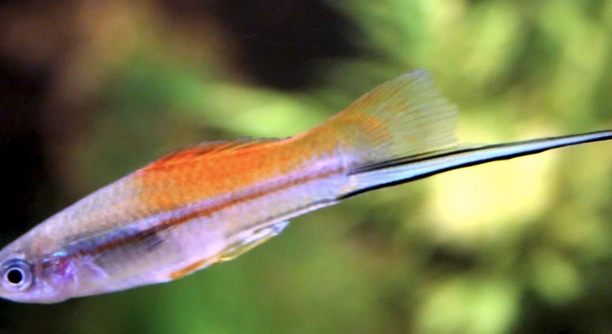
Swordtails are popular aquarium fish, known for their bright colors and lively nature. If you have them in your tank, you may be wondering whether they will eat their own babies. It’s a common concern among aquarium enthusiasts.
Swordtails, like many fish species, may eat their young, especially if they feel stressed or if the babies are left unprotected. This behavior is often a survival instinct, as they might consume weak or sickly fry.
Understanding the factors that influence this behavior can help you prevent it. With the right environment and care, you can improve the survival chances of your swordtail fry.
Why Do Swordtails Eat Their Babies?
Swordtails, like many fish, can sometimes display aggressive behaviors toward their fry. This can include eating them. A major factor is stress. Swordtails, especially in a crowded tank, may feel threatened or unsafe. This stress can trigger a survival instinct to reduce the number of offspring to ensure the survival of the strongest. In some cases, they may also mistake the fry for food due to their small size.
Another reason is the lack of hiding spots for the baby swordtails. Without plants, rocks, or other structures to shield them, the babies are easy targets. Swordtails in the wild would naturally swim away from predators or seek cover. However, in a tank, they may not have enough hiding spaces to feel safe.
It’s also important to note that not all swordtails will eat their fry. It often depends on the individual fish’s temperament, their environment, and whether they feel secure. But providing the right conditions can reduce the likelihood of this happening.
How to Prevent Swordtails from Eating Their Babies
The best way to prevent swordtails from eating their young is by creating a safe environment. This includes adding enough plants and decorations to provide hiding spots for the fry. With a few small adjustments, the fry can have a better chance of survival.
One method to protect the fry is to separate them from the adult swordtails. Using a breeding box or divider can help keep the babies away from the adults until they are large enough to avoid being eaten. If you don’t want to separate them entirely, ensure that there are plenty of hiding places in the tank. Plants like Java moss or floating plants provide excellent cover.
Another approach is to keep swordtail parents well-fed. When fish are well-fed, they are less likely to eat their fry out of hunger. Additionally, reduce any stress factors in the tank, such as excessive noise or overpopulation. A peaceful, well-maintained environment can lead to better outcomes for both the adults and the fry.
Tank Conditions and Their Impact on Fry Survival
The environment in which swordtails live plays a major role in whether they eat their fry. Overcrowding, poor water quality, or even the presence of other aggressive species can cause stress, leading to destructive behavior toward the babies.
A clean tank with proper filtration ensures that swordtails remain healthy and less stressed. Overcrowding not only stresses the adults but also limits the fry’s space to hide. Adequate water changes and maintaining a steady temperature are key. Healthy water conditions make it easier for the swordtails to adapt and thrive without resorting to such behaviors.
Proper lighting is another factor to consider. If the tank is too bright, fish can become skittish, increasing stress levels. On the other hand, a tank with dim lighting and plenty of plants for cover helps the fry feel more secure, reducing the chances of them being eaten.
Feeding and Care for Swordtails
Keeping your swordtails well-fed can reduce the likelihood of them eating their own babies. A balanced diet of high-quality flakes, frozen food, or live food can keep them satisfied and less likely to view their fry as food.
Frequent feedings of small amounts are better than one large meal a day. It prevents the swordtails from feeling hungry and helps maintain a balanced diet. Offering variety in their diet—such as brine shrimp, daphnia, or bloodworms—ensures they get the nutrition they need, improving their overall health and reducing the instinct to consume their young.
Don’t overlook the importance of calcium for breeding swordtails. A calcium-rich diet supports strong bones and proper egg development, which is beneficial for the health of both the parents and the fry. Healthy swordtails are less likely to act out of aggression toward their offspring.
Separation Techniques to Protect Fry
If you’re worried about swordtails eating their babies, separating them from the adults can be an effective solution. You can use a breeding box or a tank divider to keep the fry safe until they are large enough to avoid being eaten.
Breeding boxes are simple to set up and can be placed inside the tank. They allow the fry to swim freely while keeping them away from adult swordtails. Make sure the box has small enough openings to prevent the adults from reaching in and eating the fry. This method offers a secure environment for the babies to grow.
The Role of Hiding Places
Providing plenty of hiding spots in the tank can help the fry stay safe. Plants, decorations, and rocks provide excellent cover for baby swordtails to escape adult attention.
When fry have places to hide, they are less likely to be eaten. Swordtails are naturally curious and will explore their environment, so they’ll often miss the hidden fry if there are plenty of nooks and crannies to retreat to. Floating plants like hornwort or Java moss can be particularly useful.
Recognizing Stress Signs in Swordtails
Stress in swordtails can lead to unwanted behaviors, including aggression toward fry. Common signs of stress include rapid gill movement, hiding, or refusal to eat.
Monitoring stress levels can help you prevent destructive behavior. If you notice these signs, check water quality and ensure the tank is not overcrowded.
FAQ
Do swordtails always eat their babies?
Not all swordtails eat their babies. While it’s common for some fish species to eat their fry, it often depends on factors like stress, tank conditions, and individual temperament. Swordtails in a well-maintained, peaceful environment with plenty of hiding spots may have a lower chance of eating their young.
Why do swordtails eat their fry?
Swordtails may eat their fry due to a natural survival instinct. When stressed or in overcrowded conditions, swordtails may eat weaker fry to reduce the number of offspring they have to care for. In some cases, they might mistake the fry for food, especially if the babies are small or unprotected.
How can I tell if my swordtail is stressed?
Signs of stress in swordtails include rapid gill movement, hiding, or refusing to eat. They might also display aggressive behavior toward tank mates or become lethargic. Stress can be caused by poor water conditions, overcrowding, or sudden changes in the tank environment.
Can I stop swordtails from eating their babies?
Yes, you can reduce the chances of swordtails eating their fry. Ensuring the tank has proper hiding spots, keeping the water clean, and reducing stress levels are key steps. You can also separate the fry using a breeding box or divider to keep them safe from adult swordtails.
Do swordtails need to be separated from the fry?
It can be beneficial to separate swordtails from their fry, especially if you want to ensure the babies survive. Using a breeding box or tank divider can keep the fry safe while they grow. However, if there are plenty of hiding spots in the tank, separation might not always be necessary.
What can I do to prevent swordtails from eating their fry?
To prevent swordtails from eating their fry, focus on creating a stress-free environment. Provide plenty of plants and decorations for hiding spots, ensure the tank isn’t overcrowded, and keep the water conditions optimal. Well-fed swordtails are less likely to eat their young.
Are there any specific plants that help protect fry?
Plants like Java moss, hornwort, and floating plants offer great hiding spots for fry. These plants provide cover where baby swordtails can swim and stay hidden from adult fish. The more places the fry have to hide, the safer they’ll be from being eaten.
Do swordtails eat their babies if they are hungry?
Sometimes, swordtails may eat their fry out of hunger. However, this behavior is more likely when the fish are not well-fed or if there’s not enough food in the tank. Offering a variety of foods and feeding them regularly can help reduce this risk.
Can swordtail fry survive without a separate tank?
Fry can survive without a separate tank if there are enough hiding spots in the main tank. Using plants like Java moss or adding small rocks and decorations can give the fry a chance to escape adult swordtails. However, it’s still safer to separate them if you’re concerned.
What should I feed my swordtails to prevent them from eating their fry?
Feed your swordtails a balanced diet with a variety of foods, such as high-quality flakes, live food, and frozen options like brine shrimp or bloodworms. A well-fed swordtail is less likely to eat their fry, as they are less likely to feel hungry or stressed.
How do I know when it’s safe to release fry back into the main tank?
Wait until the fry are large enough to avoid being eaten. Typically, fry should be at least half the size of the adult swordtails before being released back into the main tank. Ensure there are plenty of hiding spots available for them to avoid any potential dangers.
Is it safe to keep swordtail fry in a breeding box for too long?
While breeding boxes are useful for keeping fry safe from adult swordtails, it’s important not to keep them in there for too long. Fry need space to grow and develop. After a few weeks, once they are strong enough, you can release them back into the tank.
Do swordtails eat their fry in the wild?
In the wild, swordtails may eat their fry, but it’s less common than in captivity. In their natural environment, swordtails have more space and hiding spots to protect their young. However, under stressful conditions, they may still exhibit this behavior.
What should I do if swordtails keep eating their fry?
If swordtails are consistently eating their fry, it may be a sign of environmental issues. Check for overcrowding, poor water quality, or inadequate food supply. Improving tank conditions, adding more hiding spots, and ensuring the swordtails are well-fed can help reduce this behavior.
How long does it take for swordtail fry to grow large enough to avoid being eaten?
Swordtail fry typically grow large enough to avoid being eaten after 4 to 6 weeks. The time it takes can depend on water temperature, food supply, and overall tank conditions. Fry that are well-fed and in a stable environment tend to grow faster.
Final Thoughts
Swordtails are fascinating fish with unique behaviors, especially when it comes to their fry. While it is common for some fish to eat their young, this behavior is not always a certainty with swordtails. There are several factors that contribute to whether swordtails will eat their fry, such as stress levels, overcrowding, and tank conditions. By paying attention to these elements, it is possible to reduce the chances of the adults consuming their babies. Keeping the tank clean, providing hiding spots, and ensuring a healthy environment for both the adults and fry can go a long way in making sure the babies grow to adulthood.
Additionally, feeding your swordtails a balanced and varied diet helps to keep them satisfied, which can also reduce the likelihood of them eating their young. When swordtails are well-fed, they are less likely to see their fry as food. Maintaining a healthy and stress-free environment is key to ensuring the fry are safe. While separating the fry using a breeding box or tank divider is an option, providing enough hiding spots in the main tank can also help the fry escape the attention of the adults. It’s important to monitor the tank regularly and be proactive in creating a safe space for the fry to grow.
Ultimately, swordtails can be rewarding and low-maintenance fish if their needs are met. By understanding their behavior and addressing the factors that may cause them to eat their babies, you can enjoy watching your swordtails thrive while protecting the next generation. It takes a little attention and care, but with the right setup and a bit of patience, you can successfully raise swordtail fry without much concern. Keeping their tank clean, reducing stress, and ensuring the fish are well-fed will significantly improve the chances of healthy fry reaching maturity.

Hello,
If you enjoy the content that we create, please consider saying a "Thank You!" by leaving a tip.
Every little bit helps us continue crafting quality advice that supports the health, happiness, and well-being of pets around the world, for pets of all shapes, sizes, and species.
We really appreciate the kindness and support that you show us!