
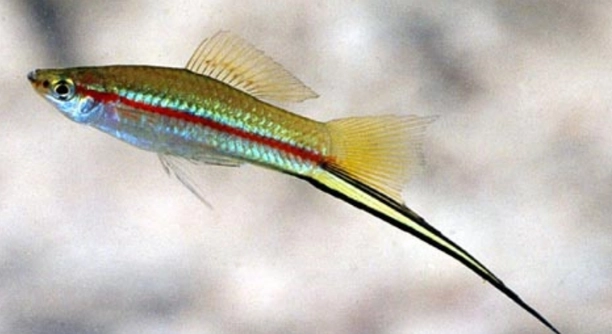
Swordtails are popular fish known for their bright colors and unique characteristics. These fascinating creatures are often kept as aquarium pets. However, there are several lesser-known facts about them that can enhance your understanding of their care and behavior.
Swordtails are highly adaptable, capable of thriving in various water conditions. Their natural behavior involves both peaceful interactions with other fish and distinctive mating rituals. These traits contribute to their appeal and make them a favored choice for aquarium enthusiasts.
From breeding habits to unique behaviors, these facts will give you a deeper understanding of what makes swordtails such captivating aquarium companions.
Swordtail Mating Behavior: What You Should Know
Swordtail fish have a unique mating display that can be both interesting and crucial to their reproduction. Males will often chase females, showing off their colorful fins and “sword” extensions in an attempt to attract a mate. The sword, which extends from the tail, plays an important role in the mating ritual, helping males stand out. Females, on the other hand, are typically less colorful but are known to be selective when it comes to choosing a mate. This behavior ensures that only the healthiest and most attractive males are able to breed.
Mating usually takes place after the male has courted the female, often through rapid swimming and showing off his fins. Swordtails reproduce through live-bearing, meaning the female carries fertilized eggs inside her body until they hatch, giving birth to fully developed fry.
Understanding these behaviors can help maintain a healthy and thriving environment for swordtails in your aquarium. Providing adequate space and suitable conditions for both males and females can encourage natural mating behaviors, ensuring their successful reproduction.
Swordtails’ Care Needs: A Quick Overview
Swordtails are generally easy to care for but require some attention to thrive.
Keeping swordtails in a well-maintained tank with stable water conditions is vital for their health. These fish can adapt to a variety of environments, but it’s best to provide a consistent water temperature between 72-79°F (22-26°C). Frequent water changes, adequate filtration, and regular monitoring will help keep swordtails happy and healthy.
Feeding swordtails is also straightforward. A balanced diet of high-quality flakes, pellets, and occasional live foods can ensure they get the nutrients they need to maintain vibrant colors and energy levels. Always avoid overfeeding, as leftover food can affect water quality.
A properly balanced tank with ample space, plants, and hiding spots for the fish will provide swordtails with an enriched and comfortable living environment. Their calm nature and active swimming patterns make them enjoyable to watch, adding charm to your aquarium.
Swordtail Lifespan and Growth
Swordtails typically live for 3 to 5 years in a well-maintained tank. Their lifespan can be influenced by water quality, diet, and environmental conditions. In poor conditions, swordtails may not live as long, and their growth can slow down.
These fish grow steadily, with males reaching about 2 inches in length and females growing slightly larger, up to 3 inches. To support healthy growth, maintain consistent water temperature and ensure proper nutrition. Proper care and stable living conditions are essential to allowing swordtails to grow to their full potential.
Regular water changes, monitoring water parameters, and providing a proper feeding schedule are key factors in ensuring swordtails reach their full lifespan and growth potential. A tank free from excessive stressors allows swordtails to thrive, keeping them vibrant and active throughout their life.
Swordtail Tank Setup
Swordtails are adaptable, but they still need a proper tank setup to flourish. A 20-gallon tank is the minimum size recommended for a small group of swordtails, but a larger tank will be beneficial for their health. The tank should have a lid to prevent escape, as swordtails are known to jump.
Adding live plants to the tank provides swordtails with natural hiding places, as they enjoy swimming in areas with plant cover. Avoid overcrowding, as this can lead to stress and aggression. The ideal substrate for swordtail tanks is soft sand or gravel, allowing them to explore comfortably.
Filtration is crucial to maintaining water quality. A good filter will help keep the water clean, removing toxins that could harm swordtails. Keep the tank in a location with stable lighting, as excessive light can cause stress. A comfortable tank setup will keep swordtails healthy and happy.
Swordtail Behavior: Social and Peaceful
Swordtails are generally peaceful fish, but they do require enough space to avoid territorial disputes. They tend to thrive in groups, particularly with other peaceful fish. In a crowded tank, males may exhibit more aggressive behaviors, especially during mating seasons.
These fish are often seen swimming in the middle to top layers of the water, interacting with their tank mates. While they are social creatures, they can be somewhat shy if introduced to an unfamiliar environment. Providing plenty of hiding spots and plants can help reduce stress and encourage natural behaviors.
Feeding Swordtails: What to Offer
Swordtails have an omnivorous diet, and they thrive on a mix of flake food, pellets, and occasional live foods. A varied diet will help maintain their vibrant colors and overall health. Feeding them twice a day is typically sufficient.
Avoid overfeeding, as uneaten food can quickly degrade water quality. Offering a balance of plant-based and protein-rich foods will ensure swordtails receive the proper nutrients they need to stay active and healthy. Regularly cleaning any leftover food will help maintain a stable tank environment for them.
Breeding Swordtails: What to Expect
Swordtail breeding is relatively easy, as they are livebearers. Once mating occurs, the female will carry the fertilized eggs inside her body until they hatch, typically after 4 to 6 weeks. During this time, the female may appear more swollen, indicating she is carrying fry.
When the fry are born, they are fully formed and can swim immediately. Providing separate space or hiding spots for newborns is essential, as adult swordtails may eat the fry. With proper care, swordtails can breed regularly in a well-maintained tank, creating new generations of fish.
FAQ
How many swordtails should I keep together?
Swordtails are social fish, and it’s best to keep them in groups of at least 3 to 5. A small group helps prevent aggression, particularly from males, who can be territorial. Keeping more females than males is recommended to reduce stress on the females, as males can often chase them during mating. A balanced group helps maintain a peaceful environment and encourages natural social behavior.
What temperature is best for swordtails?
Swordtails thrive in water temperatures between 72°F and 79°F (22°C – 26°C). Keeping the water within this range ensures they stay healthy and active. Extreme fluctuations in temperature can stress them out and make them more susceptible to diseases. A reliable heater and thermometer will help maintain a stable environment.
Do swordtails need a filter?
Yes, swordtails need a filter to keep their water clean and well-oxygenated. A filter helps remove toxins and waste, maintaining the water quality and preventing diseases. It’s essential to choose a filter that suits the size of your tank. Regular maintenance of the filter ensures it works efficiently and keeps the water clear.
Can swordtails live with other fish?
Swordtails are peaceful and can live with many other species of fish, particularly those that are non-aggressive. It’s important to avoid aggressive tank mates like larger cichlids, which may intimidate or harm swordtails. Good tank mates include tetras, guppies, and other peaceful livebearers. Ensuring that all tank members get along well helps create a harmonious aquarium environment.
How can I tell the difference between male and female swordtails?
Male and female swordtails are easy to distinguish once they reach maturity. Males are smaller, with a long, sword-like extension at the end of their tails. They also have more vivid colors compared to females. Females are larger and lack the sword-shaped tail. This difference helps with identification, especially during breeding.
What do swordtail fry eat?
Swordtail fry are born fully formed and can swim immediately. They will need small, high-quality food, such as powdered fry food, micro pellets, or infusoria for the first few days. As they grow, you can introduce larger foods like baby brine shrimp. Keep the water clean and ensure that any uneaten food is removed to maintain a healthy environment for the fry.
Do swordtails jump out of the tank?
Yes, swordtails can jump if the tank is not properly covered. They are known for being active swimmers and may leap if startled or if they feel threatened. To prevent this, ensure that your tank has a secure lid or cover. It will not only prevent them from jumping but also keep the tank temperature stable.
How do I prevent swordtails from fighting?
Swordtails are generally peaceful, but males can become territorial, especially during mating. To reduce the risk of fighting, provide plenty of hiding spots and space in the tank. Avoid overcrowding, and consider having more females than males, as this reduces male aggression. Monitoring the tank for signs of stress can help you address potential issues early.
Why is my swordtail’s color fading?
If your swordtail’s colors are fading, it could be due to poor water quality, stress, or an inadequate diet. Ensure that the water is clean and the temperature is within the ideal range. A poor diet can lead to faded colors, so provide a balanced mix of high-quality flakes, pellets, and occasional live foods. Stress, like overcrowding or aggressive tank mates, can also cause color loss. Make adjustments to the tank environment if needed.
Can swordtails live in a freshwater tank?
Yes, swordtails are freshwater fish and do well in non-salty environments. They can tolerate a wide range of freshwater conditions, as long as the water is clean, properly filtered, and kept at the right temperature. They do not require brackish water, and a regular freshwater aquarium setup will suit them perfectly.
How often should I clean my swordtail tank?
Cleaning the swordtail tank regularly is essential for their health. Perform partial water changes of about 25-30% every 1-2 weeks, depending on the tank’s size and stocking level. Remove any uneaten food and debris from the substrate to maintain water quality. Clean the filter monthly and check the water parameters to ensure they stay within safe levels.
Final Thoughts
Swordtails are relatively easy to care for and make great additions to a community tank. They are social and peaceful fish, thriving in groups with other non-aggressive species. Their colorful appearance and active swimming habits make them a joy to watch. With proper care, swordtails can live for several years, bringing life to any aquarium. Understanding their needs, including appropriate tank size, water temperature, and diet, is essential to keeping them healthy and happy.
Maintaining swordtail health starts with creating the right environment. A clean tank with stable water conditions is crucial, and investing in a good filtration system ensures a healthy habitat. Regular water changes, along with providing adequate hiding spaces, will reduce stress. A varied diet, including both plant-based and protein-rich foods, is important for their growth and vibrant colors. Observing your swordtails regularly will help you spot any potential health issues early, ensuring prompt action when necessary.
Breeding swordtails is an enjoyable and rewarding experience, though it requires attention to detail. Once the fish are well-established in a stable tank, breeding is often straightforward. The fry are born fully formed, and it’s important to protect them from being eaten by the adults. While the care required for swordtails isn’t overwhelming, providing them with a balanced environment and diet is essential for their long-term well-being.

Hello,
If you enjoy the content that we create, please consider saying a "Thank You!" by leaving a tip.
Every little bit helps us continue crafting quality advice that supports the health, happiness, and well-being of pets around the world, for pets of all shapes, sizes, and species.
We really appreciate the kindness and support that you show us!