
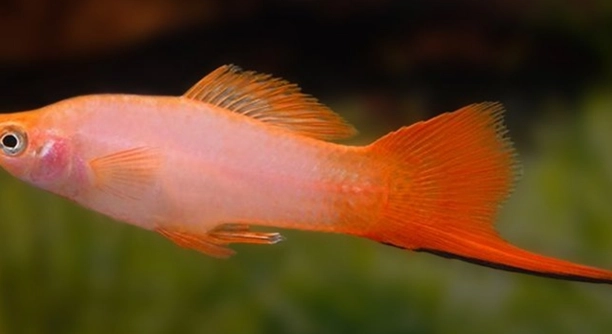
Do you ever find yourself adjusting the flow of your aquarium filter, hoping to create the best environment for your swordtails? Understanding their comfort with water movement can help maintain a healthy and active tank.
Swordtails generally enjoy a moderate current in the tank. It mimics their natural environment and supports their active swimming behavior. However, excessive water flow can lead to stress and exhaustion, especially in smaller or more confined aquarium setups.
Maintaining a balanced flow helps promote both comfort and health for your swordtails while supporting a more natural, enriching tank environment.
Swordtails and Their Natural Preference for Current
In the wild, swordtails are found in streams and rivers with gentle to moderate water flow. This natural environment shapes their comfort in home aquariums. When kept in tanks, they tend to thrive in similar conditions. A moderate current keeps them active and engaged without overwhelming their swimming ability. Filters that produce gentle but steady flow help replicate this balance. Fast-moving water may stress them out, especially if there are no calm zones to rest in. On the other hand, stagnant water can affect oxygen levels and lead to health problems. Watching their behavior can help—if they’re constantly swimming against strong flow or hiding, it may be too much. A moderate current supports better circulation, cleaner water, and more oxygen, all of which benefit your swordtails. It’s also important to place decorations and plants thoughtfully, creating areas where they can rest when needed without being pushed around too much.
Avoiding extremes is key.
Swordtails tend to avoid strong, unbroken currents. If the water pushes them too hard, they often retreat to stiller areas.
Incorporating adjustable flow filters can give you control over how much current flows through your tank. This way, you can make small changes and observe how your fish respond. Tank layout matters as well. Placing rocks, plants, or driftwood near the outflow can reduce water speed in specific areas. This setup offers resting spots while still maintaining water movement. Some swordtails may even enjoy swimming against mild current, using it as exercise. Keep an eye on young or weaker fish, as they may tire out quicker. Watching their energy levels and behavior is a simple way to gauge their comfort. You don’t need fancy equipment—just consistency, attention, and small adjustments to help your fish feel secure and active. With the right setup, your swordtails can enjoy movement without being stressed or overworked.
Signs Your Swordtail Is Stressed by Current
If your swordtail hides often, avoids swimming, or drifts aimlessly, the current may be too strong for comfort.
A stressed swordtail often displays less color, reduced appetite, and unusual swimming patterns. They may press themselves against tank walls or constantly stay in corners, away from the filter’s flow. If these signs appear, it’s worth evaluating your tank’s current strength. Slow the flow and observe whether their activity improves. You can also introduce more decorations or plants to create buffer zones. These adjustments don’t just improve comfort—they also support long-term health. Prolonged exposure to a strong current can cause fatigue, stress, and susceptibility to illness. Swordtails are typically hardy, but they still need a space that matches their natural preferences. Regular water checks and consistent cleaning support a healthier tank overall. Watching your fish for subtle changes helps you stay ahead of potential problems. Small tweaks to water flow and tank design can make a noticeable difference in their well-being.
Adjusting Flow in a Shared Tank
When swordtails share a tank with other fish, the flow needs to work for everyone. Some species prefer calmer waters, while others enjoy more movement, so striking a balance becomes important to avoid stress or competition.
Use adjustable filters to regulate the flow across different areas of the tank. Place plants, rocks, and driftwood to create natural flow breaks, especially for species that prefer stillness. Position the filter outlet in a way that it doesn’t create a direct, overpowering stream. Monitor fish behavior after making changes. If swordtails remain active and others stay visible and relaxed, the setup is likely working. Avoid placing the filter too close to tankmates who dislike current, like bettas or guppies. Separating the tank into zones with varying flow conditions allows different species to find their preferred spots without constant tension. The goal is to create a steady, calm environment where every fish has space to thrive.
Not all fish tolerate changes to current the same way. Some are sensitive and may react strongly, while swordtails tend to be more adaptable. However, changes should still be gradual. Avoid turning up the flow suddenly. Increase or reduce water movement in small steps and give fish time to adjust. After each change, observe swimming patterns and overall activity. If certain areas become too busy, consider adding more decorations to soften the movement. Keeping a peaceful balance helps reduce aggression, promote good oxygen flow, and keep all species healthier. Lighting and temperature also play a part, so try not to change everything at once. Each element works together to create a stable and comfortable space. If one species is showing signs of stress, revisit the tank’s layout and adjust accordingly. Patience and small adjustments go a long way in shared tanks.
Choosing the Right Equipment
Start with a filter that has adjustable flow settings. This gives you more control, especially if your fish have mixed needs or the tank layout changes over time. Simplicity often works best.
Look for sponge filters, internal filters with adjustable nozzles, or hang-on-back filters with control knobs. These allow easy tuning and gentle water movement. Canister filters can also work well in larger tanks, especially if you adjust the output to avoid strong currents. Placement matters—positioning the outflow toward a tank wall or using spray bars helps spread out the current. When selecting equipment, consider the tank size and the number of fish. Over-filtration creates unnecessary stress. It’s also helpful to avoid overly powerful air pumps unless paired with diffusers that soften the bubbles. Equipment should work quietly and consistently without startling your fish. Reliable equipment helps you maintain a stable environment while giving you the flexibility to adjust flow based on your swordtails’ behavior.
Watching Behavior for Clues
Swordtails that swim confidently and explore the tank likely feel comfortable with the current. If they stay active and feed normally, the flow is probably well-balanced and not causing any stress or discomfort in the tank.
If they hover in one spot, struggle to swim forward, or constantly seek shelter, the current might be too strong. Keep an eye on younger or smaller swordtails, as they tire faster and may show signs of stress sooner than adults.
Creating Calm Zones in the Tank
To make calm zones, arrange plants and hardscape to block or redirect flow. Use taller decorations near the filter’s outflow to break the current. Broad-leaf plants like anubias or large rocks can help reduce direct pressure. Place these near tank corners or open areas where fish tend to rest. Adding floating plants can also soften the flow at the surface and give fish a break from constant movement. By watching where your swordtails spend their time, you can adjust the layout to improve comfort. These zones help reduce fatigue and make the tank more inviting for all fish, especially during feeding or rest.
Final Tip on Tank Maintenance
Regular filter cleaning helps maintain steady flow. A clogged filter can weaken current or create uneven pressure that disrupts tank balance. Keep the flow consistent by checking and cleaning the filter on a schedule.
FAQ
How much current do swordtails prefer in their tank?
Swordtails prefer a moderate current that mimics the gentle flow of streams or rivers. They are active swimmers and can handle more movement than many other livebearers. However, the flow should not be so strong that it forces them to constantly fight against it. A current that gently moves plants and allows the fish to swim comfortably without constant effort is ideal. If they’re always hiding or struggling to stay in place, the current is likely too strong. Look for a filter that allows you to adjust the flow to suit your tank and layout.
Can too much current harm swordtails?
Yes, a strong or constant current can wear out swordtails over time. They may show signs of stress like hiding, swimming erratically, or resting more than usual. Smaller or younger swordtails are especially vulnerable because they tire out faster. Long-term exposure to high flow can also affect feeding and overall energy levels. If you see these signs, reduce the flow and create more calm zones. Watch how they respond to changes. A well-adjusted current keeps them active without wearing them down.
Do swordtails need current to stay healthy?
They don’t need strong current to stay healthy, but a bit of movement is good for oxygenation and exercise. A completely still tank can lead to poor water circulation and buildup of waste in certain areas. Gentle water flow supports good filtration and helps distribute heat and nutrients. Swordtails use the current to move around more naturally, which can keep them fit. Just avoid overdoing it, especially in smaller tanks where the flow is more concentrated. Balanced movement is key to supporting their health.
What kind of filter is best for controlling current?
Filters with adjustable flow settings are best. Hang-on-back filters, internal filters with control knobs, and sponge filters are all good options for smaller tanks. In larger tanks, canister filters can be used if the outflow is directed carefully. Spray bars and flow diverters help reduce pressure and spread the current across the tank. Some aquarists use pre-filter sponges to soften outflow further. Choose a filter that fits your tank size and gives you flexibility in adjusting the current as needed.
How can I tell if my swordtails are stressed by the flow?
Look for changes in behavior. If swordtails are staying in corners, hiding behind decorations, or constantly swimming against the current without moving forward, they may be stressed. Reduced appetite or avoiding the top of the tank are also signs. A comfortable swordtail will swim freely, explore the tank, and feed actively. If they seem off, try adjusting the filter flow and observe how they react. Stress caused by current is usually easy to fix once the flow is balanced.
Do plants help reduce current in the tank?
Yes, live or artificial plants help break up and redirect flow. Broad-leaf plants, floating plants, and dense background growth can create low-flow areas. These calmer zones give fish a place to rest and reduce the strain of constant swimming. They also make the tank feel more natural and secure. Strategic placement around the filter outflow or open swimming areas helps manage the current without removing water movement entirely. It’s an easy way to improve comfort for swordtails and other tankmates.
Can I use air stones or bubblers with swordtails?
Air stones and bubblers can be used, but they increase surface agitation and add movement to the water. Swordtails are usually fine with mild bubbling, especially if it helps with oxygen exchange. However, in small tanks or setups with strong filters, air stones may create too much movement. If the fish seem uneasy, reduce the airflow or reposition the stone. You don’t need a bubbler if the filter already provides enough surface agitation and circulation. Choose based on the needs of your tank setup.
Will swordtails get along with fish that prefer calmer water?
Swordtails are generally peaceful but active, so they may unintentionally disturb calmer fish. When sharing a tank, make sure to adjust the current to suit both species. Use decorations to separate areas of high and low flow. This lets swordtails swim freely while giving calm-water fish a break from movement. Compatibility also depends on tank size—larger tanks allow more room for different flow zones and reduce conflict. Keep an eye on interactions and adjust if one group seems uncomfortable. A balanced setup keeps everyone more relaxed.
Final Thoughts
Swordtails are active fish that naturally enjoy swimming through gentle currents, but the flow in their tank should never be too strong. A moderate current helps them stay active, supports oxygen levels, and creates a more natural environment. However, it’s important to avoid overdoing it. If the flow is too strong, swordtails may become stressed or worn out from swimming against it all day. Watching how they move in the tank is a good way to tell whether the current needs adjusting. Healthy swordtails will swim with ease, explore the tank, and rest comfortably in calmer spots.
The right filter can make a big difference. Choosing a filter with adjustable flow lets you control the water movement more precisely. Adding plants or decorations also helps break up the current, giving swordtails a place to rest when they want. It’s helpful to create a mix of active swimming space and still zones. This setup works well not only for swordtails but also for other tankmates who may prefer less movement. It’s also easier to manage stress levels and keep the tank feeling safe and balanced. A well-designed tank supports both the physical health and comfort of the fish.
Keeping the current at the right level doesn’t have to be complicated. You don’t need fancy equipment to make small changes that have a big impact. A slight adjustment to the filter’s outflow or moving some plants around can help more than you’d expect. Swordtails are hardy and adaptable, but they do best when their needs are met with consistency. Giving them the right flow conditions is part of building a tank where they can stay active, eat well, and show natural behaviors. Paying attention to how they respond will help you keep them happy in their environment.

Hello,
If you enjoy the content that we create, please consider saying a "Thank You!" by leaving a tip.
Every little bit helps us continue crafting quality advice that supports the health, happiness, and well-being of pets around the world, for pets of all shapes, sizes, and species.
We really appreciate the kindness and support that you show us!