
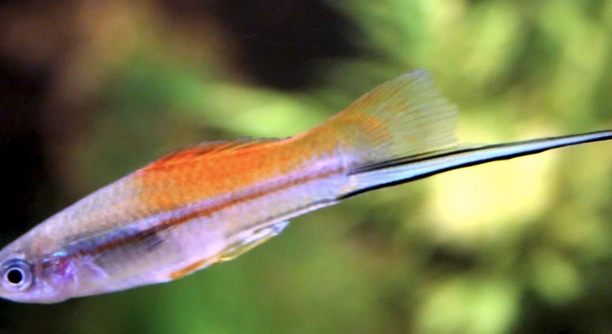
Swordtails are popular aquarium fish, loved for their vibrant colors and playful personalities. However, there are many myths about them that can mislead fish keepers. It’s time to clear up some of these misconceptions.
Many myths about swordtails stem from misconceptions about their care and behavior. For example, some believe swordtails are hard to keep, but they are actually quite resilient and easy to maintain with the right care.
Understanding the truth behind these myths will help you care for swordtails more effectively and ensure they thrive in your tank. Keep reading to uncover the facts and set the record straight!
Swordtails Are Difficult to Care For
One common myth about swordtails is that they are difficult to care for. Many new fish keepers assume that these bright, energetic fish need special attention or a very specific environment. However, swordtails are hardy and can adapt to a wide range of water conditions. They are often recommended for beginners because they are resilient and can thrive in both freshwater tanks and community setups. As long as you provide them with proper care, including regular water changes, stable temperatures, and a balanced diet, they will do well in your aquarium. In fact, their adaptability is one of the reasons they are so popular among fish keepers.
While swordtails are relatively easy to maintain, like all fish, they still require basic care to stay healthy. Make sure your tank has a good filtration system and is not overcrowded. A clean environment will help your swordtails live longer and healthier lives.
Being low-maintenance doesn’t mean swordtails don’t need care. Regular water testing, tank cleaning, and monitoring their behavior are key to keeping them happy. If you make these small adjustments, you can enjoy these beautiful fish for years.
Swordtails Can’t Live With Other Fish
Another myth is that swordtails can’t live with other fish due to their territorial behavior. While it’s true that swordtails are active swimmers and may have a bit of a competitive nature, they are typically peaceful. Swordtails are social creatures and thrive in groups, so they generally do well in community tanks. As long as the tank has enough space and hiding places, swordtails will get along with most non-aggressive fish. They especially enjoy the company of their own species.
However, it’s important to avoid housing them with overly aggressive species. Swordtails may become stressed if housed with overly dominant or territorial fish. Choosing the right tank mates is essential to maintaining harmony in your aquarium.
A great setup for swordtails includes peaceful fish like guppies, tetras, and corydoras. These species get along well with swordtails and won’t challenge them for space. Creating a balanced environment with compatible fish will ensure all your tank’s inhabitants thrive. Keep an eye on the social dynamics and make sure your swordtails aren’t feeling overwhelmed by their companions.
Swordtails Are Always Aggressive
Some people believe swordtails are naturally aggressive, but that’s not true. In fact, swordtails are usually calm and friendly. They may show some aggression during breeding or if they feel crowded, but this is not their typical behavior. Swordtails are peaceful fish that usually get along well with others in a proper setup.
If swordtails become aggressive, it’s often due to factors like overcrowding, poor water quality, or stress from tank mates. With the right conditions, swordtails are peaceful and social. Keeping their environment clean and providing enough space will help avoid conflicts.
One of the main reasons swordtails might show aggression is if they feel their space is limited or their territory is being threatened. It’s important to maintain a properly sized tank, with plenty of hiding spots and swimming space. Avoid keeping too many males together, as this can also lead to territorial behavior. By meeting their needs, you can minimize aggression.
Swordtails Need a Very Specific Diet
There’s a myth that swordtails require a special or complicated diet. While they may have specific nutritional needs, it’s not hard to feed them properly. Swordtails are omnivores, meaning they eat a variety of foods, including flake food, pellets, frozen foods, and live food.
Offering a balanced diet with high-quality flakes or pellets will provide them with the nutrients they need. They also enjoy the occasional treat, like bloodworms or daphnia, which adds variety to their diet. Just make sure the food is appropriate for their size and digestive needs. Overfeeding can lead to health problems, so stick to small portions.
Swordtails need a diet that includes both plant-based and protein-rich foods to stay healthy. You can supplement their diet with vegetables like spinach or zucchini. If you provide a variety of foods, swordtails will stay strong and colorful. Keep their meals consistent and monitor feeding habits to avoid overfeeding.
Swordtails Are Difficult to Breed
Many people think swordtails are hard to breed, but they are actually quite easy to reproduce. Swordtails are livebearers, meaning they give birth to live fry instead of laying eggs. As long as you maintain a healthy tank environment, breeding them can be relatively simple.
For successful breeding, keep a ratio of one male to two or three females. This reduces stress on the females and helps ensure a higher chance of successful reproduction. Swordtails breed frequently, so you might notice them giving birth every few weeks. Ensure the tank has hiding spots for the fry, as adult swordtails may eat their young.
It’s also important to provide the right water conditions, including a stable temperature between 72-82°F and clean, slightly alkaline water. These factors promote successful breeding. Additionally, ensure the tank has plenty of plants or decorations where the fry can hide until they’re large enough to survive in the main tank. With the right care, breeding swordtails can be a rewarding experience.
Swordtails Can’t Live in Small Tanks
Some people believe swordtails require large tanks, but they can actually thrive in smaller tanks, as long as they have enough space. A 20-gallon tank is typically sufficient for a small group of swordtails. However, they should never be overcrowded.
Swordtails need space to swim and explore, so it’s important to maintain a tank with proper filtration and regular cleaning. Small tanks can work well as long as there’s room for hiding spots, plants, and clean water. When kept in small tanks with good conditions, swordtails can live happily and healthy.
Swordtails Are Always the Same Color
Another myth is that swordtails only come in one color. While the most common color is red or orange, swordtails actually come in a wide range of colors. These include yellow, green, black, and even metallic varieties.
Breeding can bring out different color variations, especially if you mix different strains of swordtails. Some swordtails are even a mix of colors, with beautiful patterns and gradients. By selecting certain males and females, you can influence the color and appearance of the fry. Their variety is one of the reasons swordtails are so popular among aquarium enthusiasts.
FAQ
How big do swordtails get?
Swordtails typically grow to about 4-6 inches in length. Males are usually slightly smaller than females, with females reaching the larger end of that range. It’s important to give them enough space in the tank to accommodate their size and active swimming habits. A tank with plenty of swimming room will allow them to grow to their full size comfortably.
What should I feed swordtails?
Swordtails are omnivores, meaning they need a mix of plant-based and protein-rich foods. High-quality flake food or pellets designed for omnivores can be the base of their diet. You can supplement this with frozen or live foods like bloodworms, daphnia, or brine shrimp. Adding vegetables like spinach, zucchini, and peas can also help meet their nutritional needs. Feeding them a variety of foods will keep them healthy and colorful.
How often should I feed my swordtails?
Swordtails should be fed 1-2 times a day. It’s important to avoid overfeeding, as this can lead to water quality problems. Give them only as much food as they can eat in a few minutes, and remove any uneaten food to prevent it from polluting the tank. Regular feeding schedules help maintain a healthy tank environment and prevent obesity in your swordtails.
Can swordtails live with other fish?
Yes, swordtails are peaceful and can live with many other species, especially other non-aggressive fish. They do best in community tanks with species like tetras, guppies, and corydoras. However, they can become territorial if the tank is overcrowded or if there are aggressive fish present. It’s best to avoid keeping them with highly aggressive species, as this may cause stress.
Do swordtails need a heater?
Yes, swordtails thrive in warm water. The ideal temperature for swordtails is between 72-82°F. In cooler climates or during colder months, a reliable aquarium heater will help maintain the temperature range needed for your swordtails to stay healthy. Make sure to monitor the water temperature regularly to ensure it remains stable.
Are swordtails good for beginners?
Swordtails are often recommended for beginners due to their hardiness and ease of care. They adapt well to a range of water conditions and are generally low-maintenance. However, like all fish, they still require proper care and attention. A clean tank, proper filtration, and a balanced diet will help ensure their long-term health and happiness.
How do I breed swordtails?
Breeding swordtails is relatively easy, as they are livebearers. To encourage breeding, maintain a good ratio of one male to two or three females. This reduces stress on the females and increases the likelihood of successful breeding. Keep the water conditions stable and make sure the tank has enough hiding spots for the fry. Swordtails breed frequently, so if you want to manage the population, you may need to remove the fry once they’re born to avoid overcrowding.
Why are my swordtails swimming at the surface?
Swordtails may swim near the surface if the oxygen levels in the tank are low or if the water temperature is too high. Check the filtration system to ensure it’s working correctly and providing adequate water movement. Also, make sure the water temperature is within the recommended range of 72-82°F. If these factors are in balance, swordtails will swim throughout the tank rather than staying at the surface.
How do I tell the difference between male and female swordtails?
Male and female swordtails are easy to distinguish. Males are typically smaller and more colorful, with a long, sword-like extension on their tail fin, which gives them their name. Females are larger and have a rounder belly, especially when they’re pregnant. Females don’t have the tail extension that males do, making it easy to tell them apart.
Do swordtails need a filter?
Yes, swordtails do best in tanks with a good filtration system. Filtration helps maintain clean water, which is essential for the health of your fish. Swordtails produce waste, and without proper filtration, the water can quickly become polluted, leading to stress and disease. Regular water changes are also necessary to keep the tank environment healthy.
Can swordtails live in cold water?
Swordtails are tropical fish and prefer warm water. Cold water can cause stress and health problems, so it’s important to maintain the temperature between 72-82°F. In colder environments, you should use an aquarium heater to ensure the water stays within this ideal range. Swordtails cannot survive in water temperatures lower than 60°F for extended periods.
How long do swordtails live?
Swordtails typically live for 3-5 years, though some can live longer with proper care. Providing a stable environment with good water quality, a balanced diet, and regular tank maintenance can help your swordtails reach their full lifespan. Keep an eye on their health and behavior to catch any potential issues early.
Why is my swordtail turning black?
If a swordtail is turning black, it could be a sign of stress, illness, or poor water quality. Black spots or discoloration can also be a symptom of a skin infection or disease, so it’s important to monitor their health closely. Check your water parameters and ensure the tank is clean. If the condition persists, consider isolating the affected fish and seeking advice from a veterinarian or aquarium expert.
Final Thoughts
Swordtails are a great addition to any aquarium. They are hardy, easy to care for, and come in a variety of colors that make them visually appealing. While there are some myths about their care, like the belief that they are hard to maintain or overly aggressive, these are far from the truth. When provided with the right environment, swordtails can live happily and healthily in your tank for years. They adapt well to different water conditions, so even beginner fish keepers can enjoy having them in their aquariums.
It’s important to keep in mind that swordtails, like all fish, require proper care and attention. They need a clean tank, stable water temperature, and a balanced diet. Regular water changes and proper filtration are essential for keeping them healthy. Swordtails also need enough space to swim freely, so make sure their tank isn’t overcrowded. Overfeeding or poor water conditions can lead to health problems, so it’s always best to monitor their environment closely. By meeting these basic needs, swordtails can thrive and become an enjoyable part of your aquarium setup.
Finally, swordtails are social fish that do best in groups and with compatible tank mates. They are peaceful and can live alongside many other species, making them ideal for community tanks. While they are easy to breed, you might need to manage the population to avoid overcrowding. Overall, swordtails are an excellent choice for fish keepers looking for vibrant, easy-to-care-for fish. By keeping their environment stable and offering proper care, you’ll be able to enjoy these lively fish for years to come.

Hello,
If you enjoy the content that we create, please consider saying a "Thank You!" by leaving a tip.
Every little bit helps us continue crafting quality advice that supports the health, happiness, and well-being of pets around the world, for pets of all shapes, sizes, and species.
We really appreciate the kindness and support that you show us!