
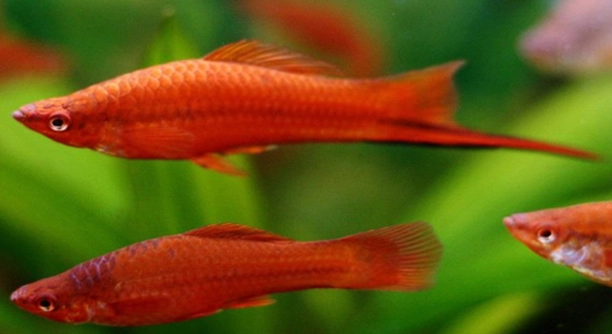
Swordtails are popular aquarium fish, loved for their vibrant colors and lively personalities. However, many fishkeepers have noticed their swordtails spending a lot of time at the bottom of the tank. This behavior raises concerns for some owners.
There are several reasons why your swordtail may remain at the bottom of the tank. This could be due to stress, water quality issues, or even health problems. It’s essential to identify the root cause to ensure your swordtail’s well-being.
Understanding these factors will help you make the right adjustments for your swordtail. Keep reading to learn more about what might be causing this behavior and how to address it effectively.
Common Reasons for Swordtails Staying at the Bottom
Swordtails are active swimmers, so if they’re hanging out at the bottom of the tank more often than usual, something may be off. One common reason for this behavior is poor water quality. When the water is unclean or has improper levels of ammonia, nitrites, or nitrates, fish often retreat to the bottom to avoid stress. Check your tank’s filtration system and water parameters regularly to avoid these issues. Another possibility is the temperature. Swordtails prefer warmer water, typically between 72°F and 79°F (22°C to 26°C). If the water is too cold, they may swim less and stay near the bottom.
It’s also essential to consider tankmates. If you have aggressive fish, your swordtail could be hiding to avoid confrontation. Similarly, an overcrowded tank can lead to stress, making swordtails more likely to remain near the bottom. Inadequate hiding spots and space can also encourage them to stay in a corner or near the substrate.
Stress and Illness
Stress is another common reason your swordtail may be stuck at the bottom. Fish are sensitive to their environment. Changes like sudden shifts in water temperature, poor water quality, or changes in tankmates can cause stress. Stress lowers a fish’s immune system, making them more vulnerable to diseases.
If your swordtail is constantly at the bottom and looks lethargic, it might be sick. Fish can develop various health problems like swim bladder disease or parasites, both of which may cause them to swim erratically or stay near the bottom of the tank. In such cases, it’s important to isolate the sick fish and monitor their behavior carefully. Regularly inspect your swordtail for signs of illness, such as clamped fins, bloating, or unusual marks on its body. Early detection and treatment can prevent the issue from worsening.
Water Quality and Tank Maintenance
Proper water quality is vital for any aquarium, and poor water conditions are one of the most common reasons swordtails spend too much time at the bottom. Testing your tank’s water for ammonia, nitrite, nitrate, and pH levels is the first step in solving the issue. Regular water changes, along with a reliable filtration system, can help maintain a healthy environment. Make sure to clean the filter and change the water regularly to avoid harmful buildups.
Monitoring temperature is also crucial. A water heater can help maintain the ideal range for swordtails. When the temperature fluctuates too much, it stresses the fish and can cause them to stay at the bottom. Keeping your tank’s environment stable and clean will improve your swordtail’s behavior.
Illness and Injury
If your swordtail seems to be staying at the bottom of the tank, it may be dealing with an illness or injury. Fish often isolate themselves when they don’t feel well. Symptoms to look out for include bloating, redness, or unusual marks on the body.
A common issue in swordtails is swim bladder disease, which can cause them to lose buoyancy and swim abnormally or sink to the bottom. If your swordtail appears swollen or has trouble swimming, it may be struggling with this condition. Other illnesses, like parasites, could also cause behavior changes. If the fish shows visible signs of injury or illness, consider isolating it for treatment.
Ensure the fish has a clean, quiet space to rest and recover. In some cases, administering a medication or adjusting the tank conditions can help your swordtail feel better. Immediate attention can make a significant difference in your fish’s recovery time and overall health.
Water Temperature
Temperature fluctuations can cause stress for swordtails. If the water is too cold or too hot, they’ll feel uncomfortable and may retreat to the bottom to hide. Swordtails prefer a stable water temperature between 72°F and 79°F (22°C to 26°C). Too much fluctuation can stress them out.
Investing in a reliable heater can help maintain the temperature at a consistent level, especially if you live in a cooler environment. If your tank’s temperature is too low, your swordtail may not swim as much and will stay near the bottom for warmth. On the other hand, extremely high temperatures can cause oxygen depletion, leading your fish to avoid swimming and retreat to cooler areas of the tank. Keeping the temperature stable is crucial for their well-being.
A thermometer will allow you to monitor the tank regularly and make adjustments to keep the temperature in the ideal range. This helps swordtails thrive and keeps them active.
Tank Size and Space
Swordtails need enough space to swim freely. If the tank is too small or overcrowded, they may feel stressed and remain at the bottom. They prefer a tank that offers plenty of swimming space and hiding spots. A cramped tank can lead to unhealthy behavior.
To prevent this, make sure your tank is large enough for the number of fish you have. A tank of at least 20 gallons is ideal for a small group of swordtails. Overcrowding can lead to competition for food and territory, which can stress them out. This often causes them to retreat to the bottom for safety.
Aggressive Tankmates
Aggressive tankmates can intimidate swordtails, leading them to stay at the bottom. Fish like bettas or some cichlids may chase or harass swordtails, forcing them to seek refuge in quieter areas. Aggressive behavior can increase stress and decrease activity levels in your fish.
If you suspect aggression is the problem, it’s best to separate the aggressive fish from the swordtail. Providing hiding places, such as plants or rocks, can also give swordtails a safe spot to escape. Regularly observe the interactions between your fish to ensure peaceful coexistence.
Diet and Feeding
Swordtails may stay at the bottom if they are not getting enough food. Inadequate or irregular feeding schedules can cause fish to search for food near the substrate. Ensure you’re feeding your swordtail a balanced diet with proper nutrients.
If your swordtail is not eating properly, it can lead to health problems that might cause them to stay at the bottom. A healthy diet with a mix of pellets, flakes, and occasional live food can help. Always feed in moderate amounts and avoid overfeeding to keep the water quality in check.
FAQ
Why is my swordtail always hiding at the bottom?
There are a few possible reasons your swordtail is hiding at the bottom of the tank. One of the main causes could be poor water quality. Swordtails are sensitive to changes in their environment, and if the water is polluted or the parameters are off, they may seek refuge at the bottom to avoid stress. Another possibility is that your swordtail is feeling threatened by other aggressive tankmates. If your fish is constantly being chased or harassed, it may retreat to the bottom for safety. Illness or injury can also cause a swordtail to spend more time near the bottom, as it may not feel well enough to swim actively.
How can I fix the water quality in my tank?
To improve water quality, you should start by testing the water for key parameters like ammonia, nitrite, nitrate, and pH levels. Use a reliable aquarium test kit for accuracy. If any of these levels are off, perform a partial water change to restore balance. Make sure your filtration system is working properly and that it’s suitable for the size of your tank. Regular maintenance, including cleaning the filter, changing the water, and removing debris, is essential. Adding live plants can also help maintain water quality by absorbing excess nutrients. Ensure your tank is not overcrowded, as this can worsen water quality.
What temperature is best for swordtails?
Swordtails thrive in warm water temperatures between 72°F and 79°F (22°C to 26°C). Keeping the water within this range helps maintain their health and activity levels. Fluctuating temperatures or water that’s too cold or hot can stress them out and lead to unhealthy behavior, such as staying at the bottom of the tank. Invest in a reliable aquarium heater to keep the temperature stable. Also, use a thermometer to monitor the water temperature regularly. If you live in an area with fluctuating temperatures, consider using a tank cover or a heater guard to prevent temperature extremes.
Can swordtails live with other fish?
Yes, swordtails are generally peaceful and can live with other fish, but it’s important to choose compatible tankmates. They do well with other peaceful species, such as guppies, mollies, and tetras. Avoid placing them with aggressive fish like bettas or large cichlids that may bully them. When choosing tankmates, ensure that there is enough space in the tank for everyone to swim comfortably. Also, ensure that the water parameters are suitable for all species in the tank, as some fish have more specific needs than others. Always observe the behavior of your swordtail and other fish to make sure there are no signs of aggression.
Is my swordtail sick? How can I tell?
If your swordtail is spending too much time at the bottom of the tank and showing other signs of unusual behavior, it may be sick. Some common symptoms of illness include clamped fins, unusual swimming patterns, swollen or bloated body, discolored spots or lesions, and refusal to eat. If you notice these symptoms, it’s a good idea to isolate the affected fish to prevent it from spreading any potential diseases. Consult an aquarium specialist or veterinarian for the proper treatment based on the symptoms. In many cases, improving water quality and adjusting the temperature can help with mild health issues. However, if the illness persists, a specific medication may be necessary.
How much should I feed my swordtail?
Swordtails are not picky eaters, but it’s important to feed them in moderation. Overfeeding can lead to poor water quality and obesity, while underfeeding can cause malnutrition. Feed your swordtail once or twice a day with a balanced diet that includes high-quality flakes or pellets designed for tropical fish. You can supplement their diet with occasional live or frozen foods, like brine shrimp or bloodworms, for variety. Make sure the food is consumed within a few minutes to avoid leftovers, which can pollute the water. A general rule is to provide enough food that they can eat in about 2-3 minutes.
Can swordtails survive in a small tank?
Swordtails can survive in small tanks, but they thrive better in larger aquariums. A tank size of at least 20 gallons is recommended for a small group of swordtails. Smaller tanks can easily become overcrowded, leading to poor water quality and stress. Swordtails need plenty of space to swim and explore, so a larger tank gives them more room to move around and reduces territorial behavior. If you keep your swordtails in a small tank, make sure to monitor water quality closely and perform frequent water changes. Providing hiding places and plants can also help reduce stress in a small tank.
Why is my swordtail swimming sideways or upside down?
If your swordtail is swimming sideways or upside down, it may be suffering from swim bladder disease. This condition affects the fish’s buoyancy and causes abnormal swimming behavior. Swim bladder disease can be caused by overfeeding, constipation, or a bacterial infection. If the issue is related to overfeeding, try fasting your swordtail for a couple of days and offering smaller portions of food. If the problem persists, isolate the fish and monitor its behavior. In severe cases, swim bladder disease may require medication, so it’s best to consult with an aquarium expert or veterinarian.
How can I help my swordtail feel more comfortable in the tank?
To help your swordtail feel more comfortable, start by maintaining a clean and stable environment. Regular water changes, proper filtration, and maintaining the right water temperature are key. Additionally, providing hiding spots with plants or decorations can help your swordtail feel secure. Swordtails appreciate having areas to explore, so adding some aquatic plants or rocks can create a more natural and stress-free environment. Keep the tank lighting moderate, as bright lights can stress out some fish. Also, ensure the tank is not overcrowded, as too many fish can increase stress levels.
What kind of plants should I keep with swordtails?
Swordtails benefit from having live plants in their tank, as these plants help maintain water quality and provide hiding places. Some good plant options for swordtails include Anubias, Java fern, and Amazon sword. These plants are hardy and thrive in the same water conditions as swordtails. Adding plants to your tank also helps mimic their natural environment, reducing stress and encouraging more active swimming. Avoid fast-growing plants that require a lot of maintenance, as they can contribute to excessive organic matter in the water. A mix of floating and rooted plants provides variety and comfort for your swordtail.
Final Thoughts
Understanding why your swordtail is staying at the bottom of the tank is essential for ensuring its well-being. This behavior can be caused by a variety of factors, from poor water quality to health issues, temperature fluctuations, or stress from aggressive tankmates. Identifying the root cause is the first step toward resolving the problem and making your swordtail feel more comfortable in its environment. Regularly checking the water quality, maintaining a proper tank temperature, and keeping an eye on any signs of illness are all important for the health of your fish.
Once you determine the cause, there are simple solutions you can implement. If water quality is the issue, make sure to perform regular water changes, check the filtration system, and test the water parameters often. If temperature is the problem, invest in a reliable heater to keep the water in the ideal range for your swordtail. When it comes to tankmates, always choose peaceful species that won’t stress out your swordtail. Also, make sure your tank is not overcrowded, as this can contribute to stress and cause your fish to retreat to the bottom.
Taking these steps will not only help your swordtail feel more at ease, but it will also ensure a healthier, more vibrant tank overall. A balanced, stress-free environment is key to keeping your fish active and happy. Regularly observing your swordtail’s behavior and making the necessary adjustments will help you maintain a thriving aquarium. With the right care, your swordtail should return to its usual energetic self, swimming happily throughout the tank.

Hello,
If you enjoy the content that we create, please consider saying a "Thank You!" by leaving a tip.
Every little bit helps us continue crafting quality advice that supports the health, happiness, and well-being of pets around the world, for pets of all shapes, sizes, and species.
We really appreciate the kindness and support that you show us!