
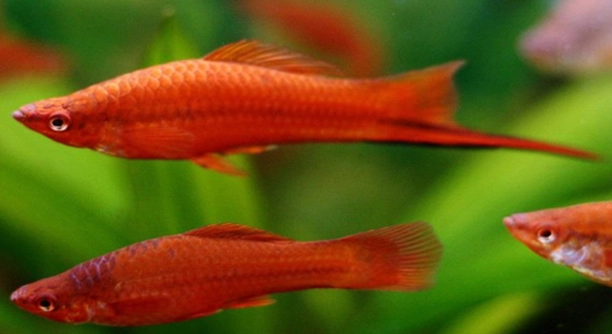
Do your swordtails seem less lively than usual, or are you just getting started with caring for this colorful freshwater fish?
The best way to keep swordtails happy and healthy is by providing clean, well-filtered water, a balanced diet, enough swimming space, and stable tank conditions. Regular maintenance and proper tank mates also support their well-being.
From water quality tips to feeding routines and tank setups, this article will walk you through everything you need to know.
Choosing the Right Tank Setup
Swordtails do best in a clean, spacious tank with plenty of room to swim. A 20-gallon tank is a good starting point for a small group. They enjoy a planted environment with hiding spots like rocks and driftwood, which helps reduce stress. Keep the tank covered, as swordtails are active and may jump. A reliable filter is important to maintain water quality, and gentle water flow is ideal. Use a heater to keep the water between 72–82°F, and maintain a pH level of 7.0–8.4. Lighting should be soft and not too intense. Avoid overcrowding the tank to ensure each fish has space. Swordtails are peaceful and do well in community tanks, but avoid aggressive tank mates. Add live or silk plants for visual interest and to mimic their natural environment. This setup helps swordtails feel safe, comfortable, and active throughout the day.
Keep decorations simple and avoid sharp objects that could harm their fins.
A calm, clean tank with balanced elements will allow your swordtails to stay active and interact naturally. Watching them explore their surroundings can be a good sign that they feel at ease. A proper setup is the first step toward long-term health and stability.
Feeding and Nutrition
Feeding swordtails a varied diet is essential for their health.
Swordtails eat both plants and animal-based foods, so offer a mix of high-quality flake food, frozen or live brine shrimp, bloodworms, and spirulina-based options. Feed them small portions twice a day, only what they can eat in a few minutes. Overfeeding can lead to water quality issues, which may cause stress or illness. Remove uneaten food right after feeding to avoid buildup. Adding blanched vegetables like zucchini or peas a few times a week supports digestion and provides nutrients. Rotate foods to keep their diet balanced. If raising fry, use crushed flakes or specialized fry food to ensure they grow properly. Always store food properly to preserve its quality. Feeding time also allows you to observe your swordtails. Healthy fish are eager to eat, have bright coloring, and swim actively. Poor appetite may be a sign something isn’t right. A thoughtful diet will keep your swordtails strong and energetic.
Maintaining Water Quality
Clean water is key to preventing disease and keeping swordtails active. Regular maintenance, like weekly water changes of 25%, helps remove waste and toxins. Always use a water conditioner to treat tap water before adding it to the tank.
Test the water once a week to monitor ammonia, nitrite, nitrate, and pH levels. High ammonia or nitrites can be harmful and may come from leftover food or overcrowding. Keep nitrates low through regular cleaning. Use a gravel vacuum during water changes to remove waste buildup. Clean the filter gently with tank water every few weeks to avoid killing beneficial bacteria. Avoid sudden changes in temperature or pH, as swordtails are sensitive to fluctuations. A steady environment supports their immune system and reduces stress. Water clarity and smell are also good signs—cloudiness or foul odors usually mean it’s time for a cleanup.
Good filtration helps keep your tank balanced, but it’s not a replacement for regular water changes. Filters trap debris and support helpful bacteria that break down waste, but they can clog or slow down over time. Make sure the filter is sized properly for your tank. If the flow gets too weak or noisy, it might be time to clean or replace parts.
Monitoring Behavior and Health
Swordtails show how they feel through their actions. A healthy swordtail swims steadily, reacts to movement outside the tank, and shows interest in food. If one hides more than usual or floats awkwardly, it may be unwell or stressed. Quick attention can prevent things from getting worse.
Common signs of illness include faded color, clamped fins, spots, or trouble swimming. These may point to infections, poor water conditions, or injury. Isolate sick fish when needed to protect others. Parasites like ich show up as white dots, and fin rot causes torn or ragged edges. Treat mild issues with over-the-counter medication, but always check your water first, since poor quality is often the root of the problem. Watching your fish daily helps you spot changes early. Healthy swordtails are curious, social, and alert. If something feels off, it usually is—acting fast can make a big difference in recovery.
Choosing Tank Mates
Swordtails are peaceful and do well with other calm fish. Good options include mollies, platies, guppies, and cory catfish. Avoid fin-nippers like tiger barbs or aggressive species that may chase or stress them out.
Stick to similarly sized fish to prevent bullying. Overcrowding can lead to stress, so plan the tank size accordingly. Watching how they interact can help you spot any problems early.
Breeding and Fry Care
Swordtails breed easily in home tanks. Females give birth to live fry about once a month. If you don’t want them to reproduce, keep only males or separate the sexes. When breeding, use a breeding box or add dense plants like java moss for hiding spots. Adult fish may eat the fry, so separating them increases their chances of survival. Feed the fry crushed flakes or liquid fry food in small amounts several times a day. Keep their water clean and warm to support fast growth. As they get bigger, gradually move them to the main tank or a grow-out tank.
Avoiding Common Mistakes
Skipping water changes and overfeeding are two of the biggest problems. These quickly lead to poor water quality and sick fish. Stick to a regular cleaning schedule and watch how much food you’re giving.
FAQ
How often should I change the water in my swordtail tank?
You should change 25% of the water every week. This keeps the water clean and ensures that toxins like ammonia and nitrates don’t build up. Water changes also help maintain the right pH levels and temperature, which are important for your swordtails’ health. Don’t skip this step, as it’s vital to keep your tank stable. When changing the water, use a gravel vacuum to clean debris from the substrate. Always treat tap water with a conditioner to remove chlorine and chloramine before adding it to the tank.
What should I feed my swordtails?
Swordtails need a balanced diet that includes both plant and animal-based food. They can eat flake food, pellets, and live or frozen foods like brine shrimp and bloodworms. Feed them small amounts two times a day, and be sure to remove any uneaten food within a few minutes to avoid water pollution. Adding vegetables like peas, zucchini, and spinach can also be a great way to provide fiber and extra nutrients. Avoid overfeeding, as this can lead to poor water quality and obesity in your fish. A varied diet keeps them healthy and colorful.
Can swordtails live with other fish?
Yes, swordtails are peaceful fish and do well in community tanks. They can live with other peaceful fish like guppies, mollies, and platies. However, avoid aggressive species that might stress or chase them. Swordtails tend to be active swimmers, so make sure there’s enough space for them to move around. Keep in mind that they may sometimes nip at the fins of slower-moving fish. When choosing tank mates, consider the fish’s temperament and size to ensure a harmonious environment. Also, don’t overcrowd the tank, as this leads to stress and health issues.
How do I tell if my swordtail is sick?
A healthy swordtail is active, eats well, and has bright, vibrant colors. If your fish is swimming erratically, hiding more than usual, or refusing to eat, it could be a sign of illness. Other signs to watch for include clamped fins, discoloration, lesions, or swelling. If you notice white spots or fuzz on their skin, they may have an infection or parasite. A sudden change in behavior often points to poor water quality, so always test your tank water first. If the water quality is fine and your fish’s condition doesn’t improve, you may need to treat with medication or isolate the sick fish. Early detection is key to treating health issues in swordtails.
How can I breed swordtails?
Breeding swordtails is fairly simple. Females give birth to live young, and the process doesn’t require much intervention. Keep males and females together, and provide plenty of hiding spaces in the tank. A breeding box or dense plants like java moss are ideal for giving the fry a chance to grow without being eaten by the adults. Once the fry are born, feed them small amounts of crushed flakes or specialized fry food. Keep the water clean and warm, as swordtail fry grow quickly and need proper conditions. Separate the fry from the adults to prevent predation. As the fry grow, you can move them to a larger tank.
What temperature should the water be for swordtails?
Swordtails thrive in water that is between 72°F and 82°F (22°C to 28°C). Consistent temperature is important, as fluctuations can stress the fish and lead to illness. Use an aquarium heater to maintain a stable temperature and monitor it with a thermometer. Avoid placing the tank near windows or air conditioners, as temperature changes from sunlight or drafts can cause harm. Keeping the water temperature within this range encourages natural behavior and promotes healthy growth in your swordtails.
How big do swordtails get?
Swordtails typically grow to about 4 to 5 inches in length, with males being slightly smaller than females. Males have the characteristic sword-like extension on their tails, which is more pronounced in some individuals. Swordtails are relatively small, so they’re a good choice for a community tank with plenty of swimming space. When they have enough room to grow, they will reach their full size and remain active and healthy. Make sure your tank has enough space to accommodate them comfortably.
What is the best pH level for swordtails?
Swordtails prefer a pH range of 7.0 to 8.4. They are adaptable to slightly alkaline water, making them a good choice for a variety of freshwater tanks. However, sudden changes in pH can stress the fish, so it’s important to keep it stable. Regular water changes and testing help maintain proper pH levels. If you notice that the water is too acidic or too alkaline, use water conditioners or buffers to adjust it gradually. Avoid making drastic changes, as this can cause more harm than good.
Why is my swordtail’s color fading?
A fading color in swordtails is usually a sign of stress, illness, or poor water quality. First, check the tank’s water parameters—high levels of ammonia or nitrites, or an improper pH, can cause your swordtail to lose its vibrant color. Stress from overcrowding, aggressive tank mates, or inadequate lighting can also lead to faded coloring. If the water quality is good and the tank setup is peaceful, it’s important to observe the fish for other signs of illness. Faded color combined with other symptoms may require medication or treatment. Keeping your swordtail’s environment stable is key to maintaining its natural, bright colors.
Do swordtails need a filter?
Yes, a filter is necessary to maintain good water quality in your swordtail tank. Swordtails are sensitive to poor water conditions, and a filter helps keep the water clean by removing debris and toxins. A filter also supports the growth of beneficial bacteria, which break down waste. Be sure to choose a filter that’s appropriately sized for your tank, as too much water flow can stress the fish, while too little won’t effectively clean the water. Regular maintenance, including cleaning the filter, ensures that it continues to work efficiently.
Final Thoughts
Caring for swordtails can be a rewarding experience when you understand their needs and provide a stable environment. These colorful fish are relatively easy to keep, but they do require attention to water quality, diet, and tank setup. Ensuring that their tank is spacious, clean, and properly maintained helps swordtails live a long and healthy life. They thrive in a peaceful community tank, so choosing the right tank mates and avoiding overcrowding is essential for their well-being.
When it comes to feeding, variety is important. Swordtails benefit from a diet that includes both plant and animal-based foods. You can provide high-quality flake foods, along with occasional live or frozen options like brine shrimp and bloodworms. This balanced diet supports their growth and keeps them vibrant. However, it’s important not to overfeed, as excess food can quickly pollute the water, leading to poor health. Keeping a routine feeding schedule and removing any uneaten food will help maintain water quality.
Observing your swordtails daily will give you a better understanding of their behavior and health. Healthy swordtails are active, curious, and colorful, while signs of stress or illness can be spotted early with regular observation. If you notice any changes in behavior, water quality should always be checked first. Addressing any issues as soon as possible can prevent bigger problems down the road. By following these basic guidelines and giving your swordtails the care they need, you’ll ensure they stay happy, healthy, and beautiful for years to come.

Hello,
If you enjoy the content that we create, please consider saying a "Thank You!" by leaving a tip.
Every little bit helps us continue crafting quality advice that supports the health, happiness, and well-being of pets around the world, for pets of all shapes, sizes, and species.
We really appreciate the kindness and support that you show us!