
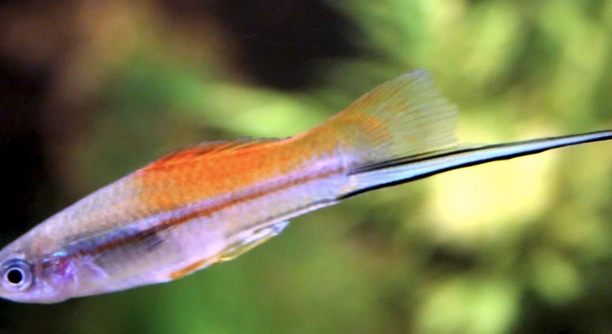
Swordtails are a popular species among aquarium enthusiasts, known for their vibrant colors and unique personalities. However, it can be concerning if your swordtails are hovering in one spot without much movement.
Swordtails may hover in one spot for several reasons, including stress, poor water quality, or a lack of stimulation. They could also be sick or have difficulty swimming due to physical issues. Regular tank maintenance is essential.
Knowing why your swordtails are hovering can help improve their overall health. By addressing any possible issues with water quality, diet, or tank conditions, you can ensure their well-being and prevent further concerns.
Possible Causes for Hovering in Swordtails
There are several reasons why swordtails may hover in one spot. One of the most common causes is poor water quality. Swordtails are sensitive to ammonia, nitrites, and changes in pH. When these levels rise, they may exhibit unusual behavior like hovering near the surface or staying in one spot for long periods. Additionally, improper water temperature can also stress them, causing them to become lethargic and less active. Another factor to consider is the tank’s current setup. If the swordtails feel threatened by other fish or lack hiding spots, they may stay in one spot to avoid conflict. Finally, physical ailments, such as swim bladder issues, can also result in a swordtail staying in one place and struggling to swim normally.
Poor water quality is often the leading cause of hovering. Ensuring proper filtration and routine water changes can help maintain a healthy tank environment. You should test the water regularly to detect any imbalances and make adjustments as needed.
By focusing on water quality and tank conditions, you can eliminate some of the main stress factors swordtails face. They thrive in stable environments with proper care.
Stress Factors Affecting Swordtails
Swordtails are sensitive to their environment, and stress is a major factor in hovering. Overcrowding, sudden changes in tank conditions, or aggressive tankmates can lead to this behavior. Swordtails, like many fish, need a peaceful environment to feel comfortable and healthy. If they’re constantly threatened or unable to find a quiet space, they may remain in one spot as a coping mechanism.
Aggressive tankmates can stress swordtails, especially if they are constantly chased or nipped at. Adding more hiding spaces or plants can help swordtails feel more secure. Additionally, having fish that are peaceful and share similar water condition needs can reduce stress levels.
Tank conditions should also be stable. Swordtails don’t handle sudden temperature changes or changes in water pH well. If there’s a rapid shift in either, they might hover, trying to adjust. Monitoring the temperature and providing a steady environment will make them feel safer and more active.
Illnesses and Physical Conditions
Sometimes swordtails hover due to illness or physical problems. Swim bladder disease is one of the common conditions affecting swordtails, causing them to float or hover in one place. Other physical conditions, like parasites or injuries, can also make them less mobile.
If swordtails show signs of illness, like staying in one spot, struggling to swim, or appearing bloated, it’s important to isolate the affected fish and monitor their behavior. Some issues, like swim bladder disease, can be treated with water temperature adjustments or special fish food.
Treating swordtail illnesses as quickly as possible can prevent further complications. Be sure to closely inspect your fish for signs of parasites, such as unusual spots or white film on their bodies. If physical injuries are the cause, giving your swordtail a safe and clean environment will help it recover.
Tank Maintenance and Water Quality
Poor water quality is one of the most common reasons swordtails hover. When ammonia, nitrites, or nitrates build up, it creates a toxic environment. Swordtails may struggle to swim normally or may hover near the surface to find oxygen-rich water. Regular water changes can help maintain healthy conditions.
Testing your water regularly is essential for preventing issues. Check the pH, ammonia, nitrites, and nitrates, and ensure that all levels are within safe ranges. Investing in a good filtration system and cleaning the tank regularly will help your swordtails thrive.
Feeding Habits and Diet
Swordtails may hover if they are not getting enough food or the right kind. A poor diet can lead to health issues, including lethargy and inactivity. They need a balanced diet of high-quality flakes, pellets, and occasional live or frozen food to stay active and healthy.
Providing a varied diet is key. Swordtails benefit from protein-rich foods such as bloodworms or brine shrimp, along with plant-based options like spirulina. A well-rounded diet supports their overall health, making them less likely to hover due to hunger or nutritional deficiencies.
Water Temperature
Swordtails prefer stable water temperatures between 72°F and 82°F. If the temperature fluctuates, they can become stressed or lethargic, causing them to hover. Keeping the water within this range is important to maintain their health and activity levels.
A reliable aquarium heater is essential for maintaining the proper temperature. Make sure to regularly check the water temperature with a thermometer, especially in seasonal changes, to prevent your swordtails from becoming stressed or inactive.
FAQ
Why do swordtails hover near the surface?
Swordtails often hover near the surface due to water quality issues, such as high ammonia or low oxygen levels. They may be trying to find oxygen-rich water, especially in tanks with poor filtration. Additionally, they could be experiencing stress or illness, causing them to stay near the surface as they try to breathe easier.
Can swordtails hover if they are sick?
Yes, swordtails can hover if they are sick. Swim bladder disease is a common issue where they may struggle to swim properly and hover in one spot. Other conditions, like parasites or bacterial infections, can also make them less active and more likely to hover.
How can I tell if my swordtail is sick?
Look for signs like lethargy, abnormal swimming patterns, bloating, or staying in one spot. A sick swordtail may also exhibit discoloration, spots, or unusual behavior. Isolating the sick fish in a separate quarantine tank can help prevent spreading any potential illnesses to others in your tank.
What is the best water temperature for swordtails?
Swordtails thrive in water temperatures between 72°F and 82°F. Keeping the water temperature stable within this range helps maintain their health and reduces the chances of them hovering due to stress or temperature fluctuations.
How can I prevent swordtails from hovering?
Maintain clean, stable water conditions, and provide a stress-free environment. Regular water changes, proper filtration, and avoiding overcrowding are essential. Adding hiding spots and peaceful tankmates can also help reduce stress. Ensure your swordtails are receiving a balanced diet with enough protein and nutrients.
Are swordtails social fish?
Yes, swordtails are generally social fish. They enjoy the company of other swordtails and peaceful tankmates. However, they can become stressed if the tank is overcrowded or if there is aggressive behavior from other fish. Having enough space for each fish is important for their well-being.
What is the best diet for swordtails?
Swordtails need a varied diet to stay healthy. A mix of high-quality flakes or pellets, live or frozen foods like bloodworms and brine shrimp, and plant-based foods such as spirulina helps provide the necessary nutrients. Offering a balanced diet can prevent them from hovering due to malnutrition.
How often should I feed my swordtails?
Feed your swordtails 1-2 times a day, offering only as much as they can eat within a few minutes. Overfeeding can lead to poor water quality, while underfeeding can cause them to hover due to hunger or nutritional deficiencies. Be sure to remove any uneaten food after feeding.
Can swordtails live with other fish?
Yes, swordtails are peaceful fish and generally do well with other non-aggressive species. However, avoid keeping them with overly aggressive or large fish that might bully them. Peaceful community fish, such as tetras or livebearers, make great tankmates for swordtails.
How do I reduce stress in swordtails?
To reduce stress in swordtails, keep their environment stable. This includes maintaining proper water quality, temperature, and pH levels. Avoid overcrowding, provide plenty of hiding spots, and ensure there are peaceful tankmates. A stress-free environment encourages swordtails to swim freely instead of hovering.
What should I do if my swordtail isn’t eating?
If your swordtail isn’t eating, check the water quality first. Poor water conditions can cause fish to lose their appetite. Make sure the tank is clean and that the water temperature is stable. If the issue persists, consider isolating the swordtail to prevent disease from spreading, and offer a variety of foods to entice them to eat.
How do I treat swim bladder disease in swordtails?
Swim bladder disease can be treated by adjusting the water temperature to a slightly warmer setting and offering specialized food that helps with digestion. In severe cases, you might need to isolate the fish in a separate tank and perform more frequent water changes.
Can swordtails be kept with live plants?
Yes, swordtails can live with plants. In fact, plants can provide hiding spots and reduce stress. Just make sure the plants are compatible with the tank conditions and that they don’t overcrowd the tank. Swordtails appreciate plants as part of their environment and may enjoy swimming among them.
Why is my swordtail swimming upside down?
If your swordtail is swimming upside down, it could be a sign of swim bladder issues or other internal problems. Swim bladder disease can cause this behavior. It’s best to isolate the fish, check water conditions, and offer treatment options like changing the temperature or offering digestible foods.
How do I prevent swordtail aggression?
Swordtails can become aggressive in overcrowded tanks or if there are territorial disputes. To reduce aggression, provide plenty of space, hiding spots, and maintain a peaceful community of fish. Avoid keeping too many males together, as this can lead to fighting.
Do swordtails need a filtration system?
Yes, swordtails require a filtration system to maintain clean water. Filtration helps remove toxins and ensures that the water stays oxygen-rich, which is essential for swordtail health. Be sure to clean the filter regularly to ensure it’s working effectively.
Final Thoughts
Swordtails are relatively hardy fish, but like any aquarium species, they need proper care to thrive. When swordtails are hovering in one spot, it’s often a sign that something in their environment isn’t quite right. The most common causes of this behavior include poor water quality, stress, illness, or even physical conditions like swim bladder disease. Keeping their tank environment stable and clean is crucial in preventing these issues and promoting a healthy, active lifestyle for your swordtails.
Regular water testing is one of the most important tasks you can do to ensure your swordtails stay healthy. Ammonia, nitrites, and nitrates can quickly build up in an aquarium, even with regular water changes, so it’s essential to check the levels regularly. Make sure the temperature and pH are within safe ranges as well. In addition to water quality, swordtails need a balanced diet with a mix of protein and plant-based foods. Overfeeding can lead to water quality problems, while underfeeding can leave them weak and prone to hovering or illness.
Finally, consider the tank’s overall environment. Swordtails are social fish and thrive in peaceful, well-planted tanks with enough space to swim and hide. Overcrowding can cause stress, and aggressive tankmates can make things worse. If your swordtail seems stressed or is hovering, look for signs of stressors like poor tankmates or an uncomfortable setup. By addressing water quality, diet, and tank conditions, you can help your swordtails stay healthy and avoid hovering, ensuring they live a long and happy life in your aquarium.

Hello,
If you enjoy the content that we create, please consider saying a "Thank You!" by leaving a tip.
Every little bit helps us continue crafting quality advice that supports the health, happiness, and well-being of pets around the world, for pets of all shapes, sizes, and species.
We really appreciate the kindness and support that you show us!