
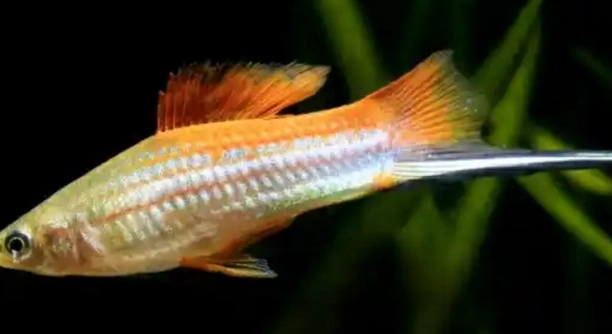
Swordtails are active fish that can display aggressive behavior, especially when they feel threatened or during breeding. Understanding their actions is key to distinguishing between fighting and normal interactions, so you can manage their tank environment accordingly.
Swordtails may fight due to territorial disputes, dominance behavior, or stress. Signs of fighting include chasing, nipping, or sudden bursts of aggression. Observing these behaviors closely can help you determine if there is a serious conflict or just playful interaction.
Identifying and managing aggression is essential for maintaining peace in your tank. By understanding what triggers these conflicts, you can create a more balanced environment for your swordtails.
Why Swordtails Fight
Swordtails are naturally territorial fish, and their aggression often stems from wanting to protect their space. Males especially tend to engage in aggressive behavior when trying to claim territory or compete for females. This can lead to chasing, nipping, or even intense battles. In some cases, this behavior is more common in crowded tanks where fish feel threatened. Without enough space, swordtails can become more competitive, leading to fights. Another trigger for aggression is when swordtails feel stressed, whether from changes in their environment, water conditions, or incompatible tankmates. Overcrowding, poor water quality, or the presence of aggressive species can all make swordtails more likely to fight. Keeping a watchful eye on your tank’s environment can prevent some of these issues.
Aggression can also be exacerbated during the breeding season when males are actively courting females. During this time, males may become more territorial, defending their chosen mates. The increased competition for mates can cause more aggressive interactions between males.
Identifying Aggressive Behavior
Swordtails communicate through body language. By observing their movements, you can quickly identify when aggression is escalating.
One of the most obvious signs of fighting is when swordtails chase one another, particularly if the fish seem to lock onto a target. Another sign is when one fish begins nipping at another’s fins or body, often without letting up. When these behaviors persist, it’s important to step in.
Sometimes, these fights escalate into physical damage, especially if one fish becomes overwhelmed. Tail damage or torn fins are clear signs that aggression has gotten too serious. Watching for these signs early can help you avoid long-term harm to your fish.
How to Manage Aggression in Swordtails
Managing aggression starts with setting up a suitable tank environment. Swordtails need space to thrive. A larger tank with plenty of hiding spots will reduce stress and discourage territorial behavior. It’s also important to keep swordtails in groups, especially when they are kept with multiple males. Having more females than males can help reduce the chances of males fighting over mates. Another key factor is ensuring that your tank has stable water conditions. Sudden changes in water temperature, pH, or hardness can cause stress and lead to fights. Regular water changes and filtration are essential in maintaining a healthy environment. When it comes to tankmates, swordtails are generally peaceful, but they may clash with more aggressive fish species. Avoid keeping them with overly territorial or larger fish, as this can make them feel threatened. Also, try to keep males from having direct competition for mates. If aggression continues, consider rearranging the tank decorations to break up territories and provide new areas for fish to explore. This can help reduce the feeling of being trapped in one space.
When to Step In
Sometimes, despite your best efforts, swordtails will continue to fight.
If you notice that your swordtails are consistently battling or causing serious injury, you may need to separate them. Moving one fish to a different tank can give both fish a break from the stress of constant aggression. Alternatively, you can introduce more hiding spaces or rearrange the decorations to provide new territories. Keeping a close eye on their behavior can help you decide when to intervene.
Understanding Swordtail Behavior
Swordtails are not always fighting. Sometimes, they engage in aggressive behavior as a form of communication or to establish dominance. When they feel threatened or challenged, they may display behaviors like chasing, fin flaring, or posturing. These actions can help fish establish their social hierarchy without serious conflict.
Understanding their body language is key. When a swordtail displays its fins or darts at another fish, it’s usually a warning or an attempt to establish dominance. Chasing, especially in males, is often about competing for space or mates. However, it’s essential to notice whether these behaviors are escalating to something more harmful.
Keeping a calm environment helps reduce these displays. The more space and resources a swordtail has, the less likely they are to become aggressive. If they feel crowded or stressed, that’s when the behaviors can escalate into fights.
Identifying Signs of Stress
Stress is one of the main reasons swordtails may start fighting. Poor water conditions or sudden changes can cause them to act out. If the water temperature fluctuates, or if the tank is too small, swordtails will become anxious and more likely to show aggression.
Other signs of stress include hiding, rapid swimming, or labored breathing. When swordtails are stressed, they may appear less active or move erratically. This behavior often signals discomfort, and if left unaddressed, it can lead to more aggressive tendencies. Observing your fish closely during these times can help you identify issues before they escalate.
By making sure the tank is well-maintained, you can prevent these stressors. Consistent water parameters and a peaceful tank setup go a long way in calming swordtails and keeping aggression at bay.
Tank Size and Space
Tank size plays a critical role in minimizing aggression. Swordtails are active swimmers, and a small tank can easily lead to territorial disputes. A larger tank gives them space to spread out and claim their territory without constant confrontation. The ideal size for swordtails is a 30-gallon tank or larger.
In a cramped tank, swordtails will be more likely to fight over resources. With more room to roam, they can establish natural territories without constant conflict. Providing plenty of hiding spots and plants also helps swordtails feel secure. This gives them places to retreat and avoid other fish when needed.
If possible, keep swordtails in schools of at least three to four fish. They naturally form groups, and having a small school helps reduce stress and aggression. More females than males can also help ease tension.
The Role of Mating Behavior
Aggression often peaks during the mating season, especially among males. Swordtail males can be territorial when they are trying to attract females. They may become more competitive, chasing and nipping at each other to assert dominance over the female.
During this period, males may display their sword-like tails more prominently and engage in frequent chasing. This is natural, but it can become a problem if one male is constantly harassing a female or another male. If aggression seems excessive, you can adjust the ratio of males to females to reduce competition.
In some cases, separating overly aggressive males or adjusting tank layout can help reduce stress during the breeding season. Keep an eye on the behavior and step in when necessary.
Tank Mates for Swordtails
Choosing the right tank mates can help reduce aggression. Swordtails do well with peaceful fish that are not overly territorial. Avoid aggressive species like cichlids or large fish that might intimidate them. Instead, opt for small, calm fish that share similar water requirements.
Fish like guppies, mollies, and tetras are often good companions. These species are generally peaceful and can coexist with swordtails without triggering excessive aggression. Keeping swordtails with other peaceful species also provides them with distractions, reducing the likelihood of fighting. However, make sure the tank is large enough to accommodate all species comfortably.
When selecting tankmates, consider their size and temperament. Swordtails can hold their own, but overcrowding or adding overly aggressive fish can cause issues.
Maintaining Water Quality
Water quality is crucial for swordtail health. Poor water conditions can lead to stress and aggressive behavior. Regular water changes, proper filtration, and monitoring of temperature and pH levels help create a stable environment for your fish.
Swordtails thrive in clean, well-maintained water. Make sure to test the water regularly, especially after new additions to the tank. High levels of ammonia, nitrites, or nitrates can be toxic to swordtails and cause irritation, triggering aggressive actions. Good filtration helps maintain water quality, while regular water changes remove excess waste.
By ensuring a healthy, balanced environment, swordtails are less likely to display aggressive behavior out of stress.
When to Separate Swordtails
In some cases, swordtails need to be separated to prevent constant fighting. If aggression is ongoing and one fish is being continuously harassed, it’s time to intervene. Keeping fish in different tanks or compartments can help reduce stress and prevent injury.
If a particular male becomes too aggressive towards others, moving him to a separate tank may allow for a period of recovery. This gives the other fish a chance to settle down. Keep in mind, though, that aggression is natural, and some chasing or fin-flaring can be a part of swordtail behavior. Only separate them if the aggression becomes a problem.
FAQ
What is the main cause of swordtail aggression?
Swordtail aggression is usually caused by territorial behavior, competition for mates, or stress. Males are particularly territorial and may fight with each other to claim space or assert dominance. This can be more pronounced during breeding seasons. Stress, often due to poor water conditions or overcrowding, can also trigger aggression.
To reduce aggression, it’s crucial to ensure the tank has enough space and hiding places. Regular water changes and monitoring water quality help keep swordtails healthy and less stressed. Also, consider tankmates that won’t provoke them, as stress from other fish can increase aggression.
How can I tell if my swordtails are fighting or just displaying dominance?
When swordtails are fighting, you will notice more aggressive behavior, such as chasing, fin nipping, or even physical damage to the fins. Dominance displays, however, usually involve posturing or brief chasing without injury. The key difference is that fighting leads to harm or prolonged chasing, while displays of dominance are less intense.
If there’s no physical damage and the interactions are short-lived, it’s likely a dominance display. However, if the aggression escalates and fish are being injured, it’s important to intervene. You may need to separate the fish or rearrange the tank to reduce stress.
How many swordtails should I keep together?
Swordtails should ideally be kept in groups of at least three to four, with a higher ratio of females to males. This helps to spread out the male’s attention and reduces the likelihood of excessive competition. Having more females than males minimizes fighting among males over mates.
Additionally, a larger group will spread out the aggression and prevent any one fish from becoming a target. A 30-gallon tank or larger is recommended for housing a small group of swordtails. The extra space will give them room to establish territories without feeling crowded.
Do swordtails fight with each other if there are enough females?
In many cases, having more females than males reduces fighting. When males have to compete for mates, they may become more aggressive, especially if there are not enough females to go around. By maintaining a ratio of 2-3 females per male, the males are less likely to fight over mates.
However, aggression can still happen if there’s not enough space or if the water conditions aren’t ideal. Even with plenty of females, swordtails can display dominance and territorial behavior, especially during breeding seasons. Providing enough hiding spots and space in the tank is crucial.
What should I do if my swordtail is injured from a fight?
If a swordtail is injured, it’s important to address the injury quickly to prevent infection. First, remove the injured fish from the main tank to a separate quarantine tank with clean, warm water. This will help reduce stress and give the fish time to heal.
You can treat the wound with an aquarium-safe antiseptic or a salt bath to reduce the risk of infection. Keep the water clean and ensure the tank is properly filtered. If the injury is severe, consult an aquatic vet for further advice.
Can swordtails live with other species of fish?
Yes, swordtails can live with many other peaceful species, such as guppies, mollies, and tetras. They are generally friendly and social fish but may become territorial if the tank is too small or overcrowded. Avoid keeping swordtails with large or aggressive fish that might stress them out or provoke aggression.
It’s best to choose tankmates that have similar water requirements and are not too territorial themselves. Overcrowding can lead to stress, so ensure the tank is appropriately sized for the number of fish.
How can I reduce fighting in a swordtail tank?
To reduce fighting, start by providing enough space for all the fish. A larger tank gives each swordtail room to establish its own territory and reduces stress. Add plenty of hiding spots and plants, which will help swordtails feel secure and reduce the chance of aggression.
Also, keep water quality high by doing regular water changes and ensuring proper filtration. If possible, maintain a higher ratio of females to males to reduce competition for mates. Lastly, avoid mixing swordtails with overly aggressive or territorial species.
Why are my swordtails constantly chasing each other?
Chasing is a natural part of swordtail behavior, especially among males competing for territory or mates. During breeding seasons, males are more likely to chase each other as they try to claim space. However, if the chasing becomes excessive or leads to injury, it may indicate that there’s too much competition or stress in the tank.
If you see consistent chasing, consider increasing the number of females in the tank, providing more space, and ensuring the water quality is ideal. Sometimes, rearranging the tank’s layout can also help reduce territorial disputes.
How do swordtail males attract females?
Males attract females by displaying their swordtails and swimming in a characteristic zigzag pattern. This behavior is meant to show off their size and strength, as females often prefer males with more prominent tails. Males may also chase the females to get their attention, sometimes leading to aggressive displays if there are multiple males competing.
To encourage healthy mating behavior, it’s essential to provide a well-maintained tank with plenty of space. Stressful conditions can inhibit breeding and increase aggressive behavior.
Can swordtails fight with other species in the tank?
Swordtails are generally peaceful but may show aggression toward other species if they feel threatened or crowded. While they don’t typically pick fights with other species, they can become territorial, especially if their space is limited. To avoid conflict, make sure the tank has enough room and hiding spots for all species.
Final Thoughts
Swordtails are relatively peaceful fish, but like any species, they can display aggressive behaviors, especially when they feel threatened or stressed. Understanding the causes behind their aggression is key to creating a harmonious tank environment. Most aggression stems from territorial disputes, competition for mates, or stress due to overcrowding or poor water conditions. By addressing these factors, you can reduce the chances of fighting and ensure that your swordtails are happy and healthy.
Providing enough space is one of the most effective ways to minimize aggression. A larger tank allows each fish to establish its own territory, reducing competition for space. Adding plenty of plants and hiding spots also helps create a less stressful environment, giving swordtails places to retreat if they feel threatened. Maintaining proper water quality is just as important. Swordtails are sensitive to changes in water temperature, pH, and cleanliness, and poor water conditions can cause stress that leads to fighting. Regular water changes and proper filtration help keep the tank environment stable and healthy.
In some cases, aggression is natural, especially during breeding seasons. Male swordtails can become more territorial and competitive when they are vying for the attention of females. This type of behavior is often temporary and can be managed with a good ratio of males to females. However, if aggression continues and leads to injury, it’s important to step in. Separating overly aggressive fish, adjusting tank decorations, or improving water conditions can all help reduce conflicts. With the right setup and attention to their needs, swordtails can thrive peacefully in a well-maintained aquarium.

Hello,
If you enjoy the content that we create, please consider saying a "Thank You!" by leaving a tip.
Every little bit helps us continue crafting quality advice that supports the health, happiness, and well-being of pets around the world, for pets of all shapes, sizes, and species.
We really appreciate the kindness and support that you show us!