
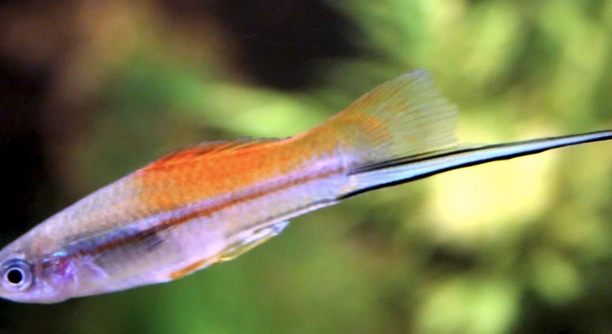
Swordtails are a popular choice for many aquarium owners. Their bright colors and lively personalities make them a fun addition to any tank. However, if you’ve noticed your swordtails swimming with their heads down, you might be concerned.
Swordtails swimming head down could indicate a variety of issues such as stress, poor water quality, or an underlying health problem. It’s essential to assess the tank environment, diet, and behavior to determine the cause and find a solution.
Understanding why this happens can help you take the necessary steps to correct the situation. Maintaining a healthy environment for your fish is crucial, and we will discuss practical ways to prevent and address this behavior.
Why Swordtails Swim Head Down
Swordtails are active and curious fish that generally swim in an upright position. If you notice them swimming with their heads down, it could be a sign that something is wrong. This behavior is often linked to stress or poor water conditions. Fish are sensitive to their environment, and even slight changes in water temperature, pH, or cleanliness can cause discomfort. Stressful situations, like overcrowding or the presence of aggressive tank mates, can also lead to abnormal swimming patterns. In some cases, this behavior may be a symptom of an illness or injury.
While it’s normal for swordtails to occasionally display unusual swimming, a consistent head-down position requires your attention. It’s crucial to examine all aspects of their living conditions and make adjustments as needed. Proper tank care and monitoring their health are key to ensuring swordtails swim happily and healthily.
Ensuring a balanced, clean tank is the first step in preventing this behavior. Regular water changes and checking the water parameters can go a long way in maintaining a healthy environment for your swordtails.
Common Causes of Head-Down Swimming
Several factors could be at play when your swordtails swim with their heads down. Poor water quality is a leading issue. High levels of ammonia, nitrites, or low oxygen can cause distress. In addition, an imbalanced diet may affect their health and swimming behavior. Sometimes, improper water temperature can be another factor. Swordtails prefer a stable, warm environment, so temperature fluctuations should be avoided.
To fix these problems, it’s important to regularly test your water to ensure it’s within the ideal range. Swordtails do best in water with a temperature of 72°F to 82°F and a pH of 7.0 to 8.0. Be sure to maintain good filtration and perform water changes weekly. Overcrowding is another issue that can stress your swordtails. Ensure your tank is spacious enough, with plenty of hiding spots to reduce stress.
By addressing these common causes, you can help your swordtails regain their natural swimming posture and reduce the risk of further health problems.
Dealing with Stress in Swordtails
Stress is one of the most common reasons why swordtails swim with their heads down. There are many stress factors, including sudden changes in the tank environment, poor water quality, or aggressive tank mates. Swordtails are sensitive fish, and a stressful situation can quickly cause them to display abnormal behavior.
If you suspect stress is the cause, start by observing their behavior closely. Check for any signs of aggression from other fish. Some species may bully swordtails, causing them to feel threatened and swim unnaturally. It’s also important to look at the water temperature and ensure it’s consistent.
Sometimes, swordtails may just need some time to acclimate to a new environment. However, if the stress continues, you may need to adjust the tank setup. Make sure that the tank is large enough and that there are enough plants or decorations to give them hiding spots and reduce stress. Consider separating aggressive fish if they are contributing to the issue.
Making these adjustments should improve the overall well-being of your swordtails and help them swim normally again.
Illnesses That Affect Swimming Behavior
If your swordtail is sick, it can lead to abnormal swimming, including a head-down posture. Diseases like swim bladder disorder or internal infections can cause this. Swim bladder disorder specifically affects a fish’s ability to maintain buoyancy, which may result in unusual swimming angles.
Swim bladder issues can occur when the fish’s bladder becomes inflamed or damaged. It could also happen due to overfeeding or constipation, both of which put pressure on the fish’s digestive system. In severe cases, swordtails may lose their ability to swim upright altogether. If you suspect this condition, it’s important to stop feeding your fish for a few days and provide them with peas or special food to help clear blockages.
Other illnesses such as parasites or bacterial infections may cause lethargy, discomfort, and strange swimming behaviors. These health issues often require immediate treatment with medications. Keeping a close eye on the fish’s overall health and treating any signs of illness early on can help prevent long-term damage.
Preventing Water Quality Issues
Maintaining good water quality is essential for keeping swordtails healthy. Dirty or unbalanced water can lead to stress and health issues. Regular water testing for ammonia, nitrate, nitrite, and pH levels is crucial.
Proper filtration can help maintain clean water, but it’s important to change the filter media regularly. Poor filtration or old filter media can leave toxins in the water, which harms fish. Additionally, water changes should be a regular part of tank maintenance. At least 25% of the water should be replaced weekly to prevent harmful build-up.
It’s also important to avoid overfeeding your fish. Leftover food breaks down in the water and increases waste, which lowers the water quality. Monitoring your swordtails’ eating habits and cleaning up excess food is vital in keeping the water clean. Regularly testing the water and ensuring it stays within the optimal range is key to maintaining a healthy tank.
Overcrowding in the Tank
Overcrowding can stress swordtails, causing them to swim abnormally. When there are too many fish in the tank, it can lead to aggression and competition for food. This stresses swordtails and may result in their swimming head down.
Ensure your tank is large enough for the number of fish you have. A general rule is one inch of fish per gallon, but swordtails, being active, need more space. If you’re keeping other species, be mindful of their behavior and space requirements to avoid stress-related swimming patterns.
Temperature Fluctuations
Swordtails are sensitive to temperature changes. If the water temperature fluctuates too much, it can cause stress, leading to abnormal swimming behavior. Swordtails thrive in a temperature range of 72°F to 82°F.
Sudden drops or increases in temperature can cause discomfort and confusion, making swordtails swim erratically. A reliable heater is essential for maintaining a stable temperature in the tank. Check the heater regularly and consider using a thermometer to keep track of the water’s temperature.
Aggression from Tankmates
Swordtails are peaceful fish but can be stressed by aggressive tankmates. Tankmates that nip at their fins or chase them can cause stress, leading to head-down swimming. It’s important to carefully choose compatible fish to avoid aggression.
Aggressive fish can bully your swordtails, making them feel unsafe. If you notice such behavior, consider separating the aggressive species or rearranging the tank to disrupt territorial claims. Having enough hiding places or plants can also give swordtails some refuge from harassment.
FAQ
Why is my swordtail swimming upside down?
If your swordtail is swimming upside down, it may have swim bladder disorder. This condition affects the fish’s ability to control its buoyancy, causing it to lose balance. It can be caused by overfeeding, constipation, or infections. To help, stop feeding your swordtail for a few days and provide it with a few pieces of blanched peas to help with digestion. If the condition persists, consider seeking medication or consulting a veterinarian who specializes in fish.
Can poor water quality make my swordtail swim head down?
Yes, poor water quality can stress your swordtail and cause it to swim in an abnormal manner. Ammonia, nitrites, or high nitrate levels can harm fish and cause discomfort. Regular water testing is crucial to ensure that the water parameters are in the ideal range for your swordtails. If the water quality is poor, perform a water change and make sure your filtration system is working properly. Keep the water clean, and your swordtails should swim more comfortably.
How often should I change the water for my swordtails?
Water changes are vital for maintaining a healthy environment for your swordtails. Perform a 25% water change every week to keep the water fresh and remove toxins. Be sure to test the water before and after each change to ensure it remains within the safe range. Clean the tank regularly, remove debris, and check the filter to ensure the water stays clean. Regular water changes are essential for the health and well-being of your swordtails.
Can aggression from other fish cause my swordtail to swim head down?
Yes, aggressive fish can stress your swordtail, causing it to swim abnormally. Swordtails are peaceful fish and do not do well in tanks with overly aggressive species. Fish that nip at their fins or chase them around will cause anxiety and abnormal behavior. If this happens, consider separating the aggressive fish or adding more hiding spots and plants to provide your swordtail with places to retreat. Reducing stress from aggression can help your swordtail return to normal behavior.
Is my swordtail sick if it’s swimming head down?
Not necessarily, but if your swordtail is swimming head down and showing other signs of illness, it could be a health problem. Common causes include swim bladder disorder, infections, or parasites. Pay attention to other symptoms, like a lack of appetite, lethargy, or discolored fins. If your swordtail’s condition doesn’t improve or worsens, you may need to treat it with medication or consult a vet who specializes in fish health.
How can I prevent my swordtails from swimming head down?
To prevent your swordtails from swimming head down, ensure they have a clean, stable environment with proper water quality. Regularly check the water parameters, and perform frequent water changes to maintain optimal conditions. Avoid overcrowding, as too many fish can lead to stress. Make sure the tank has enough space, hiding spots, and compatible tank mates to prevent aggression. Providing a balanced diet and not overfeeding will also help maintain your swordtails’ health.
Do swordtails need a heater to stay healthy?
Yes, swordtails are tropical fish and require a heater to maintain a stable temperature. They thrive in water that stays between 72°F and 82°F. Sudden temperature changes can stress them, causing abnormal swimming behavior. Use a reliable aquarium heater and a thermometer to monitor the water temperature. Keeping the temperature consistent will reduce stress and help your swordtails stay healthy.
How can I treat swim bladder issues in swordtails?
Swim bladder problems in swordtails can often be treated by adjusting their diet. If your swordtail is constipated, feed it a small amount of blanched peas to help clear its digestive system. Avoid overfeeding and allow the fish to fast for a day or two to see if the issue resolves. If the swim bladder issue persists, you may need to isolate the fish in a quarantine tank and treat it with specific medications for swim bladder disorder. In severe cases, a veterinarian’s advice may be necessary.
Should I remove sick swordtails from the main tank?
Yes, if your swordtail shows signs of illness, it’s a good idea to remove it from the main tank. This helps prevent the spread of any potential diseases to other fish. Place the sick swordtail in a quarantine tank where you can better monitor its health and administer any necessary treatments. Keep the water conditions optimal in the quarantine tank and avoid handling the sick fish too much, as it could cause additional stress.
Can swordtails live with other species of fish?
Yes, swordtails are generally peaceful and can live with many other species of fish, as long as they are not overly aggressive. However, it’s important to choose compatible tank mates. Avoid aggressive or fin-nipping fish, as these can stress your swordtails. Good tank mates for swordtails include other peaceful species such as tetras, guppies, or mollies. Make sure the tank is large enough to accommodate all the fish comfortably.
Final Thoughts
Swordtails are generally hardy and vibrant fish, making them a popular choice for many aquarium owners. However, when they begin swimming head down, it can be a sign that something is wrong. Whether it’s stress from poor water quality, aggression from tank mates, or even illness, it’s important to address the issue quickly to ensure the health and well-being of your fish. Monitoring your swordtail’s environment, behavior, and overall health can help you identify the root cause of the problem.
One of the most effective ways to prevent your swordtails from swimming head down is by maintaining a clean and stable tank environment. Regular water changes, keeping the water parameters within the ideal range, and using a reliable filtration system are essential. Avoid overcrowding your tank, as it can lead to stress and competition for resources. Also, provide hiding spots for your swordtails, as these fish can feel safer when they have places to retreat from potential stressors. Keeping the tank clean and the water fresh is one of the most important steps in ensuring your swordtails swim healthily and happily.
In addition to proper tank care, it’s essential to observe the behavior of your swordtails and their tankmates. If there are any signs of aggression or illness, it’s important to address them as soon as possible. Aggressive fish can make your swordtails feel threatened, causing them to swim abnormally. If you notice any signs of illness, such as a lack of appetite or abnormal swimming, take action immediately by isolating the affected fish and seeking treatment. By staying proactive with water care, monitoring their health, and providing a peaceful environment, your swordtails can return to their lively and beautiful selves.

Hello,
If you enjoy the content that we create, please consider saying a "Thank You!" by leaving a tip.
Every little bit helps us continue crafting quality advice that supports the health, happiness, and well-being of pets around the world, for pets of all shapes, sizes, and species.
We really appreciate the kindness and support that you show us!