
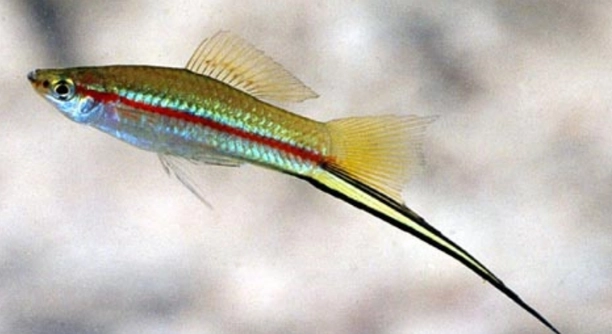
Are your aquarium plans causing confusion about whether Swordtails and Betta fish can live together peacefully in the same tank? This question often comes up when choosing fish with bright colors and lively personalities.
Swordtails and Betta fish can sometimes coexist, but their compatibility depends on tank size, individual temperaments, and water conditions. While some may live peacefully, others may display aggression, especially if space or hiding areas are limited.
There are a few key points that can help determine if this pairing will be successful in your home aquarium.
Understanding the Behavior of Swordtails and Bettas
Swordtails are peaceful by nature, while Bettas can be territorial and easily stressed by active tank mates. Swordtails prefer swimming in groups and need plenty of space to move. On the other hand, Bettas enjoy quieter environments and often react aggressively to fish with flowing fins or bright colors. When placed in a shared tank, Swordtails may unknowingly provoke a Betta due to their energetic movement, which can lead to conflict. Compatibility depends on the size of the tank, the presence of hiding spaces, and the personalities of the individual fish.
Adding a Betta to an already active Swordtail tank can cause tension. Bettas may see the Swordtails as threats and act defensively.
A calm Betta in a spacious tank with enough plants and decorations may tolerate Swordtails, especially if the Swordtails stay in the middle and upper parts of the tank. Careful observation during the first few days is important. If either fish shows signs of stress or injury, it may be necessary to separate them. In some cases, female Bettas do better than males because they tend to be less aggressive. Tank size should be at least 20 gallons when housing both species together. This allows each fish to establish its own space and helps prevent unwanted behavior.
Tips for a Peaceful Shared Tank
Tank setup makes a big difference. A well-decorated tank with plenty of room will reduce the chances of aggression.
Aim for at least 20 gallons with lots of plants, rocks, or driftwood to break up sightlines. Swordtails are active swimmers, so make sure there’s enough open space. At the same time, provide hiding spots for your Betta to feel secure. Keep water temperature around 76–80°F and maintain good filtration. Adding fish slowly and watching how each one reacts is essential. Try introducing the Betta last to prevent it from becoming territorial too early. Avoid male Swordtails with very long fins since they might trigger aggression from the Betta. Feed them separately if needed to avoid competition. If signs of stress appear—such as torn fins, hiding, or chasing—rethink the setup. Not every Betta will tolerate tank mates, so you’ll need to adjust depending on their behavior. Having a backup tank is a smart option if things don’t work out.
Monitoring Behavior and Making Adjustments
Keep a close eye on both fish for the first week. Look for signs of stress, like torn fins or hiding. If chasing starts or one fish stops eating, it’s a clear sign the setup needs changing.
If aggression continues, rearranging the tank decor can help. Changing the layout breaks up territories and forces both fish to readjust their boundaries. Add extra plants or decorations to create visual blocks. This reduces direct contact and lowers the chance of confrontation. Feeding them at opposite ends of the tank also keeps things calmer. If the Betta still shows signs of aggression, try using a tank divider or moving the fish to a separate tank. Not every pairing will work, even in the best conditions. Keeping fish happy sometimes means choosing different tank mates entirely. You can always try again with more peaceful combinations later on.
Regular maintenance is important for keeping the tank stable. Clean water and a consistent schedule help reduce stress and support healthy behavior. Test the water weekly for ammonia, nitrite, nitrate, and pH levels. Stable conditions make it easier for both Swordtails and Bettas to adjust to each other. Also, avoid sudden changes in lighting or temperature, as they can make fish more defensive. When something seems off, act quickly. Early changes prevent long-term problems. Observing them daily makes it easier to notice shifts in behavior. If separation is needed, move one of the fish gently using a net or container. Taking quick action keeps both fish safe.
When to Try Different Tank Mates
Sometimes, the best option is to try a different setup altogether. If your Betta is aggressive no matter what, it may do better alone or with bottom-dwellers like Corydoras. These fish stay out of the Betta’s way.
Choosing the right tank mates often comes down to the Betta’s personality. Some Bettas simply do not tolerate active fish like Swordtails. Instead, look for calm, peaceful species that don’t resemble other Bettas or have long fins. Ember Tetras, Kuhli Loaches, or Nerite Snails can be good options. These fish tend to stay in different zones of the tank and don’t compete for space or attention. If you still want color and activity, female Bettas may offer more flexibility. Their lower aggression level allows more variety in tank mates. Keep experimenting carefully and always prioritize the health and safety of all your fish. A peaceful tank is better than a stressful one.
Choosing the Right Environment
A heavily planted tank helps both fish feel secure. Plants create shelter, reduce stress, and give Bettas places to hide when they need space. Swordtails also enjoy swimming through leaves and resting near plant cover.
Avoid tanks with strong currents. Bettas prefer calm water, while Swordtails can handle moderate flow. Use gentle filters or baffle the output.
Feeding Considerations
Swordtails are fast eaters and may grab food before the Betta has a chance. To prevent competition, feed them at opposite ends of the tank. Bettas prefer floating pellets, while Swordtails enjoy flakes and sinking options. Feed in small amounts, once or twice a day, and remove any uneaten food. This keeps the water cleaner and avoids waste buildup. Watching how they eat can also reveal early signs of stress or health changes. If one fish stops eating or becomes sluggish, it’s a sign to reassess the tank conditions or feeding routine. Balanced nutrition supports both health and behavior.
Final Thoughts on Compatibility
Some Bettas do fine with Swordtails, while others struggle. It depends on the individual fish and how their environment is managed.
FAQ
Can Swordtails and Betta fish live in the same tank peacefully?
They can, but it depends on the Betta’s personality. Some Bettas are more aggressive than others. A peaceful Betta may tolerate Swordtails if the tank is large enough and has hiding spots. Monitor their behavior closely, especially in the beginning. If the Betta chases or flares often, separation may be needed.
What tank size works best for keeping them together?
A 20-gallon tank or larger gives both fish enough space. Swordtails are active swimmers and need room to move, while Bettas prefer calm areas. A larger tank also helps reduce aggression by allowing more space for territories. Smaller tanks increase the risk of stress and conflict.
Should I choose male or female Swordtails with a Betta?
Female Swordtails are typically less aggressive and may be a better match. Male Swordtails are flashier and more active, which can provoke some Bettas. If you try males, watch closely. If tension rises, switching to females may help.
Can I keep multiple Swordtails with one Betta?
Yes, but keep the group balanced. A small group of three or more Swordtails helps spread out any aggression. Avoid overcrowding. Overcrowded tanks cause stress and raise ammonia levels. Make sure your filter can handle the bioload and maintain stable water conditions.
Do they eat the same food?
They can share some foods, like high-quality flakes or pellets. Bettas prefer floating pellets, while Swordtails will eat floating or sinking food. Offer a variety, including frozen or live foods. Feed in separate areas of the tank to avoid competition and ensure both fish eat properly.
How do I know if the Betta is stressed?
Watch for signs like fin clamping, hiding, loss of appetite, or excessive flaring. If the Betta constantly chases the Swordtails or hides for long periods, it’s likely uncomfortable. Stress also shows in color changes—duller shades may indicate trouble. Address these signs quickly to prevent health issues.
What kind of tank setup helps avoid aggression?
Use plants, caves, and decorations to break up the tank space. This creates hiding places and blocks the line of sight between fish. Bettas enjoy having places to rest, while Swordtails like swimming through open areas. Keep the tank layout balanced with calm and active zones.
Can Swordtails hurt a Betta?
Swordtails are not typically aggressive, but males may nip if space is tight or they feel threatened. Fast movement from Swordtails can also stress slower Bettas. If you see the Betta with torn fins, observe interactions closely and consider separating them.
How do I introduce them safely?
Add the Betta last. Let Swordtails establish themselves first, then float the Betta in a bag for 15–30 minutes. This helps with temperature adjustment and gives the Betta time to observe the tank. Release gently and monitor their behavior for the next several days.
Can I add other fish to this setup?
Only if the tank is large enough. Peaceful bottom-dwellers like Corydoras or snails can work well. Avoid fin-nippers or overly active fish. Research each species before adding them to avoid unexpected aggression. A calm tank depends on balanced personalities and enough space for everyone.
How often should I clean the tank?
Perform weekly water changes of about 25–30%. Use a gravel vacuum to remove waste, and clean the filter monthly without replacing all the media. Monitor water parameters to keep ammonia and nitrite at zero. Clean water helps reduce stress and keeps both fish healthy.
Are there any signs that the setup isn’t working?
Yes. Constant chasing, hiding, refusing food, or visible injuries are warning signs. If one fish seems distressed or both act out of character, reassess the environment. It’s better to separate them early than risk long-term damage. Every tank is different, and not every pair will work out.
Final Thoughts
Keeping Swordtails and Betta fish together can work in the right setup, but it takes careful planning and observation. Not all Bettas will react the same way to tank mates, and some may never feel comfortable sharing space. Swordtails are social and fast swimmers, which might stress out a Betta if there is not enough room or hiding places. A peaceful setup often depends on the Betta’s personality, the number of Swordtails, and the tank environment. If you notice any signs of stress, such as fin damage or hiding, it’s important to act quickly and make changes. Some fish do better on their own, and that’s okay too.
A larger tank with plants and decorations can help reduce tension and give both types of fish places to feel safe. Balanced feeding, calm lighting, and stable water conditions also play a big part in keeping stress low. Introduce new fish slowly and monitor their interactions in the first few days. Feeding at separate spots in the tank can help avoid competition and make sure both the Betta and Swordtails get enough to eat. These small adjustments can make a big difference in whether the fish are calm or feel uneasy. If the Betta becomes aggressive, it may be best to remove it and give it its own space.
In the end, successful cohabitation depends on many small factors. The behavior of each fish, the layout of the tank, and how well they are monitored all play a role. It may take some trial and error to find what works. Some aquarists find the combination rewarding when the tank runs smoothly, while others decide that separation is the safer option. What matters most is keeping the fish healthy and stress-free. With regular care, close observation, and patience, you can decide whether this mix is right for your tank. Every setup is different, and what works for one person might not work for another. Always be ready to make changes based on what the fish show you.

Hello,
If you enjoy the content that we create, please consider saying a "Thank You!" by leaving a tip.
Every little bit helps us continue crafting quality advice that supports the health, happiness, and well-being of pets around the world, for pets of all shapes, sizes, and species.
We really appreciate the kindness and support that you show us!