
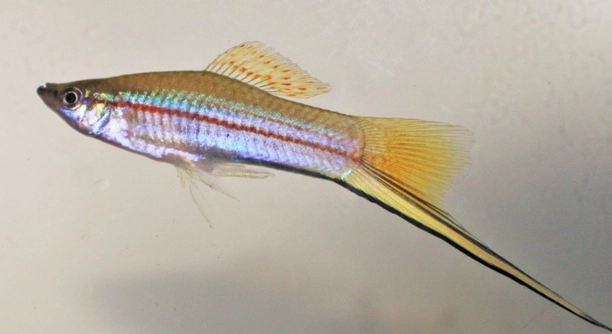
Setting up a tank for swordtails is an exciting task, but it’s easy to make a few common mistakes. These errors can affect the health of your fish and the overall tank environment. Knowing what to avoid can make all the difference.
Common swordtail tank setup mistakes typically involve improper water conditions, inadequate filtration, and overcrowding. These errors can lead to stress and disease, impacting the well-being of your fish. Addressing these issues will help maintain a healthy and thriving tank.
Understanding these common mistakes will help you create a better environment for your swordtails and prevent unnecessary issues in the future. Keep reading to find out more!
Incorrect Water Conditions
Water quality plays a crucial role in swordtail tank setups. Improper pH, temperature, and hardness can lead to stress, illness, and even death. Swordtails thrive in slightly alkaline water with temperatures ranging from 72°F to 82°F. Testing your water regularly ensures that the conditions remain stable and within the ideal range for your fish. If you don’t monitor the water parameters, your swordtails may struggle to adapt, leading to a decline in health over time. Additionally, changes in water chemistry can stress your fish and make them more vulnerable to diseases.
To maintain healthy water conditions, use a reliable water testing kit. Make sure to adjust the temperature and pH levels as needed. Regular water changes are also essential to keep the environment clean and stable for your swordtails.
The right water quality is a foundation for a thriving tank. Maintaining proper water conditions ensures the long-term health of your fish and the overall balance of the tank ecosystem.
Inadequate Filtration
Proper filtration is essential for keeping the tank clean and ensuring your swordtails stay healthy. A good filtration system removes excess waste, uneaten food, and toxins from the water. Without a proper filter, water quality can deteriorate quickly, leading to health issues for your fish. An overworked filter can also create strong currents that may stress your swordtails, so be sure to choose a filter that suits your tank size and fish species.
Swordtails prefer a gentle water flow, so selecting a filter with adjustable settings can help you avoid creating turbulent conditions. Regularly cleaning the filter will prevent clogs and ensure it works efficiently.
A properly filtered tank helps maintain clear water and reduces the risk of disease. Inadequate filtration can lead to poor water quality, affecting the well-being of your swordtails.
Overcrowding
Overcrowding is a common mistake in swordtail tanks. Too many fish in a small space can lead to stress, fighting, and poor water quality. Swordtails are active swimmers, so they need enough space to thrive. Aim for at least 10 gallons of water per swordtail to ensure they have room to swim and live comfortably.
When overcrowded, swordtails often display signs of aggression. Males, especially, might fight over territory. Moreover, too many fish produce more waste, which can cause water quality issues. The result is an unhealthy tank environment, making your fish more susceptible to disease.
To avoid overcrowding, monitor the number of fish in your tank. Keep track of their growth and ensure they have enough space to swim freely. This simple adjustment will help your swordtails feel secure and live healthier lives.
Wrong Tank Mates
Choosing the wrong tank mates can cause stress for your swordtails. Swordtails are peaceful but need companions that match their temperament. Aggressive fish can harm them, while overly shy tank mates might not interact well with swordtails.
When picking tank mates, consider species that are calm and similar in size. Avoid fin-nipping species like bettas or overly aggressive fish such as cichlids. Swordtails do well with other livebearers, peaceful tetras, and some catfish species. Creating a harmonious community tank will reduce stress and prevent aggression.
Choose tank mates carefully to ensure your swordtails coexist peacefully. A tank with compatible fish will allow everyone to thrive.
Improper Lighting
Swordtails need proper lighting for their well-being. Inadequate or too much light can stress them out. A standard aquarium light with a 10-12 hour cycle is ideal. Too much light can cause algae growth, while too little can lead to a lack of plant growth, affecting water quality.
Keep the lighting consistent to mimic a natural day-night cycle. Consider using a timer to avoid overexposing your swordtails to light. A well-lit tank promotes plant health, and provides your swordtails with a comfortable environment.
Balancing the light level is important for both your fish and the plants in your tank.
Poor Substrate Choices
Choosing the wrong substrate can negatively affect your swordtail tank setup. Some substrates may alter the water’s pH, which could lead to imbalances in water chemistry. Sand or smooth gravel is a safe choice for swordtails, as they don’t trap debris as easily.
Avoid substrates with sharp edges, which can injure your swordtails or stress them out. Sand or fine gravel allows waste to be removed easily while also providing a comfortable environment for your fish.
Make sure the substrate you choose supports both your fish and plant growth. This simple step can go a long way in maintaining a healthy tank environment.
Wrong Temperature Fluctuations
Maintaining a consistent temperature is key for swordtail health. They prefer water temperatures between 72°F to 82°F. Rapid fluctuations can stress your fish, leading to illness or even death. It’s important to use a reliable heater with a thermometer to regulate water temperature.
Ensure the heater is suitable for the size of your tank. Sudden temperature changes can harm not only your swordtails but also the tank’s biological filter. A stable environment is essential for their overall health.
By keeping the temperature consistent, you create a comfortable space where your swordtails can thrive.
FAQ
What is the best tank size for swordtails?
A 20-gallon tank is the minimum size for a group of swordtails. The more space you can provide, the better. Larger tanks give swordtails more room to swim, which reduces stress and promotes healthier behavior. If you plan to keep multiple swordtails, consider going for a tank size of 30 gallons or more to allow for adequate swimming space and prevent overcrowding.
How many swordtails can I keep in a 20-gallon tank?
In a 20-gallon tank, you can comfortably keep 4-5 swordtails. This allows enough space for them to swim and interact without overcrowding. If you’re keeping multiple males, it’s important to have enough females to reduce aggression. Adding a few other compatible fish can also help balance the tank.
What should I feed my swordtails?
Swordtails are omnivores, so they thrive on a diet of both plant matter and protein. You can feed them high-quality flake food, live or frozen foods such as brine shrimp, daphnia, and bloodworms, and some vegetables like blanched spinach or zucchini. Ensure you offer a varied diet for optimal health and color.
How often should I feed swordtails?
Feed your swordtails 2-3 times a day, offering only as much food as they can consume in 2-3 minutes. Overfeeding can lead to poor water quality and obesity in your fish. It’s best to monitor their eating habits and adjust the amount accordingly.
Can swordtails live with other fish?
Yes, swordtails are peaceful and can live with other non-aggressive fish. They generally do well with other livebearers like guppies or mollies, as well as calm fish like tetras or peaceful catfish. Avoid keeping them with aggressive species, such as cichlids, as these can cause stress and harm to swordtails.
Do swordtails need a lot of plants in their tank?
Swordtails appreciate plants in their tank, as they provide hiding spaces and help maintain water quality. While they don’t require dense plant cover, having some plants like Java fern or Anubias is beneficial. Plants can also aid in maintaining stable water conditions and give your swordtails a more natural environment.
What water conditions are best for swordtails?
Swordtails prefer slightly alkaline water with a pH of 7.0 to 8.0. The water temperature should be kept between 72°F to 82°F. Regular water changes are essential to maintain a healthy environment. Test the water regularly to ensure it remains within these parameters to keep your swordtails healthy.
How do I prevent swordtail diseases?
To prevent diseases in your swordtail tank, maintain proper water conditions, avoid overcrowding, and ensure a varied diet. Quarantining new fish before adding them to your main tank can also help prevent the introduction of diseases. Regular water changes and filter maintenance are crucial for reducing the risk of illness.
Why is my swordtail chasing the others?
Male swordtails often chase each other to establish dominance or compete for female attention. This behavior is normal, especially if you have more than one male in the tank. To reduce aggression, you can increase the number of females in the tank, which helps balance the male-to-female ratio and reduces competition.
Can swordtails breed in a community tank?
Yes, swordtails can breed in a community tank. They are livebearers, meaning they give birth to live young rather than laying eggs. If you have both males and females in the tank, you may see swordtail fry (babies). If you don’t want babies, consider keeping only males or adding other tank mates that won’t harm the fry.
How do I know if my swordtail is sick?
Signs of illness in swordtails include loss of appetite, faded colors, lethargy, abnormal swimming behavior, or visible sores. If you notice these signs, check the water parameters, and isolate the sick fish in a quarantine tank. It’s important to identify the illness early for effective treatment.
What temperature should the water be for swordtail breeding?
For optimal breeding conditions, swordtails prefer water temperatures around 78°F to 80°F. The warm water encourages breeding, and the fish are more likely to reproduce in these conditions. However, it’s important to maintain stable temperatures to avoid stressing the fish.
Do swordtails need a filter?
Yes, swordtails require a filter to maintain clean water. A good filter helps remove excess waste, uneaten food, and toxins from the water, which is essential for the health of your fish. However, be mindful of the water flow. Swordtails prefer a gentle current, so choose a filter with adjustable settings.
How do I care for swordtail fry?
If your swordtail gives birth to fry, you should transfer them to a separate tank to protect them from adult fish. Feed them finely crushed flake food or baby brine shrimp. Keep the water clean and ensure the fry have plenty of hiding spots. Swordtail fry grow quickly, so provide them with a proper environment to thrive.
Are swordtails hardy fish?
Yes, swordtails are relatively hardy fish. They can tolerate a range of water conditions but still require proper care. By maintaining stable water quality, proper tank mates, and a balanced diet, swordtails will thrive. They are great for beginners, but they do need attention to their environment to stay healthy.
How long do swordtails live?
Swordtails typically live for 3 to 5 years, though some may live longer with proper care. Their lifespan depends on water quality, diet, and how well they are maintained. Providing a stable environment and avoiding stressors will help ensure your swordtails live a long, healthy life.
Final Thoughts
Setting up a tank for swordtails can be a rewarding experience when done right. By paying attention to their specific needs, such as water quality, temperature, and tank size, you can create a thriving environment for them. Swordtails are hardy fish, but they still require careful attention to their tank setup to stay healthy and active. Proper care includes providing them with enough space to swim, the right lighting, and choosing suitable tank mates. Consistent monitoring of water conditions and regular maintenance will ensure that your swordtails live a long and healthy life.
While swordtails are relatively low-maintenance, they do require the right environment to flourish. A clean tank with proper filtration and regular water changes will help prevent issues like algae growth or water contamination. Keep in mind that these fish can be social and enjoy swimming in groups, so it’s a good idea to have a few of them in your tank. If you plan on breeding, remember that swordtails can reproduce quickly, so be prepared for the fry and have a plan for their care. Keep the balance in your tank to prevent overcrowding and ensure that all the fish thrive.
In conclusion, taking the time to learn about swordtail care and making the right choices for their environment will lead to a successful and enjoyable aquarium. From understanding their dietary needs to ensuring the water conditions are just right, every small effort will contribute to their well-being. Swordtails are a great addition to any tank, whether you’re a beginner or experienced aquarist. With proper setup and maintenance, your swordtails will reward you with their vibrant colors and lively behavior for years to come.

Hello,
If you enjoy the content that we create, please consider saying a "Thank You!" by leaving a tip.
Every little bit helps us continue crafting quality advice that supports the health, happiness, and well-being of pets around the world, for pets of all shapes, sizes, and species.
We really appreciate the kindness and support that you show us!