
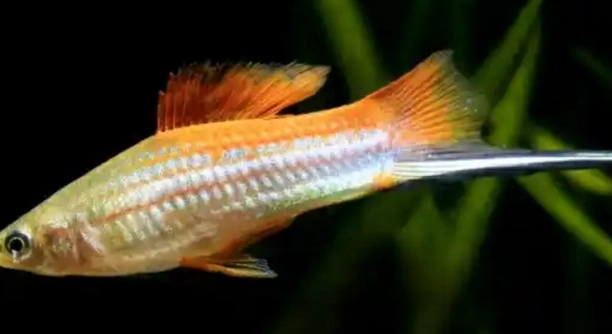
Swordtails are popular aquarium fish known for their vibrant colors and lively behavior. However, observing your swordtail hover in place can be a bit puzzling. Understanding this behavior can help improve their care and your aquarium experience.
When swordtails hover, it usually indicates stress or discomfort. Factors such as water quality, tank conditions, or health issues may be contributing to this behavior. It is important to monitor their environment to ensure they are healthy and thriving.
Exploring the causes of hovering behavior can help improve your swordtail’s well-being. Identifying any stressors in their environment will help you take action and ensure they remain happy and healthy in your tank.
Understanding Swordtail Behavior
Swordtails are often playful and active fish, but when they hover in place, it can raise concerns. Hovering is typically a sign that something is off with their environment. They may be trying to avoid stressors or dealing with an issue that makes them feel uncomfortable. Understanding why they do this can help you maintain a healthier tank.
Hovering is often linked to water quality issues. Poor water conditions can stress swordtails and lead to them hovering. If the water is too dirty, has improper pH, or fluctuates in temperature, swordtails may struggle to stay active and will hover as a way to conserve energy. The key to solving this is consistent water testing and regular changes to keep the tank clean.
In addition to water quality, other factors like overcrowding or aggressive tank mates can contribute to hovering behavior. Swordtails thrive in peaceful environments where they have enough space to swim and hide. If they feel threatened by other fish, they may retreat to a corner and hover until they feel safe again.
Tank Setup and Stress Factors
Swordtails prefer tanks that mimic their natural habitat. Their behavior can be heavily influenced by how their tank is set up.
Overcrowding can create a lot of stress for swordtails. They need space to swim freely and establish territory. If there are too many fish, swordtails may feel trapped and stressed, leading to hovering. A well-balanced tank with proper filtration and hiding spots is essential for reducing stress.
Health Issues and Hovering
Health problems like parasites or internal infections can also cause swordtails to hover. If they’re feeling unwell, their energy levels drop, and they may choose to stay in one place rather than swim. This behavior can be a sign that something isn’t right with their health.
If you notice that your swordtail is hovering along with other signs of illness—such as loss of appetite, faded colors, or abnormal swimming patterns—it’s important to act quickly. Check for parasites, lesions, or bloating. These symptoms may indicate a need for treatment. Isolating the affected fish in a quarantine tank and administering the right medication could help resolve the issue. Always maintain a clean environment to help prevent future health problems.
Feeding habits can also be impacted by health issues. Swordtails may stop eating if they’re stressed or sick, and this, in turn, can cause them to hover as they lose energy. Always monitor your fish’s eating patterns and address any changes right away to avoid further complications.
Water Temperature and Hovering
Temperature extremes can cause swordtails to hover. Swordtails are tropical fish, so they need a stable water temperature between 72-82°F (22-28°C) to feel comfortable.
If the water temperature is too low, swordtails will become lethargic and may hover. In colder water, their metabolism slows down, which reduces their activity levels. On the other hand, if the water is too hot, it can lead to stress and even oxygen deprivation, causing them to hover as they try to conserve energy. Using a reliable aquarium heater with a thermometer can help maintain the right temperature. It’s also important to check for temperature fluctuations, especially if your tank is placed in a drafty area. Regular checks can help you keep swordtails comfortable.
Tank Mates and Hovering
Aggressive tank mates can cause swordtails to hover. If other fish are constantly chasing or bullying them, swordtails may retreat and hover in a corner to avoid conflict. It’s important to choose peaceful tank mates for swordtails to ensure they feel safe.
Adding hiding spots and plants to the tank can also help swordtails feel more secure. If your swordtail is stressed from aggressive companions, consider moving them to a less crowded tank or adjusting the tank setup to create more separation between fish.
Overfeeding and Hovering
Overfeeding can contribute to hovering behavior. If your swordtails aren’t consuming the food quickly, the leftover waste can affect the water quality, causing stress. Clean up excess food after feeding to maintain a healthier tank environment.
Swordtails may also become lethargic if they’re overfed, as they aren’t able to digest large amounts of food efficiently. Avoid overfeeding by offering small, frequent meals. Monitoring their eating habits and adjusting accordingly can help keep them active and healthy.
pH Levels and Hovering
Swordtails are sensitive to changes in pH levels, which can lead to hovering. Their preferred pH range is between 7.0 and 8.0. Sudden fluctuations in pH can cause discomfort and stress, leading to unusual behavior.
To maintain stable pH levels, regularly test the water and adjust if needed. If the pH is outside their ideal range, it can lead to both short-term stress and long-term health issues. Make gradual adjustments to avoid shocking your fish.
FAQ
Why are my swordtails hovering near the surface?
Swordtails hovering near the surface can indicate a few things. One of the most common causes is low oxygen levels. If the water isn’t properly aerated, swordtails may swim closer to the surface where oxygen is more readily available. Another reason could be that the temperature of the water is too high. Warmer water holds less oxygen, so swordtails may try to find areas with better oxygen levels. Additionally, hovering at the surface can be a sign of stress due to poor water quality, high levels of ammonia, or a sudden change in tank conditions.
How do I know if my swordtail is stressed?
Swordtails display stress through several behaviors, such as hovering in one spot, hiding, or swimming erratically. They may also stop eating, or their colors may become dull. If you notice these signs, it’s a good idea to check the water quality, as poor conditions often cause stress. Make sure your swordtail has enough space, and keep an eye on tank mates to ensure there is no aggression. Stress can also be linked to environmental changes, such as sudden temperature shifts or loud noises.
Can swordtails hover without any health issues?
Yes, swordtails can hover occasionally without any immediate health problems. It may simply be a temporary response to environmental factors such as changes in light, temperature, or tankmates. However, prolonged hovering or hovering combined with other signs of illness could point to underlying health issues. Always check water conditions and the overall well-being of your fish. Keep in mind that swordtails are active fish, so frequent hovering could be a signal that something in their environment needs adjustment.
What should I do if my swordtail is hovering and not moving?
If your swordtail is hovering and not moving much, first check the water quality. Ammonia or nitrate levels that are too high, or unstable pH and temperature, can cause this behavior. Test the water and perform a water change if necessary. Also, look for signs of illness like bloating, lesions, or abnormal behavior. If the fish shows no improvement after water changes, consider isolating the swordtail in a quarantine tank to observe it more closely. Keep the environment clean and avoid overfeeding, which can worsen water quality.
Can water changes prevent hovering?
Regular water changes can help prevent hovering, especially if the cause is related to poor water quality. Swordtails are very sensitive to their environment, and dirty or chemically unstable water can cause stress. Regularly changing the water ensures that toxins like ammonia and nitrates are kept in check, promoting healthier behavior. It’s important to remove any uneaten food from the tank after feeding to prevent it from decomposing and affecting water quality. Consistent water changes will help swordtails thrive and reduce the chances of hovering.
Should I adjust the water temperature if my swordtail is hovering?
Yes, adjusting the water temperature could help if your swordtail is hovering. Swordtails are tropical fish and require a stable water temperature between 72°F and 82°F (22°C to 28°C). If the water is too warm or too cold, swordtails may become lethargic and hover. Use a reliable aquarium heater and thermometer to maintain the ideal temperature. Make sure the heater is functioning properly and monitor the tank for sudden temperature shifts. Consistent temperatures help swordtails stay active and healthy.
Can other fish be causing my swordtail to hover?
Yes, aggressive or territorial tank mates can cause your swordtail to hover. If other fish are constantly chasing, nipping, or stressing your swordtail, it may retreat and hover in a corner or near the surface to escape. Swordtails are generally peaceful, but they need space to feel safe. Overcrowding the tank or keeping incompatible species together can lead to stress and unhealthy behavior. If this is the case, consider moving the aggressive fish or adding more hiding spaces to the tank. In some cases, separating the stressed swordtail temporarily can also help.
What is the best way to prevent hovering in swordtails?
To prevent hovering, maintain a clean and stable tank environment. Regular water changes, proper filtration, and testing the water for pH, ammonia, nitrate, and temperature are essential. Swordtails need adequate space to swim and peaceful tank mates. Avoid overfeeding to prevent water quality issues. Additionally, providing hiding spots with plants or decorations can help reduce stress. A stable and calm environment will keep your swordtails healthy and active, reducing the likelihood of hovering behavior.
How long can swordtails hover before it’s a serious issue?
If your swordtail hovers for a short period, it may not be a cause for concern. However, if the behavior continues for several days, it could indicate stress, poor water conditions, or health issues. Persistent hovering, especially when combined with other signs like loss of appetite or fading colors, should be addressed quickly. The longer the hovering continues, the more likely it is that your swordtail is dealing with an issue that requires attention. It’s best to monitor their behavior and make any necessary adjustments to the tank environment or seek veterinary care if needed.
Final Thoughts
Swordtails are generally active and lively fish, but hovering behavior can sometimes be a sign that something isn’t quite right. Whether it’s water quality, temperature, or tank mates, understanding the causes of hovering is crucial for maintaining a healthy tank environment. By keeping an eye on the conditions in your aquarium, you can address problems early and help your swordtails feel more comfortable. Regular water testing and changes are key to preventing issues that could lead to hovering. A clean, well-maintained tank will go a long way in promoting the health and well-being of your fish.
In addition to water quality, it’s important to consider other factors like temperature and space. Swordtails thrive in stable conditions, so fluctuating temperatures or overcrowded tanks can cause them stress. Providing plenty of hiding spots and ensuring there’s enough space for each fish to swim freely will reduce the chances of aggression and territorial behavior. Swordtails are social creatures, but they still need to feel safe. If your swordtail is hovering, check the water parameters, make sure there’s enough space, and remove any potential sources of stress, like aggressive tank mates.
If hovering continues even after addressing environmental factors, it could be a sign of illness. Swordtails may hover to conserve energy when they’re not feeling well. Always keep an eye on their behavior and eating habits. If hovering is accompanied by other symptoms, such as loss of appetite, fading colors, or unusual swimming patterns, it’s time to take action. Isolating the affected fish in a quarantine tank and observing them closely can help in diagnosing any health problems. Timely intervention and proper care are essential for ensuring your swordtails stay happy and healthy in your aquarium.

Hello,
If you enjoy the content that we create, please consider saying a "Thank You!" by leaving a tip.
Every little bit helps us continue crafting quality advice that supports the health, happiness, and well-being of pets around the world, for pets of all shapes, sizes, and species.
We really appreciate the kindness and support that you show us!