
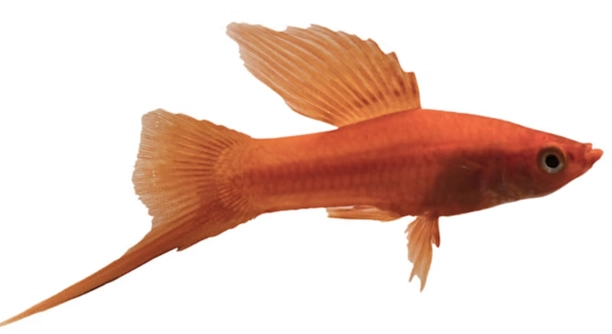
Adding variety to your swordtail’s environment is key to their enrichment. Creating a dynamic space with various elements ensures their physical and mental well-being. Providing them with new experiences enhances their happiness and engagement.
The best way to enrich your swordtail’s environment is by adding plants, caves, rocks, and varied substrates. These additions promote natural behaviors such as foraging, hiding, and exploring, all of which contribute to a healthy and stimulating habitat.
Understanding these elements will allow you to create a more vibrant environment for your swordtail, improving their quality of life.
Adding Plants for Swordtail Enrichment
Plants are an essential part of your swordtail’s habitat. They provide shelter, offer surfaces for grazing, and contribute to a more natural environment. Live plants, like Java fern or Anubias, are ideal because they thrive in aquarium conditions and help maintain water quality. When plants are present, swordtails can explore and hide, reducing stress.
Aquatic plants also help create a safe environment for swordtails to feel secure and reduce aggressive behavior. Their leaves can serve as resting spots, allowing swordtails to rest without being exposed. This makes your tank feel more balanced and natural.
To maximize the benefits, introduce a mix of floating and rooted plants. This combination gives swordtails more room to swim while still providing the security of hiding spots. It also promotes natural behaviors like grazing on algae and searching for food in plant-covered areas.
Providing Hiding Spots
Adding caves or ornaments in your tank gives swordtails a place to retreat. These spaces mimic their natural environment, offering them a chance to hide when feeling threatened. Hiding spots encourage swordtails to move around more freely and engage with their surroundings.
This helps swordtails feel secure and allows them to exhibit natural instincts. Caves, rocks, or even dense plant clusters are perfect for this purpose. By offering these safe zones, swordtails can thrive in a less stressful environment.
Varied Substrates for Enrichment
Choosing the right substrate makes a big difference in your swordtail’s habitat. Gravel, sand, or a combination of both creates a diverse environment. Sand allows swordtails to dig, while gravel provides space for plants to root.
A varied substrate encourages swordtails to exhibit natural behaviors such as foraging and exploring. It also helps keep the tank clean by preventing food from getting trapped. Choose a substrate that complements both plant and fish needs, ensuring it’s easy to maintain and safe for your swordtails to interact with.
Incorporating a mix of textures also enhances the tank’s aesthetic. A natural, uneven substrate helps prevent fish from becoming bored. Swordtails love to explore, and having different areas to swim and rest boosts their mental stimulation. Avoid substrates that could harm their fins or be too sharp. This simple change can make a big impact on their well-being.
Adding Live Food to Stimulate Activity
Live food offers a great way to stimulate swordtails’ hunting instincts. Small live foods such as brine shrimp, daphnia, or worms keep them active and engaged. These foods mimic what they might encounter in the wild, offering a more enriching experience.
Swordtails enjoy the challenge of chasing live food, and it also helps improve their coordination and reflexes. The act of hunting is an excellent form of physical exercise that promotes a healthy fish. Moreover, live food encourages swordtails to be more active, reducing the chances of stress-related issues like fin biting.
Rotating different live foods gives swordtails variety, keeping them excited and interested in their meals. By offering live food, you create an interactive environment where your swordtails stay mentally sharp. Just be cautious not to overfeed, as too much live food can affect water quality.
Adding Movement to the Tank
Introducing water movement enhances your swordtail’s environment. A gentle filter current or a small water pump simulates natural conditions, encouraging swordtails to swim actively.
Water movement keeps the tank oxygenated, which is important for your swordtail’s health. It encourages them to move around more, preventing stagnation. The gentle flow also promotes natural hunting and swimming behaviors, as swordtails swim against currents in the wild.
It’s important to adjust the strength of the water flow. Too much movement can stress your swordtails, while too little can lead to stagnant water. By maintaining a balance, you provide an active, stimulating environment.
Mirror for Mental Stimulation
Occasionally placing a mirror in front of the tank gives swordtails a chance to observe their reflection. This creates a sense of territoriality, which can spark natural behavior.
Swordtails are territorial fish, and introducing a mirror allows them to display natural behaviors like chasing and posturing. It encourages them to be more active and alert, mimicking their instincts to protect their space. However, avoid overusing the mirror, as too much reflection can cause stress.
Floating Objects for Play
Floating objects, such as small toys or plants, provide swordtails with an interactive environment. Swordtails enjoy swimming around or under these objects, which adds variety to their routine.
These items also offer hiding spots and areas to explore. By providing these floating elements, you encourage more movement and curiosity. Swordtails are naturally curious, and having objects to swim around or hide behind increases their overall engagement with the tank.
FAQ
How can I tell if my swordtail is stressed?
Swordtails show signs of stress through erratic swimming, rapid gill movement, or hiding more than usual. They may also stop eating or develop faded colors. If your swordtail’s behavior changes drastically, it’s important to check water conditions and eliminate any environmental stressors.
What kind of water temperature is ideal for swordtails?
Swordtails thrive in temperatures between 72°F and 78°F (22°C to 26°C). Keeping the water in this range helps maintain their health and activity levels. If the temperature is too low, swordtails may become sluggish; too high, and they may become stressed or prone to disease.
Do swordtails need a filter in their tank?
Yes, a filter is necessary to maintain water quality. Swordtails produce waste, and a filter helps remove toxins, excess nutrients, and debris. Choose a filter that suits the size of your tank and provides gentle filtration to avoid creating too much water movement for the fish.
How often should I change the water in a swordtail tank?
Aim for a 20-30% water change every week to maintain a clean environment. Regular water changes help keep the tank free of harmful chemicals and waste buildup. Always use a water conditioner to remove chlorine or chloramine before adding new water.
Can swordtails live with other fish?
Swordtails are peaceful and generally do well with other community fish, as long as they are not overly aggressive. Suitable tankmates include tetras, guppies, and other livebearers. Avoid aggressive fish that may nip at their fins or outcompete them for food.
What do swordtails eat?
Swordtails are omnivores and will eat a variety of foods. Their diet can include high-quality flake food, pellets, live food, and frozen food like brine shrimp, bloodworms, or daphnia. A varied diet ensures they get the necessary nutrients to stay healthy.
Can I keep just one swordtail?
It’s best to keep swordtails in groups, especially with multiple females for a male. Keeping one swordtail might cause it to feel lonely, leading to stress. A small group helps create a more natural environment, where swordtails can display social behaviors.
What size tank do swordtails need?
For a small group of swordtails, a 20-gallon tank is the minimum. If you plan on keeping multiple males, a larger tank is necessary to avoid territorial aggression. A bigger tank provides more swimming space and opportunities for enrichment.
Why are my swordtails not breeding?
Swordtails breed easily, but if they’re not reproducing, there may be environmental factors at play. Check water quality, temperature, and tank conditions. Swordtails require stable water temperatures and healthy conditions to breed. Also, ensure there are enough females to prevent stress on males.
Can swordtails live in a tank without a heater?
Swordtails need a stable water temperature for proper health. In colder climates, a heater is necessary to maintain the right temperature range. Without a heater, the water may fluctuate too much, stressing the fish and making them more vulnerable to illness.
What do I do if my swordtail is pregnant?
Pregnant swordtails should be housed in a separate tank or breeding box to prevent the fry from being eaten. Once the fry are born, provide them with plenty of hiding spots and fine food like crushed flakes or baby brine shrimp. Keep the water clean and stress-free.
Do swordtails need a lot of space to swim?
While swordtails do enjoy swimming, they do not require an excessively large tank. A 20-gallon tank provides plenty of space for them to move around. Providing areas to hide, plants to swim through, and objects to interact with will keep them engaged and active.
Why is my swordtail’s tail damaged?
Damaged tails in swordtails are often a result of aggression, either from other fish or from getting caught in decorations or tank equipment. To prevent damage, ensure tankmates are peaceful, and check for sharp edges on objects in the tank that could harm the fish.
How can I tell if my swordtail is male or female?
Male swordtails are generally smaller, with a long, extended tail fin (known as a sword). Females are larger and rounder, with a more traditional triangular fin. Male swordtails also tend to be more colorful than females.
Can swordtails live in a planted tank?
Yes, swordtails do well in planted tanks. Plants provide shelter, help maintain water quality, and encourage natural behaviors like grazing and hiding. Make sure the plants are well-established, and avoid plants with sharp edges that could harm the fish.
What should I do if my swordtail gets sick?
If your swordtail shows signs of illness, such as lethargy, discoloration, or strange swimming behavior, check the water parameters and consider isolating the sick fish in a quarantine tank. If symptoms persist, consult a veterinarian or fish expert for appropriate treatment options.
Can swordtails jump out of the tank?
Swordtails are not known to be prolific jumpers, but it’s still possible for them to escape from an uncovered tank. To prevent this, always keep your tank covered with a secure lid. This will also help maintain the tank’s temperature and prevent debris from falling in.
Are swordtails hardy fish?
Swordtails are generally considered hardy, but they still require proper care and attention. They can tolerate a range of water conditions, but poor water quality or extreme temperature fluctuations can lead to health problems. Maintaining consistent care will ensure they thrive.
How long do swordtails live?
Swordtails typically live for 3 to 5 years, though some can live longer with optimal care. Providing a stable tank environment with proper nutrition and regular water changes will help them reach their full lifespan.
Can swordtails breed with other types of fish?
Swordtails only breed with other swordtails or closely related species within the livebearer family. They cannot successfully breed with species outside of this group. However, they can be crossed with other types of livebearers, such as platies, to create hybrid offspring.
Final Thoughts
Swordtails are lively and resilient fish that can thrive in a variety of environments when provided with the right care. Creating an enriched habitat for them is key to maintaining their health and well-being. Adding plants, gentle water movement, and interactive objects can encourage natural behaviors and help keep them active. Regular maintenance, such as water changes and keeping the tank clean, is also essential to their overall health. By ensuring your swordtails have the right conditions, they will remain happy and vibrant in your aquarium.
The social nature of swordtails makes them great companions in a community tank. They generally get along with other peaceful fish, which allows for a more diverse tank. However, it is important to avoid aggressive species or overcrowding, as these factors can lead to stress or aggression within the tank. Providing enough space, along with the right tank mates, will encourage healthy interactions among the fish. A well-balanced environment can also help prevent territorial behavior, especially when multiple males are kept together.
Overall, caring for swordtails is straightforward, but they do require attention to detail. By understanding their needs, such as their water temperature preferences and diet, you can easily maintain a thriving tank. With the right enrichment and care, swordtails can live long, healthy lives and provide beauty and activity to any aquarium.

Hello,
If you enjoy the content that we create, please consider saying a "Thank You!" by leaving a tip.
Every little bit helps us continue crafting quality advice that supports the health, happiness, and well-being of pets around the world, for pets of all shapes, sizes, and species.
We really appreciate the kindness and support that you show us!