
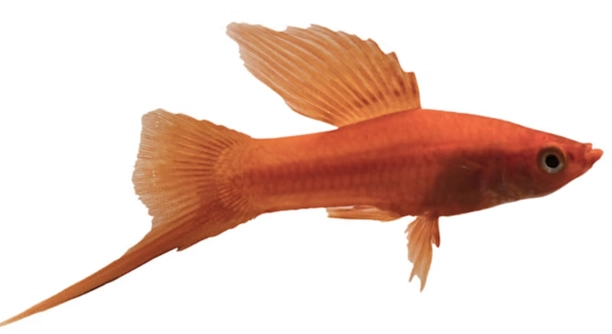
Have you ever noticed your swordtails rapidly flicking or shimmering their bodies in the tank and wondered what it means? These movements may seem odd, especially if they happen frequently or around other fish.
Swordtails flash their bodies most commonly due to external irritants such as parasites, poor water quality, or stress. Flashing is a physical reaction that involves rubbing or flicking against objects, often to relieve discomfort or irritation.
Flashing behavior can signal something minor or more serious, depending on the cause. Learning what to look for helps protect your fish.
Common Reasons Swordtails Flash Their Bodies
Flashing is a common sign that something in the tank environment is bothering your swordtail. Poor water quality is one of the most frequent triggers. High ammonia, nitrite, or fluctuating pH levels can irritate their skin and gills, causing them to rub against surfaces. Parasites such as ich or flukes can also be responsible. These organisms irritate the skin, prompting your fish to flash in an attempt to relieve the discomfort. Stress from overcrowding, sudden changes in temperature, or aggressive tank mates can make flashing worse. It’s not always easy to spot the exact reason, but observing patterns can help narrow things down. If multiple fish in the tank are flashing, it’s likely related to water or parasites. If only one or two fish are doing it, look at how they interact with others or how often they’re hiding. Knowing what to check makes a difference in how quickly you respond.
Flashing is not always serious, but it should never be ignored. Quick action can prevent further problems from developing.
Paying close attention to your swordtail’s behavior, along with regular tank checks, can help you address the issue early. Preventive care also helps reduce the chances of future irritation or stress.
What to Do If Your Swordtail Is Flashing
Start by checking water parameters using a reliable test kit. Look at ammonia, nitrite, nitrate, pH, and temperature to rule out water quality issues.
If water conditions are fine, examine your fish for visible signs of parasites like white spots or excess mucus. In some cases, you may not see anything, but the flashing still continues. This is when a quarantine tank can be helpful. Moving the affected fish to a separate tank lets you observe it more closely and limit stress. If parasites are suspected, treatments like aquarium salt or medications can help—but only use them as directed. Avoid guessing the issue and treating with multiple medications at once, as that can make things worse. Make sure to clean your filter media properly and avoid overfeeding, which can lead to further water issues. Lastly, watch your tank for signs of aggression or overcrowding, as these stressors can also lead to flashing. Keeping the environment stable is key to helping your fish recover.
Preventing Flashing in the Future
Keeping your tank clean and stable is the best way to prevent flashing. Perform regular water changes, test the water weekly, and avoid overcrowding. A stress-free environment reduces the chance of irritation or parasite outbreaks among your swordtails.
Maintain a consistent cleaning schedule and avoid overfeeding. Leftover food breaks down and affects water quality quickly. Quarantine new fish before adding them to your main tank to stop parasites from spreading. Monitor your fish for changes in behavior, even if the water seems fine. Sometimes stressors are subtle, like poor lighting or a sudden noise near the tank. Use a quality filter suited for your tank size, and make sure it’s running properly. Consider adding live plants, as they help improve water quality and create hiding spaces that make your swordtails feel secure. The fewer stress factors your fish experience, the less likely they are to start flashing again.
Fish benefit from a balanced diet and a calm environment. Choose high-quality food and vary it with flakes, pellets, and occasional frozen treats. Keep lighting on a regular schedule with a timer, and avoid tapping the glass or making loud sounds near the tank. Stability makes a big difference in long-term health.
When to Be Concerned
If your swordtail flashes constantly, even after water changes or tank adjustments, it’s time to take a closer look. Persistent flashing often points to something more serious, such as parasites or hidden stressors that need direct attention.
Look for signs like rapid breathing, clamped fins, or weight loss. These symptoms can help confirm that the flashing is more than just a temporary reaction. If multiple symptoms appear, treatment should begin right away to avoid further health problems.
How to Monitor Your Swordtail’s Behavior
Watch your swordtail daily during feeding and resting times. Take note of swimming patterns, appetite, and interaction with other fish. A healthy fish will swim smoothly, eat regularly, and show natural curiosity. If you see sudden hiding, shaking, or repeated flashing, document the behavior and start checking tank conditions immediately. Simple notes can help you track patterns and spot changes faster.
Final Thought on Flashing
Consistent care and observation go a long way. Noticing small changes early helps keep your swordtails safe and comfortable in their environment.
FAQ
Why is my swordtail rubbing against objects?
Swordtails may rub against objects to relieve irritation caused by parasites, skin infections, or poor water conditions. This behavior, known as flashing, is a sign that something is bothering them. Check for signs of parasites, like white spots or excessive mucus. If water quality is poor, perform a water change and adjust the pH, ammonia, and nitrate levels.
Can flashing be caused by stress?
Yes, flashing can occur due to stress from overcrowding, aggressive tank mates, sudden changes in temperature, or even excessive noise. Swordtails are sensitive to their environment, and stress can cause them to exhibit flashing behavior. Ensure your tank is properly sized, your fish are not overcrowded, and that water conditions are stable. Avoid placing the tank in a high-traffic area where loud noises are frequent.
What should I do if I see flashing in my swordtails?
Start by checking the water quality. Test for ammonia, nitrites, and nitrates, as poor water conditions can lead to flashing. If water parameters are within range, examine the fish for parasites or infections. If needed, treat the tank with an appropriate medication. Keep an eye on the behavior for any other signs of illness.
Is flashing always a sign of illness?
Not always. Swordtails may flash when they are simply adjusting to new conditions or due to minor irritations. However, if the flashing continues for an extended period or is accompanied by other signs of illness, it may be a signal of a more serious problem like parasites or a water quality issue.
How do I prevent flashing in the future?
Maintaining a clean and stable tank environment is key to preventing flashing. Regular water changes, proper filtration, and monitoring water quality can help avoid many common causes of flashing. Additionally, ensuring that your fish are not stressed by overcrowding or aggressive tank mates is important. Providing a varied diet and a balanced environment helps swordtails stay healthy.
Could parasites be causing the flashing?
Yes, parasites are one of the leading causes of flashing in swordtails. Common parasites like ich or flukes can irritate the skin and gills, causing fish to rub against objects in the tank. If you suspect parasites, isolate the affected fish and treat the tank with an anti-parasitic medication.
How can I tell if my swordtail has a parasite?
Look for white spots on the body, clamped fins, or excessive rubbing against objects. Parasites often cause visible symptoms like changes in skin texture, abnormal swimming behavior, or difficulty breathing. If these signs appear, a closer inspection and treatment with appropriate medication are recommended to prevent the spread of parasites.
Should I remove an affected swordtail from the tank?
If only one swordtail is showing signs of flashing, it’s a good idea to remove it from the main tank to prevent possible contamination. Quarantining the fish allows you to observe its condition more closely and treat it without affecting the other fish. Once the issue is resolved, you can reintroduce the fish to the tank.
Can flashing cause long-term damage to my swordtail?
In most cases, flashing is not harmful on its own, but prolonged or frequent flashing may cause physical damage, particularly if the fish is rubbing against hard objects. Repeated stress from flashing can also lead to weakened immune systems, making the fish more susceptible to infections. It’s important to address the underlying cause of flashing promptly to avoid long-term health problems.
What are some common causes of flashing in swordtails?
The most common causes of flashing are poor water quality, parasites, and stress. Fluctuations in water temperature or pH levels, high ammonia or nitrite levels, and overcrowded tanks can trigger flashing. Parasites like ich or flukes also frequently cause irritation, as can infections or injuries. Identifying and resolving these factors quickly helps prevent further health issues.
Can flashing be a sign of aggression among swordtails?
While flashing is usually a sign of irritation or illness, it can sometimes be caused by aggression in a tank. Swordtails may flash to assert dominance or to defend themselves against aggressive tank mates. In these cases, the flashing behavior is often accompanied by other signs of aggression, such as chasing or nipping. Make sure your swordtails have enough space and that there are no overly dominant fish in the tank.
How often should I check my swordtail’s behavior?
Regular observation is key to identifying any issues early. Check on your swordtail at least once a day, especially after feeding. Look for any unusual swimming patterns, changes in appetite, or signs of illness. Regular observation will help you detect subtle changes in behavior and address them before they become more serious problems.
Can flashing be caused by a poor diet?
Yes, an improper diet can lead to flashing in swordtails. A lack of essential nutrients can weaken the immune system and make the fish more susceptible to parasites and infections. A balanced diet, including high-quality pellets, flakes, and occasional frozen foods, is important for maintaining your swordtail’s overall health. Make sure to avoid overfeeding, as uneaten food can pollute the water and contribute to poor water quality.
What is the best treatment for flashing caused by parasites?
The best treatment for flashing caused by parasites depends on the type of parasite. For common parasites like ich, an anti-parasitic medication can be added to the water. You can also raise the tank temperature slightly, as this speeds up the parasite’s life cycle and helps the medication work more effectively. Always follow the directions on the medication and ensure the fish are kept in clean water throughout the treatment process.
Can flashing be a sign of an underlying health issue?
Flashing can be a sign of an underlying health issue, such as a bacterial or fungal infection. If flashing continues despite addressing water quality and stress, it’s important to check for other symptoms. Look for signs of swelling, lesions, or unusual swimming behavior. If you suspect a more serious health issue, it may be time to consult a vet or aquatic specialist.
How can I make my swordtail more comfortable?
Creating a stress-free environment will help make your swordtail more comfortable. Ensure the tank has plenty of space, hiding spots, and plants. Avoid sudden changes in water temperature or pH, and keep the water clean by performing regular water changes. Also, consider adding more swordtails if they are social fish and thrive in groups.
Final Thoughts
Swordtails are generally hardy fish, but like all aquarium pets, they require a well-maintained environment to thrive. Flashing can be an early sign that something isn’t right in their surroundings. Whether caused by poor water quality, stress, or a potential health issue like parasites, addressing these concerns promptly can prevent more serious problems down the line. Observing your swordtails closely and making adjustments to their tank conditions is key to keeping them healthy and happy.
When it comes to managing flashing behavior, regular water changes and monitoring water quality are essential. Swordtails are sensitive to fluctuations in water parameters, especially ammonia, nitrites, and nitrates. Keeping the water clean and stable helps minimize stress, which can trigger flashing. If you notice your swordtail exhibiting this behavior, check the water quality first, as it’s often the most common cause. After that, assess the health of your fish and look for any signs of parasites or other infections. If needed, treatment with the appropriate medication can help.
Ultimately, a proactive approach to tank maintenance and fish care is the best way to prevent flashing and other health issues. By keeping the tank clean, providing a proper diet, and monitoring your fish for any changes in behavior, you can catch problems early and ensure that your swordtails live long, healthy lives. Keeping the environment stable and stress-free also ensures that your swordtails can fully enjoy their space, swim naturally, and engage in the behaviors that make them so unique and enjoyable to watch.

Hello,
If you enjoy the content that we create, please consider saying a "Thank You!" by leaving a tip.
Every little bit helps us continue crafting quality advice that supports the health, happiness, and well-being of pets around the world, for pets of all shapes, sizes, and species.
We really appreciate the kindness and support that you show us!