
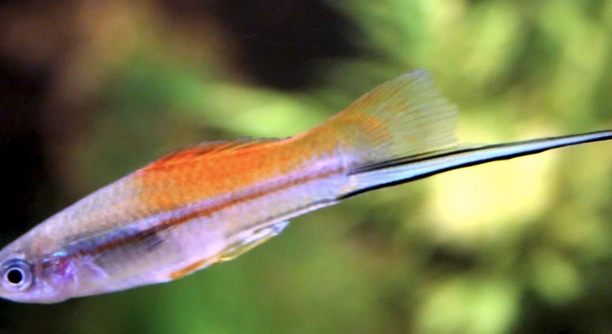
Do you have a backyard pond and wonder if your colorful swordtails can thrive outside in a natural setting? You’re not alone in exploring this option for your tropical fish.
Swordtails can live in outdoor ponds if the climate remains warm year-round or if proper heating and pond care are provided. They require clean water, stable temperatures, and protection from predators to remain healthy and active outdoors.
Knowing how to set up a safe outdoor environment will help your swordtails flourish through the changing seasons.
What Swordtails Need to Survive Outdoors
Swordtails can be kept in outdoor ponds successfully, but their needs must be carefully met. These tropical fish are sensitive to cold, so the water temperature should remain between 72°F and 82°F. If temperatures drop too low, their immune systems weaken, leading to illness or death. Choose a sunny spot for your pond to keep the water warm, and consider adding a pond heater or moving the fish indoors during colder months. A filter system is also essential to maintain clean water and support healthy oxygen levels. Add aquatic plants to provide shade, natural filtration, and hiding spots. This helps reduce stress and offers a more natural environment. You’ll also want to install a mesh cover or barriers to keep out predators like birds or raccoons. Monitoring water quality regularly ensures ammonia and nitrate levels remain safe. With proper care, swordtails can live happily outdoors.
Avoid sudden temperature swings or overcrowding the pond.
Feeding should be consistent. Use high-quality flakes or pellets, and remove uneaten food to prevent water issues.
Choosing the Right Pond Setup
A smaller pond may not provide enough stable conditions for swordtails, especially during hot or cold weather.
A well-designed pond for swordtails should hold at least 100 gallons of water to maintain temperature and water quality more easily. Deeper ponds help buffer against temperature fluctuations, especially overnight. Add floating plants like water lettuce or duckweed to offer shade and reduce algae growth. Include submerged plants for hiding spaces and breeding areas. A gentle waterfall or fountain can provide additional oxygenation, though strong currents should be avoided. Place a thermometer in the pond to monitor water temperature regularly, and keep the pH between 7.0 and 8.3. Swordtails are active swimmers, so leave enough open space for movement. Avoid mixing them with aggressive fish, as swordtails are peaceful and may become stressed in the wrong company. Consider using a netted cover to block leaves and keep out pests. With attention to these details, your outdoor pond can become a safe home for swordtails.
Common Outdoor Risks for Swordtails
Outdoor ponds expose swordtails to potential risks like predators, water contamination, and unstable temperatures. Without proper setup and monitoring, these factors can harm their health or lead to sudden losses. Staying ahead of these issues is key to keeping your fish safe.
Predators are one of the biggest concerns in outdoor ponds. Birds, raccoons, frogs, and even neighborhood cats can see your swordtails as an easy meal. Installing netting or a screen cover helps prevent attacks while still allowing sunlight and airflow. Choose pond plants with broad leaves or dense coverage so swordtails have places to hide when they sense movement above. Water quality also requires close attention. Rain, runoff, or falling leaves can quickly change pH and introduce bacteria. Cleaning the pond regularly, using a filter, and testing the water weekly helps avoid these changes. Reliable equipment and daily checks make outdoor living much safer for swordtails.
Sudden drops in temperature can be dangerous for swordtails. Even if the day is warm, nighttime lows may cause stress or illness. Installing a pond heater or using a deeper pond can reduce these risks. Avoid placing your pond in a windy area, as wind cools water quickly. Windbreaks or sheltered locations can help. Swordtails do best when temperatures stay steady. If your region experiences frequent cold snaps, be prepared to move the fish indoors during those times. Covering the pond with greenhouse panels or insulating covers is another way to hold in heat. Consistent warmth and safe conditions are necessary to help swordtails thrive.
Breeding Swordtails in Outdoor Ponds
Outdoor ponds offer natural space for swordtails to breed, especially during warm months. With plants for hiding fry and proper feeding, many hobbyists see successful reproduction. Avoid placing them with larger fish that may eat the young.
Swordtails breed easily in the right conditions. Females give birth to live young every four to six weeks. In an outdoor pond, dense plants like hornwort or anacharis give the fry places to hide. If you want to increase survival rates, avoid mixing in aggressive or predatory fish. It also helps to limit the number of adult males to prevent stress and injury to the females. Feeding the pond fish consistently with small, high-protein foods will support healthy growth for both adults and fry. A clean pond encourages better breeding and less disease. If you notice overcrowding, consider separating some fish or giving fry their own space until they are large enough.
Seasonal Care and Adjustments
As temperatures cool in fall, start reducing feeding and monitor water temperature closely. Swordtails become less active in cooler water and may need to be moved indoors if temperatures drop below 70°F. Use pond covers or heaters to maintain warmth.
In summer, higher temperatures can lower oxygen levels. Keep the pond shaded with floating plants and ensure proper aeration using a bubbler or small fountain. Avoid overfeeding during heatwaves to reduce waste and ammonia buildup. Always check water quality weekly for safety.
Feeding Tips for Outdoor Swordtails
Swordtails in outdoor ponds benefit from a consistent feeding schedule, ideally once or twice daily. Use floating tropical fish flakes or pellets designed for livebearers. In warmer months, they may also nibble on natural food like algae, mosquito larvae, or small insects. Avoid overfeeding to prevent water quality issues. Remove uneaten food after 10 minutes to reduce the chance of cloudy water or ammonia spikes. During colder months, feed less or stop completely if the fish become inactive. When feeding by hand, observe their behavior to spot early signs of illness or stress. Healthy swordtails will swim actively and eat readily.
Signs Your Swordtails Are Struggling
Watch for clamped fins, pale color, or sluggish swimming. These are signs your swordtails may be stressed or unwell. Regular observation helps catch problems early.
FAQ
Can swordtails survive winter in an outdoor pond?
Swordtails are tropical fish and cannot tolerate cold temperatures. If your region drops below 70°F consistently, it’s best to move them indoors for the winter. Even if you use pond heaters or covers, sudden cold snaps can be too stressful. Deeper ponds may hold heat longer, but they aren’t always reliable for maintaining safe conditions long-term. Always monitor water temperature closely. If it falls near 65°F, bring the fish inside to prevent illness or death. A small indoor tank with a heater can serve as a winter home until temperatures outside rise again.
How deep should an outdoor pond be for swordtails?
A minimum depth of 18 inches is recommended for swordtails in outdoor ponds. Deeper ponds help maintain stable temperatures, especially during hot or cool nights. Shallow ponds tend to change temperature too quickly, which stresses the fish. A depth of 24 inches offers even better insulation. Deeper water also gives the fish more space to swim and hide, which supports their natural behavior. If you live in a warm climate year-round, depth is less critical, but a deeper pond still reduces evaporation and keeps the fish more comfortable.
Do swordtails need a filter in an outdoor pond?
Yes, filtration is important. A filter helps remove waste, keeps the water clean, and supports beneficial bacteria. Even if you have plants and natural algae, it’s not enough to maintain water quality on its own. Without a filter, ammonia and nitrites can build up quickly, especially if the pond is crowded or overfed. Choose a filter that suits the pond size and clean it regularly. Combined with partial water changes and plant coverage, a good filter keeps the pond healthier and reduces the chance of disease.
Can swordtails live with other fish in a pond?
Swordtails are peaceful and can live with other small, non-aggressive fish. Ideal pond mates include platies, mollies, guppies, and small tetras. Avoid adding large or aggressive species like cichlids or koi, as they may chase or eat swordtails. Always observe new tank mates carefully. If there’s any sign of nipping or stress, remove the problem fish. When adding new species, make sure the pond is large enough to avoid overcrowding. Providing plenty of plants and hiding spots helps reduce competition and allows each fish to establish its own space.
How often should I clean my swordtail pond?
Basic maintenance should be done weekly. Check the water quality, clear debris, and clean the filter if needed. Every few weeks, remove excess algae and trim back overgrown plants. Do a partial water change, about 10–20%, every two to four weeks depending on your pond’s size and bio-load. Avoid full cleanouts unless absolutely necessary, as this can remove beneficial bacteria. Keeping a regular cleaning schedule helps prevent spikes in ammonia or pH changes. Observing the fish during cleaning also gives you a chance to catch any health issues early.
Do swordtails eat algae in ponds?
Swordtails may nibble on soft algae, but they are not strong algae eaters. They might graze occasionally, especially in the absence of food, but they won’t control algae growth on their own. To manage algae, include floating and submerged plants to block excess sunlight. Avoid overfeeding, as leftover food encourages algae. You can also add algae-eating species like snails or certain shrimp if your climate and pond conditions allow. However, for full control, manual removal and water testing remain the most effective methods.
Can I keep swordtails in a pond all year in warm climates?
If your climate stays consistently warm with no major temperature dips, swordtails can live outdoors year-round. Regions with mild winters, like parts of southern Florida or coastal California, may allow permanent outdoor setups. Still, monitor the weather for sudden changes. Cold rain or unexpected wind chill can lower water temperatures quickly. Having a backup plan, such as a temporary indoor tank, is helpful even in warmer areas. If you notice your swordtails slowing down or showing signs of stress, test the water and be ready to move them inside.
Do swordtails need plants in their pond?
Plants are helpful for swordtail ponds. They provide shade, reduce algae growth, and give the fish a place to hide. This helps reduce stress and supports breeding, especially for the fry. Floating plants like water lettuce or water hyacinth offer cover from predators and sunlight. Submerged plants like hornwort or anacharis help oxygenate the water and give the young a place to stay safe. Make sure the plants don’t block the entire surface, as swordtails still need access to light and air exchange. Balanced plant coverage improves both water quality and fish comfort.
What do swordtails eat in outdoor ponds?
Swordtails eat a mix of flakes, pellets, and natural pond food. You can feed them once or twice a day using tropical fish flakes or livebearer pellets. In outdoor ponds, they may also eat mosquito larvae, small insects, and algae. Supplement with blanched vegetables like zucchini or spinach once a week for variety. Don’t overfeed—uneaten food affects water quality. Feed what they can eat in a few minutes and remove the rest. In cooler months, reduce or stop feeding as their metabolism slows and they become less active.
Final Thoughts
Swordtails can live in outdoor ponds if the conditions are right. These fish need warm, stable temperatures, clean water, and enough space to swim freely. A pond with a filter, proper depth, and plant coverage will help meet their needs. Regular maintenance, including water checks and cleaning, is necessary to keep the environment safe. In warmer regions, swordtails may be kept outdoors year-round, but even then, sudden weather changes can affect their health. If you live in a cooler climate, you’ll need to bring them indoors during the colder months to avoid stress and illness.
Watching swordtails swim in a well-maintained pond can be enjoyable. Their bright colors stand out against the green plants and clear water. They are active, peaceful, and easy to care for when given the right environment. Adding compatible fish, proper shelter, and routine care can help them thrive. With attention to temperature, water quality, and feeding, your outdoor pond can become a healthy space for swordtails to grow, reproduce, and live peacefully. You may even see baby swordtails if your pond has enough cover for them to hide safely. This adds to the experience of keeping them outdoors.
Caring for swordtails in a pond takes time and effort, but it can be simple once you get into a regular routine. Understanding their needs is the first step to creating a healthy space for them. Whether you’re starting with a few fish or planning a larger setup, keeping things basic but consistent will support their well-being. A balanced pond offers more than just a nice look—it gives your swordtails a stable place to live. With good planning and steady care, you can keep your fish healthy and enjoy your pond season after season.

Hello,
If you enjoy the content that we create, please consider saying a "Thank You!" by leaving a tip.
Every little bit helps us continue crafting quality advice that supports the health, happiness, and well-being of pets around the world, for pets of all shapes, sizes, and species.
We really appreciate the kindness and support that you show us!