
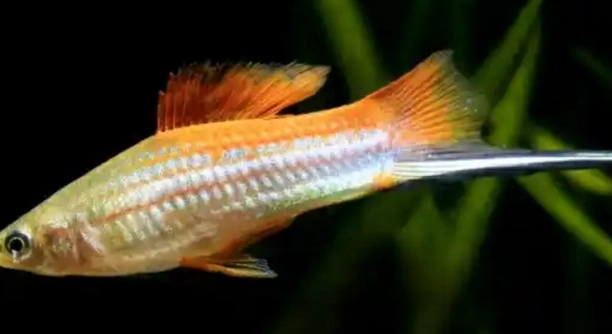
If you’re looking to improve your swordtail’s tank, adding the right decorations can enhance their happiness and health. These small touches can make your aquarium more comfortable, providing both entertainment and stimulation for your fish.
Swordtails thrive in environments where they feel safe and engaged. By incorporating plants, rocks, and other decorations, you can mimic their natural habitat, encouraging natural behaviors and reducing stress, which promotes overall well-being.
These ideas will help you create a vibrant, swordtail-friendly environment. We’ll walk you through some of the best ways to design their space while ensuring they stay active and healthy.
Live Plants for Natural Shelter
Adding live plants to your swordtail tank provides both aesthetic beauty and practical benefits. Plants create hiding spots, helping swordtails feel secure in their environment. They also promote natural behaviors like grazing on algae, which is good for their health. Swordtails are more likely to thrive in a tank with plants because it mimics their natural habitat, offering them shelter and hiding places. In addition, plants contribute to water quality by absorbing harmful substances like nitrates and offering oxygen for the fish.
Plants such as Anubias, Java Fern, and Hornwort are easy to care for and grow well in most aquariums. These plants don’t require intense lighting or extra maintenance, making them perfect for beginners. Keep in mind, though, that plants need proper care to flourish. Regular trimming and occasional fertilizing are necessary to keep them healthy.
Placing plants in strategic locations creates a more dynamic space, allowing your swordtails to interact with their surroundings. Dense plant growth offers areas for breeding, as swordtails prefer to lay eggs in a secure, leafy environment. By enhancing their tank with plants, you provide your fish with an improved quality of life.
Floating Decorations
Floating decorations are an excellent way to add some flair to your swordtail’s tank. These decorations create extra hiding spaces while allowing the fish to swim freely.
Floating plants like Water Lettuce or Duckweed also help keep the water’s surface from becoming too exposed, creating an environment swordtails will enjoy. These plants can be moved around easily, and they offer extra surface area for oxygen exchange, benefiting both the fish and the water quality.
Floating decorations not only improve the tank’s visual appeal but also add a sense of movement. Swordtails enjoy swimming through floating plants, as it mimics the motion they’d experience in a more natural setting. Be sure to monitor the growth of floating plants, as they can sometimes cover the surface too much and reduce the light reaching the rest of the tank.
Rocks and Caves for Hiding Spots
Rocks and caves make great additions to a swordtail tank. They provide places for the fish to hide, rest, or explore, helping them feel more secure. Swordtails are naturally curious and love to investigate these structures. The extra spaces encourage natural behavior, which can reduce stress.
When choosing rocks or caves, look for smooth edges to avoid harming the fish. You can use natural rocks or decorative aquarium-safe caves. Be sure to secure larger rocks to prevent them from shifting. If you have multiple swordtails, ensure there are enough hiding spots to minimize any territorial disputes.
Adding caves can also promote breeding. Female swordtails feel more comfortable laying eggs in secluded spaces. Consider placing these structures in corners or near plants for additional privacy. Caves provide a sense of security and reduce stress during important times, like breeding season.
Colorful Decorations for Visual Stimulation
Colorful decorations can make your swordtail tank more exciting. Bright items can attract attention and keep the fish active. Swordtails are attracted to colorful objects, which can stimulate their senses and encourage swimming.
Choose decorations that match the colors of your fish. Bright orange or red plants or ornaments can create a balanced look. You could also use neon or pastel-colored pieces to add vibrancy. Just make sure that the colors don’t overwhelm the fish or cause them unnecessary stress.
While decorative items should be visually appealing, they also need to be safe. Avoid anything with sharp edges or toxic materials. Opt for decorations made from aquarium-safe plastics, ceramics, or stones. This ensures your swordtails have a beautiful yet safe environment to thrive in.
Substrate Choices for Swordtail Tanks
The substrate you choose for your swordtail tank affects both the look and the health of the tank. Swordtails prefer a soft, smooth surface, and sandy substrates are often ideal. Fine gravel or sand helps with plant root growth and keeps the water clean.
Make sure the substrate is easy to clean, as dirt and waste can get trapped, affecting water quality. Using a vacuum during regular maintenance can help keep the tank in top condition. You can also add nutrient-rich soil for plants, which helps them grow and thrive.
Driftwood for Natural Appeal
Driftwood offers a more natural look and provides additional hiding spaces. Swordtails enjoy exploring around and under pieces of driftwood, which adds texture and interest to the tank. It also helps maintain water quality by releasing tannins that can lower the pH slightly.
Be cautious of adding too much driftwood, as it can cause the water to become more acidic over time. Regular water testing is important to ensure that the tank remains balanced for your swordtails. If the pH becomes too low, consider removing some driftwood to maintain the ideal conditions.
FAQ
What plants do swordtails like in their tank?
Swordtails enjoy plants that mimic their natural habitat. Hardy plants like Anubias, Java Fern, and Hornwort work well. These plants grow quickly, provide shelter, and don’t require a lot of light. They help swordtails feel safe and give them places to hide or graze. Some floating plants, like Water Lettuce, are also beneficial as they help maintain water quality and offer more cover for the fish. It’s important to ensure that plants are well-maintained, as unhealthy plants can harm the water quality and stress the fish.
How do I decorate a swordtail tank?
Decorating a swordtail tank requires balance between aesthetics and practicality. Use plants, rocks, caves, and decorations that offer hiding spaces and mimic the natural environment. Swordtails appreciate a variety of textures to explore, but the decorations should be smooth and free from sharp edges. Arrange the plants and structures in ways that create a sense of space without overcrowding the tank. The decorations should also help in maintaining water quality. Regular cleaning of both the tank and the decorations is necessary to prevent any buildup of waste or algae.
How often should I clean my swordtail tank?
Cleaning your swordtail tank is essential for maintaining a healthy environment. A good rule of thumb is to clean the tank once every two weeks. During this time, remove any debris, vacuum the substrate, and clean the filter. It’s also essential to do partial water changes (about 25-30%) to maintain water quality. Regular cleaning of decorations, plants, and any equipment like heaters or lights is also important to prevent algae growth. Keep an eye on the water parameters, as regular checks can help detect any issues before they become serious problems.
Are swordtails okay with other fish?
Swordtails are peaceful, social fish that can generally get along with other non-aggressive species. They’re a great addition to community tanks with similar-sized fish. Avoid placing them with overly aggressive or territorial species, as they may stress out the swordtails. Fish like neon tetras, guppies, or platies make good companions for swordtails. However, be mindful of tank size and ensure there is enough space for all the fish to thrive. If the tank is overcrowded, it can lead to stress and territorial disputes, affecting the well-being of your swordtails.
What’s the best water temperature for swordtails?
Swordtails thrive in temperatures between 72°F and 82°F (22°C – 28°C). Keeping the water in this range will help your swordtails stay active, healthy, and stress-free. Water that is too cold or too hot can cause discomfort, which may lead to illness or death. Use a reliable aquarium heater to maintain a stable temperature and prevent sudden fluctuations. Be sure to monitor the water temperature regularly, as drastic changes can be harmful to your swordtails and other tank inhabitants.
Do swordtails need a filter?
Yes, swordtails benefit greatly from a good filtration system. A filter helps keep the water clean by removing excess waste, uneaten food, and other contaminants. Swordtails produce a moderate amount of waste, so a filter ensures the water remains oxygenated and clear. Choose a filter that is appropriate for the size of your tank, ensuring it doesn’t create too strong of a current, which can stress your fish. Regular cleaning and maintenance of the filter will help keep your swordtail tank in top condition.
How do I breed swordtails in a tank?
Breeding swordtails is relatively easy, as they are livebearers. To breed swordtails, you need both males and females in the same tank. The males will display their colorful tails to attract the females. Once the female is pregnant, she will give birth to live fry. Provide plenty of plants and hiding spots for the fry to ensure they are safe from other fish. You may also consider using a breeding box to separate the female from other fish while she’s pregnant. The fry are small, so they require fine food like baby brine shrimp until they grow large enough to eat regular fish food.
What should I feed my swordtails?
Swordtails are omnivorous and enjoy a varied diet. They thrive on high-quality fish flakes, pellets, and live or frozen foods such as brine shrimp, bloodworms, and daphnia. It’s important to offer a balanced diet to ensure they get all the necessary nutrients. Provide small portions of food two to three times a day, but be careful not to overfeed, as excess food can pollute the water. Including vegetables like blanched spinach or zucchini is also a good way to add variety to their diet.
Can swordtails live with snails?
Yes, swordtails can live with snails in most cases. Snails help keep the tank clean by eating algae, leftover food, and other debris. They don’t pose a threat to the swordtails, and the swordtails generally don’t bother them. However, some species of snails, such as larger ones, might nibble on live plants or cause other issues. Make sure to choose smaller, peaceful snails like Nerite or Malaysian Trumpet snails to avoid potential problems. Monitor their interactions to ensure that everyone in the tank coexists peacefully.
Why is my swordtail acting stressed?
Stress in swordtails can stem from several factors, including poor water quality, overcrowding, or aggressive tankmates. Ensure the tank is not overstocked and that there are plenty of hiding spots and plants to create a sense of security. Check the water parameters, including temperature, pH, ammonia, nitrite, and nitrate levels. If they are off, it could be the cause of the stress. Additionally, ensure that the swordtails have enough food and are not being harassed by other fish. Stress can weaken the immune system, making swordtails more prone to diseases.
Do swordtails need a light in their tank?
Yes, swordtails need light in their tank, but the intensity and duration should be balanced. A consistent day-night cycle of about 10-12 hours of light is ideal for swordtails. Too much light can cause algae to grow, while too little light may stress the fish. Use an aquarium light that provides a soft glow, and ensure it’s set on a timer to simulate a natural day-night cycle. Additionally, proper lighting supports the growth of plants, which benefits both the swordtails and the overall health of the tank.
Final Thoughts
Creating the right environment for your swordtails is crucial for their health and happiness. By focusing on the right tank decorations, plants, and hiding spots, you can mimic their natural habitat. This helps reduce stress and encourages natural behaviors. A well-decorated tank with live plants, rocks, and caves provides plenty of opportunities for your swordtails to explore, rest, and feel secure. The right setup also promotes breeding and overall well-being. Be sure to keep the water clean, check the temperature, and maintain a healthy balance for your fish to thrive.
While adding decor and plants is important, water quality is just as crucial. Swordtails are sensitive to changes in water conditions, so regular water changes and filtration are necessary to keep them healthy. Keeping an eye on the tank’s pH, temperature, and ammonia levels will help prevent issues like stress or disease. Swordtails are hardy fish, but they do best in stable, well-maintained environments. The more care you put into maintaining these conditions, the better your swordtails will feel in their tank.
Lastly, feeding your swordtails a balanced diet is key to their health. Offering a mix of flakes, pellets, and live or frozen food helps them get the right nutrients. Avoid overfeeding, as this can lead to water quality problems. Swordtails are active fish that benefit from a variety of foods, so offering different options keeps them engaged and healthy. By paying attention to their environment, diet, and care, your swordtails will enjoy a long, happy life in their tank.

Hello,
If you enjoy the content that we create, please consider saying a "Thank You!" by leaving a tip.
Every little bit helps us continue crafting quality advice that supports the health, happiness, and well-being of pets around the world, for pets of all shapes, sizes, and species.
We really appreciate the kindness and support that you show us!