
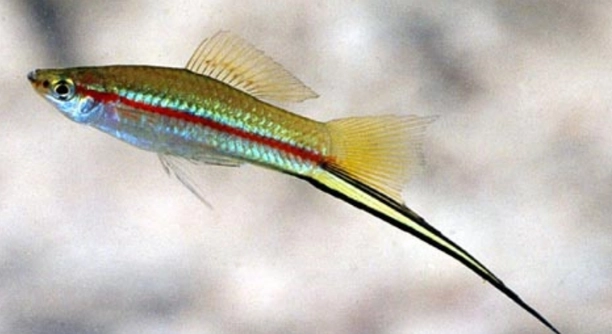
Choosing the right filter for your swordtail aquarium is crucial for keeping your fish healthy. A proper filter ensures clean water, reduces toxins, and maintains a balanced environment for your aquatic pets. This article will guide you through the options.
The best filter for swordtails is a reliable, efficient one that provides both mechanical and biological filtration. A filter with moderate flow rate is ideal, as swordtails thrive in clean, well-oxygenated water without strong currents.
Finding the perfect filter for your swordtails can make all the difference. Understanding the types of filters and how they affect water quality will help you create a thriving environment for your fish.
Types of Filters for Swordtails
When choosing a filter for swordtails, there are several types to consider. The most common are sponge filters, hang-on-back (HOB) filters, and canister filters. Sponge filters are gentle and great for small tanks, providing biological filtration without disturbing the water too much. Hang-on-back filters are suitable for medium-sized tanks and offer both mechanical and biological filtration. They also help with water movement, which swordtails prefer. Canister filters are the most powerful option, ideal for larger tanks with many fish, as they offer excellent filtration and can handle more waste. Each filter type has its benefits depending on your tank’s size and the needs of your swordtails.
While sponge filters are a good option for beginners, they may not be strong enough for larger setups. HOB filters strike a balance between efficiency and convenience, making them popular for most aquarium setups. Canister filters, though more complex to set up, provide superior filtration for busy aquariums.
Choosing the right filter requires assessing your tank’s size, the number of swordtails, and their behavior. Swordtails prefer moderate water flow, so it’s important to avoid filters with excessive currents. Water quality is key to their health, as they are susceptible to stress and diseases in poor water conditions. A filter that provides both mechanical and biological filtration will ensure your swordtails thrive and stay healthy for years to come.
Filter Size and Capacity
Filter size is crucial for maintaining water quality. An undersized filter will struggle to keep the water clean, leading to poor tank conditions. Always choose a filter that matches or exceeds your tank’s capacity to maintain a healthy environment.
When selecting a filter, pay attention to its flow rate and how it suits your swordtails’ needs. A filter that’s too strong might create too much current, which could stress the fish. Moderately rated filters are ideal, as they keep the water clean without overwhelming your swordtails.
Filtration Media
The type of filtration media you use plays a major role in maintaining water quality. Common options include sponge, ceramic rings, and bio-balls. These materials help with biological filtration by providing surfaces for beneficial bacteria to grow, which break down harmful substances like ammonia and nitrites.
Ceramic rings are particularly useful in canister filters because they have a large surface area. Bio-balls, also popular in canisters, help maintain a healthy biological filter and prevent the build-up of waste. Sponge filters, which are often used in smaller setups, help create gentle filtration while offering biological benefits. Choose your media based on your filter type and tank needs.
Mechanical filtration is also important for removing physical debris from the water. Using a combination of mechanical and biological media helps keep your tank clean and healthy. Regular maintenance of the filtration media is essential, as it can become clogged over time, reducing efficiency. Rinse media with tank water, not tap water, to preserve beneficial bacteria.
Water Flow and Current
Swordtails thrive in tanks with moderate water flow, which helps keep the water oxygenated without causing stress. A filter that provides gentle circulation is ideal, as too much current can exhaust the fish. It’s important to find a balance to keep your swordtails active but not overwhelmed.
In a tank with a strong current, swordtails may become stressed or even injured. Adjusting the flow on certain filters can help regulate the water movement. You may also want to position the filter intake away from where the swordtails prefer to swim. Additional equipment like flow control valves or diffuser nozzles can further help in creating a peaceful environment.
Filter Maintenance
Regular maintenance is essential to keep your filter working properly. Over time, filters can become clogged with debris, which reduces their efficiency. Clean the filter media every couple of weeks to avoid build-up. Make sure to turn off the filter and remove any debris or waste.
Proper filter cleaning also includes checking the pump and impeller. If these parts become clogged, the filter may stop working altogether. Always follow the manufacturer’s instructions for cleaning to prevent damage to the filter components. Keeping your filter clean will ensure it continues to provide the proper filtration for your swordtails.
Choosing the Right Filter for Your Tank Size
Choosing the right filter for your tank size is crucial. For smaller tanks, sponge filters or hang-on-back filters work well. For larger tanks with many fish, a canister filter is more efficient. Always ensure the filter can handle the water volume in your tank.
A filter that’s too small will struggle to keep up with the waste and may not provide adequate filtration. On the other hand, a filter that’s too large might create excess current, which can stress your swordtails. It’s best to select a filter that is rated for a slightly larger tank than yours to be on the safe side.
Power Consumption
It’s important to consider the power consumption of the filter. While you want the best filtration for your swordtails, you also want to keep electricity costs manageable. Canister filters tend to consume more power than sponge or HOB filters.
If you’re looking to minimize energy costs, sponge filters are a more energy-efficient option, but they are better suited for smaller tanks. Evaluate your tank size and the type of filter that suits your needs best.
FAQ
What size filter do I need for a swordtail tank?
For a swordtail tank, choose a filter that can handle the water volume of your tank. Generally, the filter should be rated for a tank size larger than yours to ensure efficient filtration. For example, if you have a 20-gallon tank, a filter rated for 30 gallons is ideal. This provides more than enough filtration power to maintain clean water and a stable environment. It’s essential to avoid undersized filters, as they will struggle to keep up with waste build-up.
Can I use a sponge filter for swordtails?
Yes, sponge filters are a good choice for swordtail tanks, especially for smaller setups. They provide gentle filtration and are less likely to create too much water movement, which swordtails prefer. Sponge filters work well for biological filtration, as the sponge offers a surface for beneficial bacteria to grow. However, if you have a larger tank or many fish, a sponge filter alone may not provide enough filtration, and you might need to consider adding another type of filter.
How often should I clean my filter for swordtails?
It’s essential to clean your filter regularly to keep it working effectively. For most filters, cleaning should be done every two to four weeks, but this can depend on the size of the tank and the number of fish. If you notice a drop in water flow or see debris building up, it’s time to clean the filter. Be sure to rinse the filter media in tank water, not tap water, to preserve the beneficial bacteria that help maintain the biological balance of your tank.
What type of filter is best for a 20-gallon swordtail tank?
For a 20-gallon swordtail tank, a hang-on-back (HOB) filter is usually a good option. It provides both mechanical and biological filtration and is easy to maintain. You can also use a sponge filter if you prefer a quieter and gentler option. However, for more extensive filtration or if you have a larger tank in the future, a canister filter might be better. It’s more powerful and can handle larger amounts of waste, but it is more complex to set up and maintain.
Can a filter be too powerful for swordtails?
Yes, a filter can be too powerful for swordtails, especially if it causes strong currents in the tank. Swordtails prefer a moderate flow of water. A filter that’s too powerful can stress them out, and in extreme cases, the current may even push them around the tank, which can be harmful. If you have a strong filter, consider using a flow control valve or positioning the filter intake away from where your swordtails prefer to swim.
How do I control water flow in my tank?
To control water flow, you can adjust the settings on your filter, if possible. Many HOB and canister filters allow you to regulate the flow rate. You can also use deflector nozzles or spray bars to spread the water flow more evenly, preventing concentrated currents. If you’re using a sponge filter, consider adding an air valve to adjust the bubble rate and reduce water movement. Proper water flow is essential for swordtails to feel comfortable and thrive.
What is the difference between mechanical and biological filtration?
Mechanical filtration refers to the process of removing debris, dirt, and particles from the water. It’s typically done through filter pads or sponges that physically trap these particles. Biological filtration, on the other hand, involves beneficial bacteria that break down harmful substances like ammonia and nitrites. Both types of filtration are necessary for maintaining a healthy tank environment. Mechanical filtration keeps the water clean from debris, while biological filtration ensures the water remains safe for your swordtails.
Can I use a filter with carbon for swordtails?
Using a filter with carbon can be beneficial for swordtails, but it depends on your tank’s needs. Activated carbon helps remove impurities, odors, and discoloration from the water, which can be especially useful after a medication treatment or if your tank water becomes cloudy. However, carbon filters need to be replaced every few weeks, as they lose their effectiveness. If you’re just maintaining general water quality, carbon may not be necessary unless you need to address specific water conditions.
How do I know if my swordtail tank needs a new filter?
You’ll know it’s time for a new filter if your current one is no longer providing adequate filtration. Signs include a noticeable decrease in water clarity, strong odors, or increased levels of ammonia or nitrites. If cleaning the filter doesn’t restore its performance, it might be time to replace it. Filters also wear out over time, so if yours is several years old and showing signs of wear, consider upgrading it to maintain a healthy environment for your swordtails.
What should I do if my filter is too noisy?
If your filter is making too much noise, first check for any obstructions or debris that might be causing it. Clean the filter thoroughly and ensure the impeller and pump are working smoothly. If the noise persists, check if the filter is properly seated or if any parts are loose. For canister filters, check the hoses and seals. If the noise continues despite cleaning and maintenance, it might be time for a replacement or a quieter model.
Is it necessary to use a filter for a swordtail tank?
While it’s possible to keep swordtails without a filter, it’s not recommended. Filters help maintain water quality by removing waste and debris, and they provide biological filtration to keep toxins like ammonia and nitrites in check. Without a filter, you would need to perform frequent water changes and monitor water parameters closely, which can be time-consuming and difficult to manage. A filter simplifies maintaining a healthy tank and ensures a better environment for your swordtails.
Final Thoughts
Choosing the right filter for your swordtail tank is essential for maintaining a healthy and thriving environment for your fish. Swordtails, like all fish, need clean, well-oxygenated water to stay healthy. The filter you select will play a major role in keeping the water clean, balanced, and safe. Whether you opt for a sponge filter, hang-on-back filter, or canister filter, each type has its benefits depending on the size of your tank and the needs of your fish. It’s important to consider both the filtration capabilities and the water flow when making your decision, as swordtails prefer a moderate current.
Regular maintenance is key to keeping your filter in good working order. Filters need to be cleaned and checked periodically to ensure they continue to operate effectively. This includes rinsing the filter media and ensuring there are no clogs in the system. Neglecting to maintain your filter can lead to a decrease in water quality, which could negatively impact your swordtails. Make it a habit to monitor the water conditions in your tank and clean the filter as needed to keep the water clear and safe. You’ll also want to replace any worn-out filter media or components, as they can lose their effectiveness over time.
Finally, the right filter can make a big difference in the overall well-being of your swordtails. A filter that is too weak won’t provide enough filtration, while one that’s too powerful can create stressful currents. Finding the balance is important. By choosing a filter that fits the size of your tank, your swordtail’s needs, and your maintenance routine, you will be able to create a healthy, comfortable environment. Healthy swordtails are happy swordtails, and keeping their water clean and properly filtered is one of the most important steps in providing a safe space for them to thrive.

Hello,
If you enjoy the content that we create, please consider saying a "Thank You!" by leaving a tip.
Every little bit helps us continue crafting quality advice that supports the health, happiness, and well-being of pets around the world, for pets of all shapes, sizes, and species.
We really appreciate the kindness and support that you show us!